Low GI Foods and Blood Glucose: Why the Type of Carbohydrate Matters More Than You Think
Oct 8, 2026

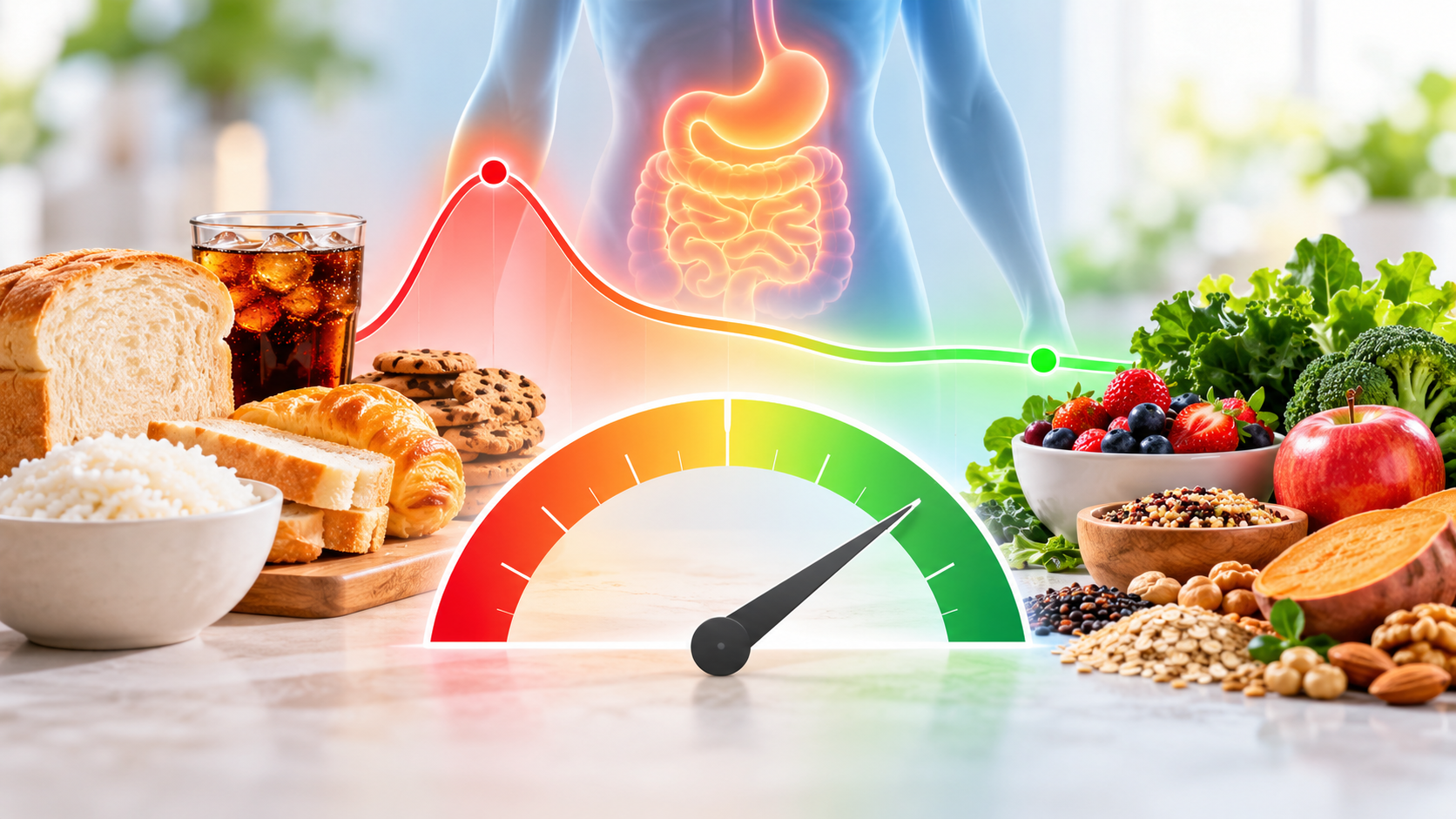
Most people know they should watch their sugar intake. But when it comes to blood glucose levels, there is another important question worth asking: If two foods contain a similar amount of carbohydrate, why can they affect blood glucose so differently?

The answer lies in how quickly those carbohydrates are digested and absorbed. This is where the glycemic index (GI) becomes an important part of the conversation. Today, consumers are looking beyond “less sugar” and are becoming more interested in concepts such as low GI foods, blood sugar management, and steady energy release. At the same time, food manufacturers are exploring new ways to develop products that support these needs without compromising taste, texture, or consumer enjoyment. Understanding GI is therefore useful not only for consumers making everyday food choices, but also for manufacturers developing the next generation of better-for-you foods and beverages.

What is Glycemic Index?

The glycemic index (GI) is a standardized method that ranks carbohydrate-containing foods according to their effect on blood glucose levels after consumption. Specifically, it is a ranking system (ranging from 0-100) that compares how quickly 50 g of available carbohydrate from a food raises blood glucose relative to glucose or white bread [1,5].
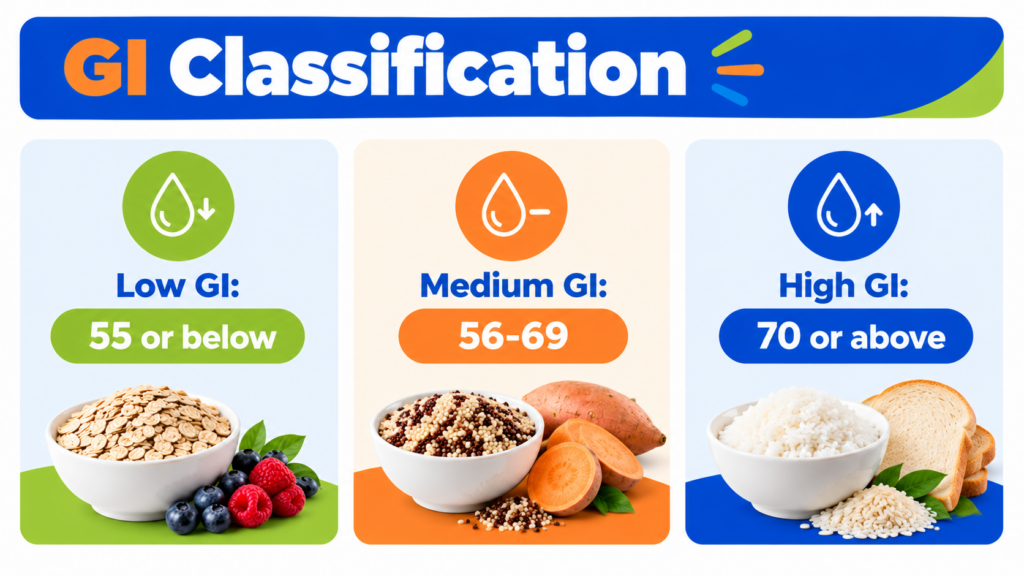
GI Classification

Why does GI Matter?

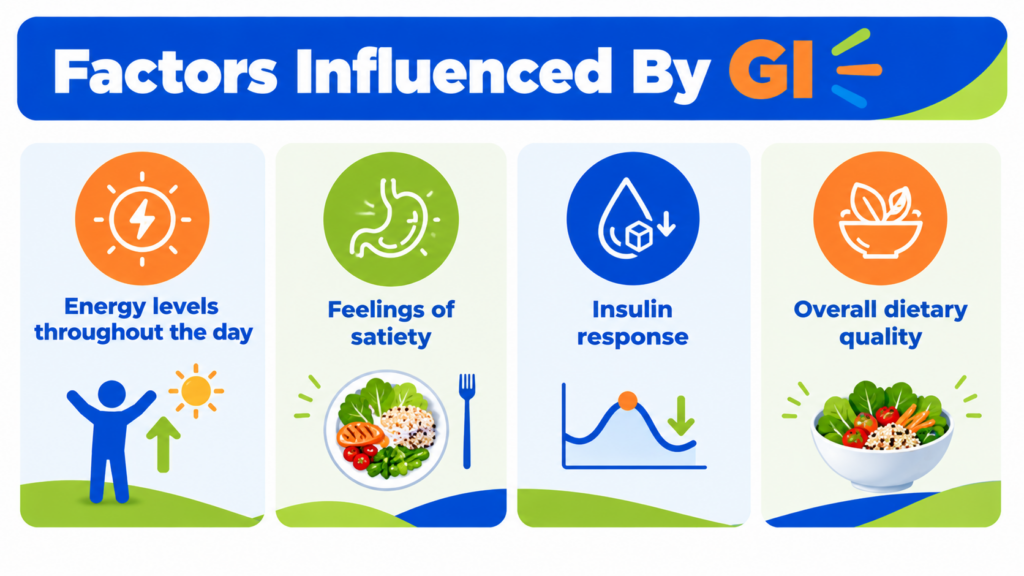
Blood glucose is the body’s primary source of energy. However, the rate at which glucose enters the bloodstream can influence multiple factors.
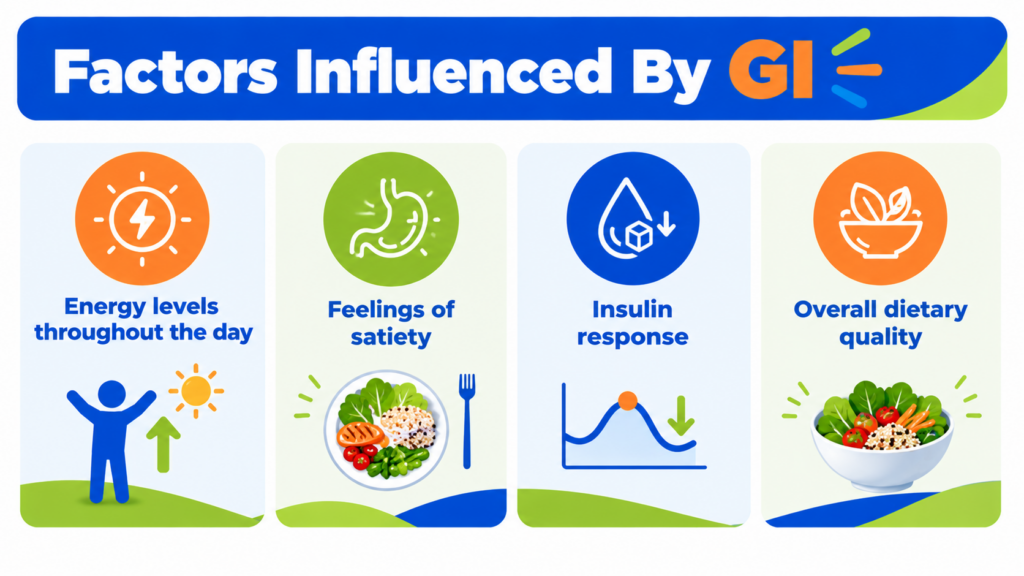
GI ClassificationFor this reason, many consumers are seeking foods and beverages that support a more balanced blood glucose response as part of a healthy lifestyle.

Why Is GI Different from Sugar Content?

A common misconception is that less sugar automatically means lower GI. In reality, GI depends on how carbohydrates behave in the body, not simply how much sugar appears on the nutrition label.

For example:
• Some starchy foods may have relatively high GI despite containing little added sugar.
• Certain carbohydrate sources may produce a slower blood glucose response even though they still provide energy [1].

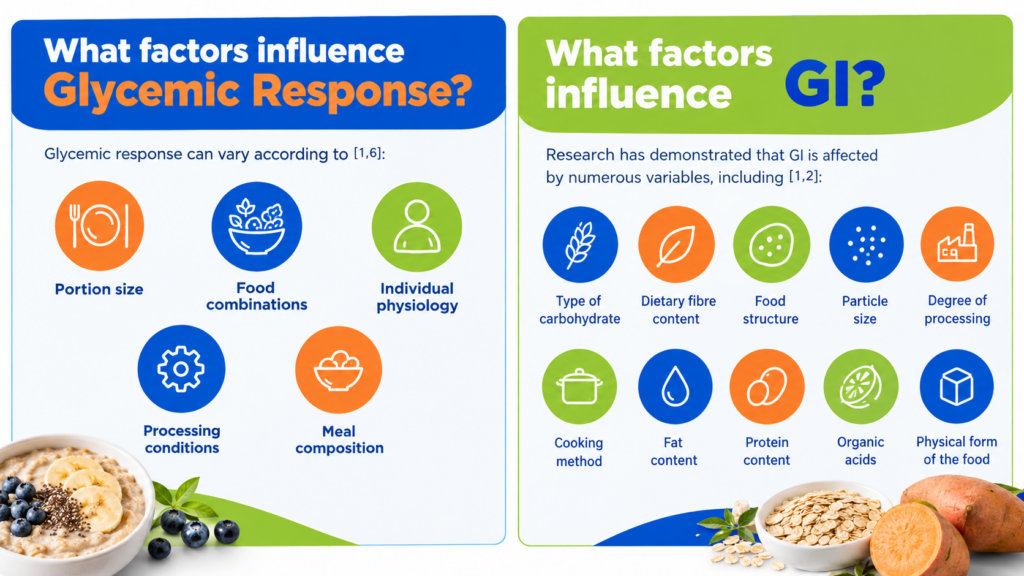
Although often used interchangeably, GI and glycemic response are not identical. 

  • Glycemic Index (GI): a standardized ranking value for foods.[1]
  • Glycemic Response: the actual blood glucose response observed after eating a food or meal.[6]
GI Classification

This explains why consumers, healthcare professionals, and food manufacturers are increasingly interested in glycemic response, not just total sugar content.

What Should Manufacturers Consider When Developing Lower GI Products?

Manufacturers cannot predict the GI of a finished product by evaluating the profile of a single ingredient alone.
The final glycemic impact of a food or beverage product depends on the interaction between ingredients, processing conditions, food structure, serving size, and other formulation variables. [1,2]
Although the inclusion of a single GI-friendly ingredient does not automatically classify a food or beverage as low-GI, it can still contribute positively to the product’s overall glycemic response.

Carbohydrate Quality Matters

Different carbohydrate sources are digested at different rates. Carbohydrates that are digested more slowly generally result in a lower postprandial blood glucose response than rapidly available carbohydrates [1]. For example, certain resistant carbohydrates escape digestion in the small intestine and therefore contribute less directly to immediate glucose release [7].

Fiber Content

Dietary fiber may influence glycemic response through several physiological mechanisms, including delayed gastric emptying, increased viscosity, altered nutrient diffusion, and changes in digestion kinetics. [7,8]

Food and Beverage Structure and Matrix

A food or beverage’s physical structure can substantially influence digestion and glucose absorption [7]. For example:
• Fiber-rich systems
• Presence of slow-digesting carbohydrates
• Intact grain structures
• Protein-rich systems
may alter the rate at which carbohydrates become available during digestion. [1,7]

How Can Fiber Influence Glycemic Response?

Dietary fiber is widely recognized for its ability to help moderate post-meal blood glucose responses. According to research, some of the mechanisms include: [7,8]
• Increased digesta viscosity
Specific fibers absorb water and form a thick, gel-like matrix in the digestive tract that slows the reach of digestive enzymes to the starch molecules.
• Reduced carbohydrate accessibility
Certain fibers can physically entrap starch granules giving digestive enzymes less direct access to starch.
• Slower gastric emptying
Viscous fibers can slow the rate at which food leaves the stomach and enters the small intestine.
• Fermentation in the large intestine
Prebiotic fiber ferments and produce short-chain fatty acids (SCFAs) that stimulate release of GLP-1.
However, not all fibers perform equally. The selection of fiber matters when it comes to
formulating a low GI product. Different fibers possess distinct [7]:
GI Classification

Ingredient Solutions for Lower-GI and Sugar-Reduction Formulation

For manufacturers looking to create low GI products, ingredient selection is key. This is where DPO International supports food manufacturers by connecting ingredient selection, formulation thinking, technical knowledge, and product-development opportunities. Among the solutions available through DPO International are functional ingredients from BENEO, including Inulin, Orafti® Synergy, and Palatinose™.
1. Inulin:
• Prebiotic fiber that can support fiber enrichment and sugar-reduction strategies in food and beverage formulation.
• Contributes improved mouthfeel
• Contributes texture enhancement in selected applications
From a glycemic-response perspective, inulin is not digested into glucose in the upper gastrointestinal tract and may be incorporated as part of a broader strategy aimed at developing products with a more favorable glycemic profile.

2. Orafti® Synergy
• Long-chain inulin with oligofructose
• Provides prebiotic fiber and can be used in fiber-enrichment and sugar-reduction applications.
• Can support lower glycemic responses when appropriately incorporated into formulations.

2. Palatinose™
• Slow-release carbohydrate derived from sucrose
• GI of 32 (low-GI category)
Again, these benefits should be viewed as part of an overall formulation strategy rather than a guarantee of a low-GI finished product.

Who is DPO International?

DPO International is positioned as a distributer of food ingredient solutions for manufacturers seeking support across food product development and formulation initiatives. For manufacturers exploring low-GI or GI-friendly product concepts, DPO International can help bridge the gap between ingredient selection and commercialization.

The glycemic index (GI) is a standardized ranking system that measures how quickly 50 g of available carbohydrate from a food raises blood glucose compared with glucose or white bread. GI scores range from 0 to 100. Foods with different carbohydrate characteristics can produce different blood glucose effects because carbohydrates vary in how quickly they are digested and absorbed. Understanding GI helps consumers and manufacturers evaluate how foods may influence blood glucose responses.

Two foods containing similar amounts of carbohydrate can affect blood glucose differently because carbohydrates are not digested and absorbed at the same rate. The article explains that carbohydrate quality matters, with some carbohydrate sources being digested more slowly than others. Slower digestion can result in a lower postprandial blood glucose response compared with rapidly available carbohydrates, even when total carbohydrate content appears similar.

The glycemic index (GI) and glycemic response are related but not identical. GI is a standardized ranking value assigned to a food, whereas glycemic response refers to the actual blood glucose response observed after consuming a food or meal. This distinction is important because consumers, healthcare professionals, and food manufacturers increasingly evaluate not only a food’s GI rating but also how it performs in real-world eating situations.

No. The article highlights that lower sugar content does not automatically translate into a lower glycemic index. GI depends on how carbohydrates behave in the body rather than simply the amount of sugar listed on a nutrition label. Some starchy foods may have relatively high GI values despite containing little added sugar, while certain carbohydrate sources may produce a slower blood glucose response even though they still provide energy.

Dietary fiber can influence glycemic response through several physiological mechanisms. According to the article, some fibers increase digesta viscosity, reduce carbohydrate accessibility, slow gastric emptying, and undergo fermentation in the large intestine. These effects may alter how quickly carbohydrates become available during digestion. The article also notes that not all fibers perform equally, making fiber selection an important consideration when developing lower-GI products.

No. The article states that manufacturers cannot predict the GI of a finished product by examining a single ingredient in isolation. The final glycemic impact depends on interactions among ingredients, processing conditions, food structure, serving size, and other formulation variables. While GI-friendly ingredients may contribute positively to overall glycemic response, they do not automatically make a finished product low GI.

The physical structure and matrix of a food or beverage can significantly influence digestion and glucose absorption. The article notes that fiber-rich systems, slow-digesting carbohydrates, intact grain structures, and protein-rich systems may alter the rate at which carbohydrates become available during digestion. Because of these effects, the structure of a product is an important factor when designing foods with a more favorable glycemic response.

The article identifies several ingredient solutions available through DPO International for manufacturers exploring lower-GI and sugar-reduction concepts. These include Inulin, a prebiotic fiber used for fiber enrichment, mouthfeel improvement, texture enhancement, and sugar-reduction strategies; Orafti® Synergy, a combination of long-chain inulin and oligofructose used in fiber-enrichment and sugar-reduction applications; and Palatinose™, a slow-release carbohydrate with a GI value of 32. The article emphasizes that these ingredients should be used as part of an overall formulation strategy rather than as a guarantee of a low-GI finished product.

References
  1. Food and Agriculture Organization of the United Nations. Carbohydrates in human nutrition: The role of the glycemic index in food choice. FAO Food Nutr Pap. 1998.
  2. Atkinson FS, Foster-Powell K, Brand-Miller JC. International tables of glycemic index and glycemic load values. Diabetes Care. 2021;44(1):1-10.
  3. BENEO. Functional fibres Orafti® Inulin & Oligofructose. Official BENEO Technical Information. Available from: https://www.beneo.com/human-nutrition/human-nutrition-products/functional-fibres
  4. BENEO. Orafti® Inulin Product Information. Official BENEO Technical Documentation. Available from: https://www.beneo.com/human-nutrition/human-nutrition-products/functional-fibres/inulin
  5. International Organization for Standardization. ISO 26642:2010 Food products—Determination of the glycaemic index (GI) and recommendation for food classification. Geneva: ISO; 2010.
  6. Jenkins DJA, Wolever TMS, Taylor RH, Barker HM, Fielden H, Baldwin JM, et al. Glycemic index of foods: a physiological basis for carbohydrate exchange. Am J Clin Nutr. 1981;34(3):362-366.
  7. Giuntini EB, Sardá FAH, de Menezes EW. The Effects of Soluble Dietary Fibers on Glycemic Response: An Overview and Future Perspectives. Foods. 2022;11(23):3934.
  8. Lu K, Yu T, Cao X, Xia H, Wang S, Sun G, et al. Effect of viscous soluble dietary fiber on glucose and lipid metabolism in patients with type 2 diabetes mellitus: A systematic review and meta-analysis on randomized clinical trials. Front Nutr. 2023;10:1253312.
  9. BENEO. Real-life scientific study demonstrates BENEO ingredients suit a personalised nutrition approach. 2022.
  10. Guess ND, Dornhorst A, Oliver N, Bell JD, Thomas EL, Frost GS. A randomized controlled trial investigating the effects of oligofructose-enriched inulin on weight loss and metabolic parameters in prediabetes. Evidence cited by BENEO scientific communications.