Gluten-free bakery products are opening up new opportunities for food manufacturers, but consumers may expect more than an alternative to conventional baked goods. Beyond meeting gluten-free dietary requirements, there is growing scope to develop products that offer nutritional value, enjoyable taste and appealing textures.
From increasing fibre content to incorporating plant-based nutrients and maintaining a satisfying eating experience, ingredient selection plays an important role in shaping product appeal. These elements need to work together to create products that stand out.
So, what does it take to move beyond conventional gluten-free offerings? Let’s explore the market opportunities, challenges and ingredient solutions that can bring more appealing bakery products to life.
The Growing Opportunity in the Gluten-Free Bakery Market
Demand for gluten-free food and beverages is expanding across Asia-Pacific. The regional market was valued at USD 1.56 billion in 2025 and is projected to reach USD 2.66 billion by 2031. Within the market, bakery products accounted for 31.78% of revenue in 2025, making them a significant category for manufacturers to watch. 1
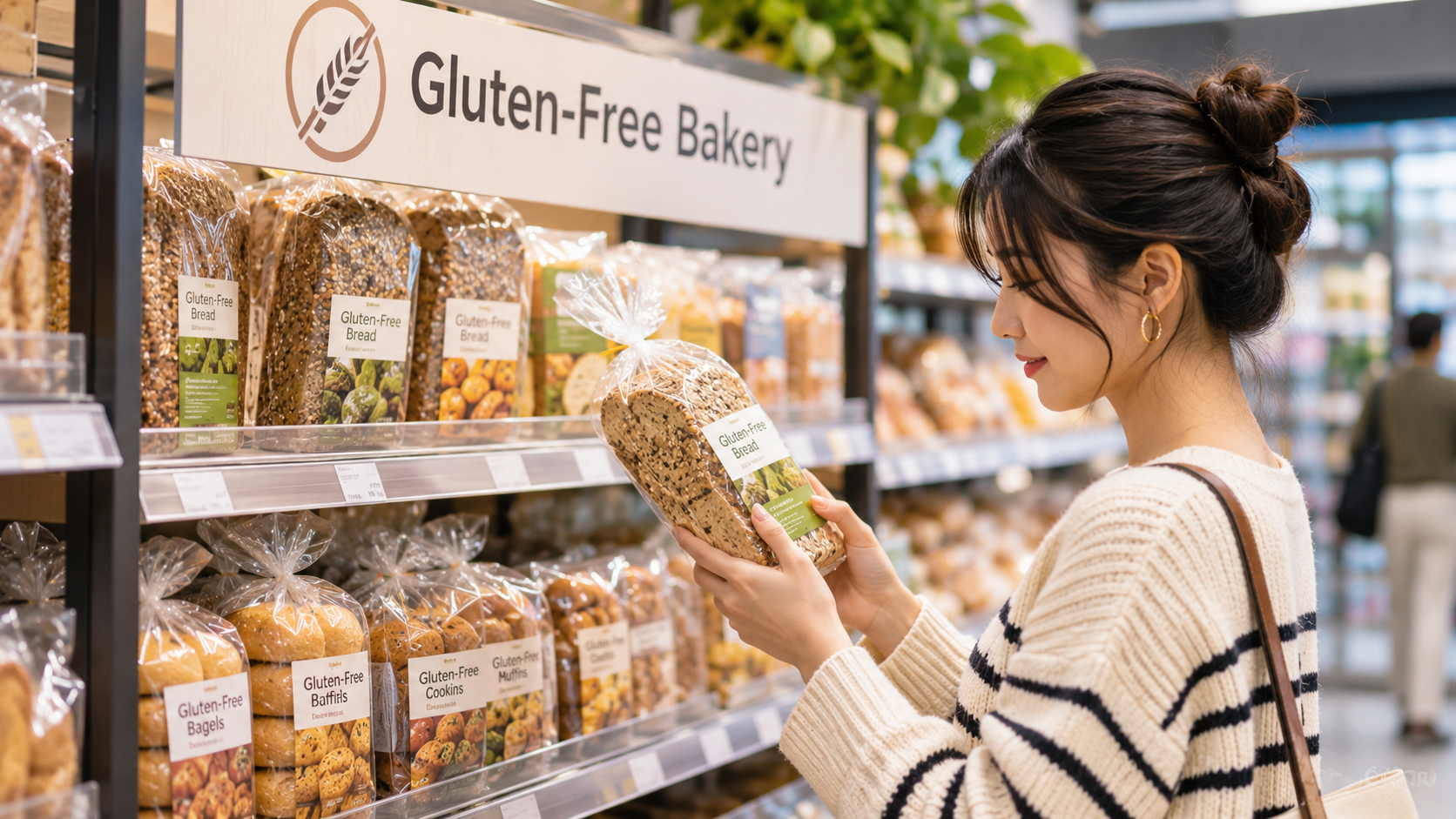
This creates opportunities across familiar formats such as bread, biscuits, cookies, cakes and muffins. However, growth alone does not guarantee product success. Consumers still expect gluten-free alternatives to deliver an enjoyable eating experience, while food manufacturers must find ways to differentiate their offerings in a competitive market.
What Makes Gluten-Free Bakery Products More Appealing
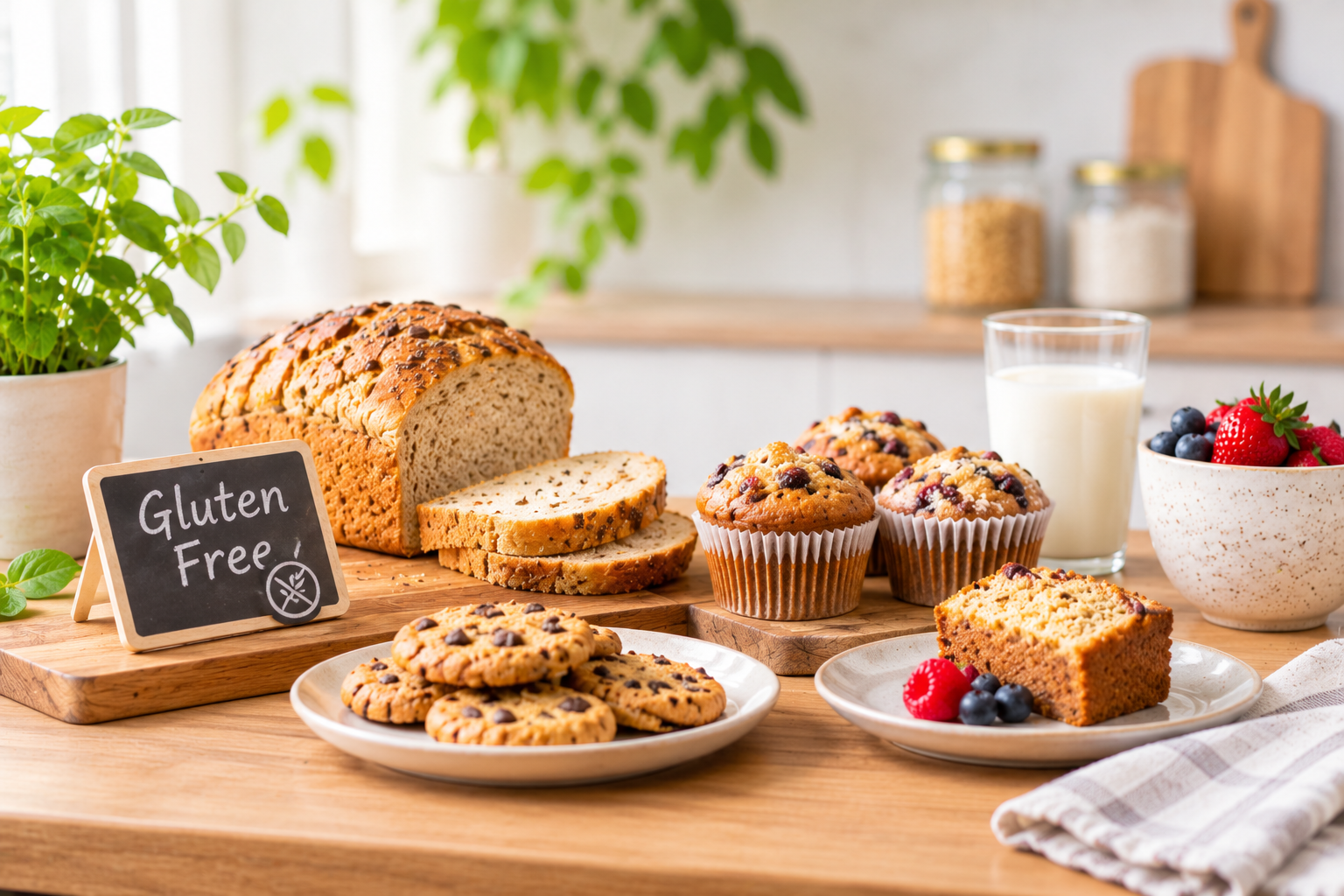
Consumers expect gluten-free bakery products to offer more than dietary suitability. Nutritional value, taste and texture all contribute to product appeal.
- Nutritional Value
Fibre, plant protein and omega-3 can add nutritional value beyond simply removing gluten.
- Taste and Texture
Moisture, softness and mouthfeel remain important to an enjoyable eating experience.
- Product Variety
Bread, biscuits, cookies, cakes and muffins offer opportunities to develop a range of gluten-free formats.
Key Challenges in Balancing Nutrition and Product Quality in Gluten-Free Bakery
- Enhancing Nutritional Value
Gluten-free bakery formulations may offer opportunities to improve dietary fibre and other nutrients. For example, incorporating chia seeds into gluten-free biscuits can increase their protein and dietary fibre content. In one study, biscuits with 20% chia substitution achieved 6.16% dietary fibre, while those with 10% substitution maintained overall acceptability comparable to conventional biscuits. 4
- Maintaining Texture and Moisture
Maintaining moisture and texture can be challenging in gluten-free bakery formulations. Without the cohesive structure provided by gluten, doughs may have weaker water-binding properties, leading to moisture loss and a drier texture. These factors can affect the final product’s mouthfeel, firmness and overall eating experience. 2
- Balancing Ingredient Functionality
Selecting suitable ingredients for gluten-free bakery products requires careful consideration of their functional properties and how they interact within a formulation. For example, plant-derived hydrocolloids such as chia, flaxseed and psyllium can influence dough behaviour, water-holding capacity and texture. As their functional effects may vary, choosing the right ingredients and understanding how they work together is important to achieve the desired product quality. 3
Ingredient Opportunities for Nutrition, Taste and Texture
At DPO International, we work with industry partners such as BENEO and BENEXIA to bring innovative ingredient solutions to food manufacturers. These partnerships provide access to ingredients with different nutritional and functional properties that can support the development of more appealing gluten-free bakery products.
The following ingredients offer opportunities to enhance nutritional value while supporting different formulation needs:
Ingredient | Nutritional Benefits | Technical Benefits |
BENEO Orafti GR | • Provides soluble dietary fibre from chicory root. | • Can partially replace fat in suitable formulations. |
BENEXIA Xia Powder 435 W LM | • Gluten-free (suitable diet). | • Fine chia fibre powder (≤400 µm). |
BENEXIA Black Chia Raw | • Gluten-free (suitable diet). | • Made from 100% whole chia seeds. |
Formulation Considerations: Ingredient performance may vary depending on the formulation and application. Manufacturers should conduct trials to determine suitable inclusion levels and ensure the finished product meets gluten-free requirements.
Regulatory Considerations for Gluten-Free Bakery Products
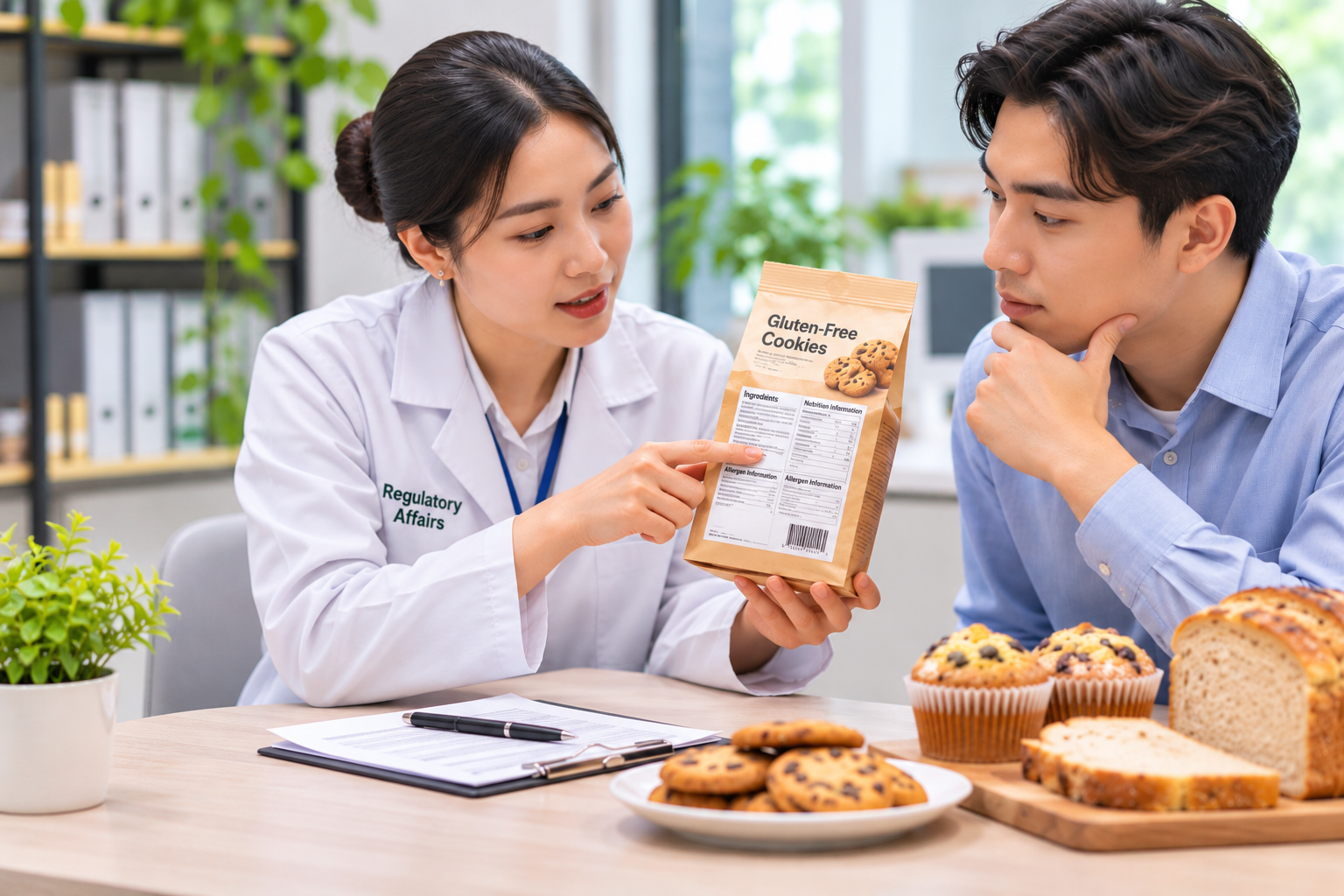
Beyond ingredient selection, manufacturers should consider the regulatory requirements for developing and marketing gluten-free bakery products.
- Gluten-Free Requirements
Ensure the finished product meets the applicable gluten threshold and that cross-contact with gluten-containing ingredients is properly controlled.
- Ingredient Labelling
Check local requirements for declaring gluten-containing cereals, allergens and other ingredients on product packaging.
- Nutritional and Health Claims
Claims relating to fibre, protein, omega-3 and prebiotic benefits must be supported by the finished product’s composition and comply with local regulations.
Developing gluten-free bakery products requires the right ingredients and an understanding of regulatory requirements across different markets.
DPO International supports food manufacturers with tailored ingredient solutions and regulatory expertise to navigate product development and market regulations.
Looking to develop your next gluten-free bakery innovation? Contact our team today to explore how we can support your needs.