IQF frozen berries offer foodservice operators more than just convenience. While frozen berries are often chosen for their longer availability and ease of preparation, operators may still wonder whether they can deliver the flavour, colour and texture needed across different menu applications.
The answer depends on the berry variety, freezing technology and how the fruit is stored and handled. Individual Quick Freezing (IQF) helps preserve the berries’ structure while keeping each piece separate for easier portioning.
From bakery fillings and beverages to desserts, understanding how IQF works and what each berry variety offers can help foodservice businesses make more informed ingredient choices. So, what makes IQF frozen berries a versatile option for foodservice? Let’s take a closer look.
What Is IQF Technology, and How Does It Help Preserve Frozen Berries?
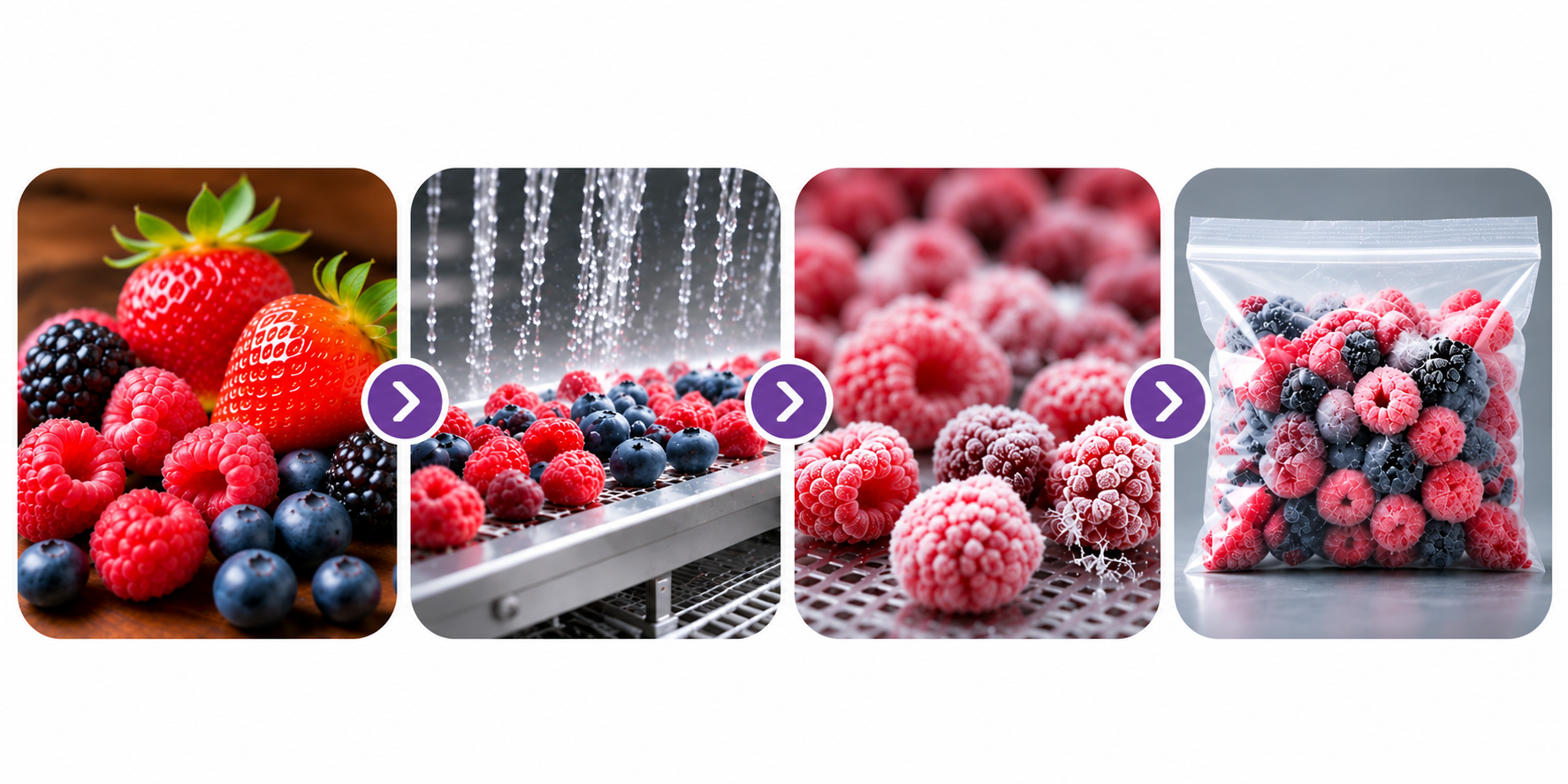
Berries have a delicate structure and high moisture content, making the freezing process important to their quality. When frozen slowly, larger ice crystals can form within the fruit, damaging its cell structure and causing more moisture to escape during thawing.
IQF helps address this by freezing berries rapidly, forming smaller ice crystals that can minimise structural damage and help retain their quality. It also freezes each berry separately, rather than in a solid block, making them easier to portion for foodservice preparation. This is particularly useful when measuring berries for pastry fillings, baked goods, beverages and desserts.
Beyond texture, quick-freezing can also help preserve the berries’ original flavour. Research on blueberries has shown that quick-freezing can reduce flavour loss compared with slower freezing methods. 2
Foodcraft is one example of a brand offering frozen berries processed using IQF technology. We’ll explore its range in more detail later in this article.
What Makes Frozen Berries a Valuable Ingredient?
Frozen berries bring together distinctive flavours, vibrant natural colours and naturally occurring nutrients. Depending on the variety, they provide dietary fibre, vitamin C and plant compounds such as polyphenols. Many red, purple and blue berries also contain anthocyanins, the pigments that contribute to their characteristic colours. These qualities give foodservice operators several ways to build variety into their menus.
- Distinctive Flavours and Colours
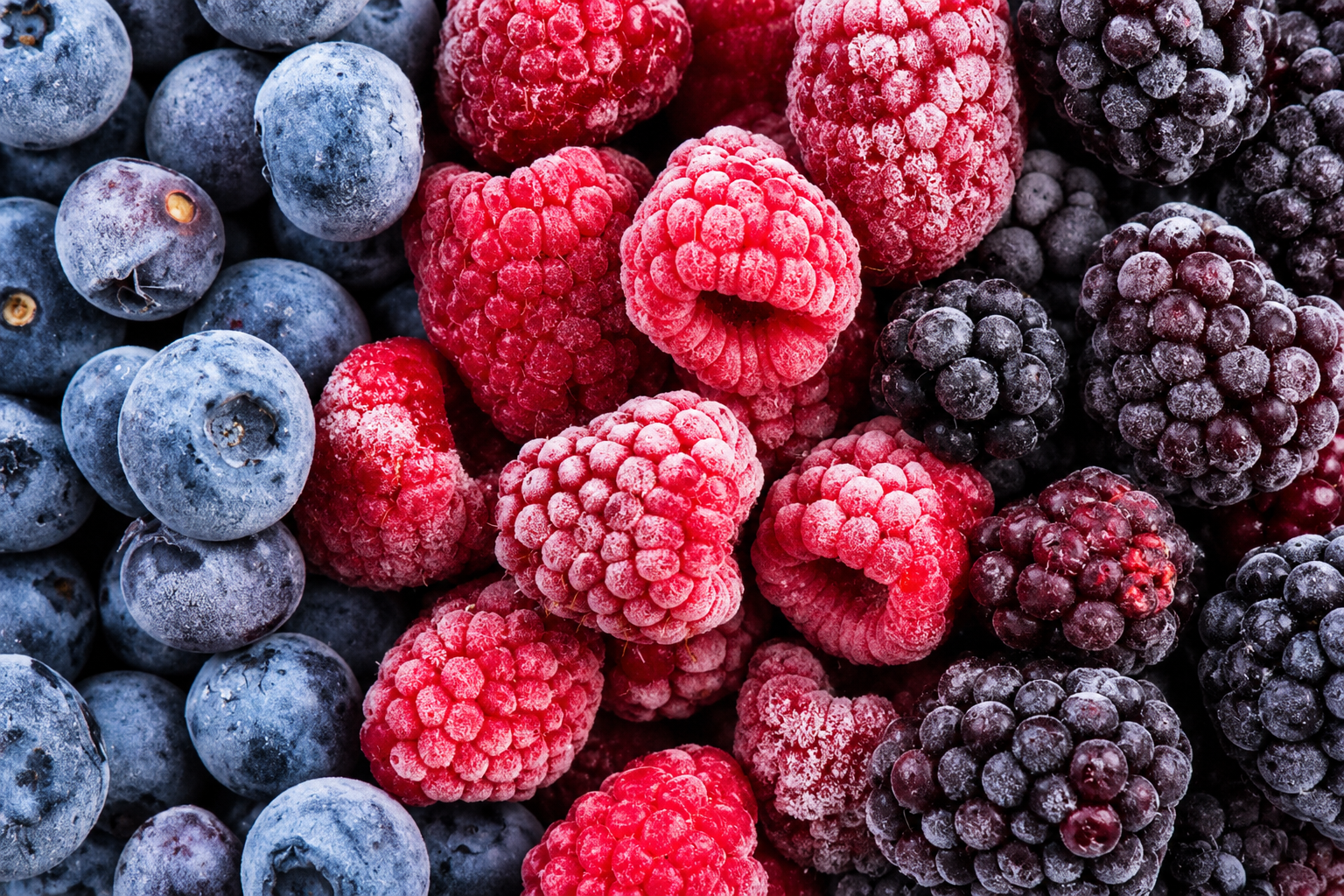
Each berry has its own flavour profile. Strawberries are familiar and sweet, blueberries are generally mild with a slight tang, and raspberries have an aromatic sweet-tart taste. Blackcurrants are more intense and tart, while blackberries offer a deeper berry flavour. Mixed berries bring several profiles together, giving operators options for fruit inclusions, flavour combinations and colourful menu creations.
- Nutritional Value and Nutrient Retention
Berries naturally provide nutrients such as dietary fibre and vitamin C, alongside plant compounds like anthocyanins. Freezing can help retain many of these nutrients, although levels may change depending on the fruit variety, storage and thawing conditions.
For example, a 2024 study on frozen strawberries found that vitamin C levels decreased by 17% between four weeks and six months of storage at −20°C, while anthocyanin levels remained relatively stable. This finding relates specifically to the strawberries and storage conditions examined in the study, and should not be generalised to all berry varieties. 1
- Convenience and Menu Flexibility
Frozen berries allow foodservice businesses to work with different berry varieties beyond their usual fresh harvest periods, offering greater flexibility in menu planning. Depending on the product specification, they may also reduce preparation steps such as washing, sorting and trimming. They can be used as fillings for pastries, cakes and pies, blended into beverages, or cooked into sauces and fruit preparations, making them suitable for a wide range of menu applications.
How to Choose IQF Frozen Berries for Different Foodservice Applications
The most suitable berry depends on the flavour, colour and result desired in the finished product. The following examples can help foodservice operators consider which variety may suit different menu applications. Actual use should be checked against the product specification, recipe and handling instructions.
Berry Variety | Characteristics and Potential Applications |
Strawberry | Sweet, familiar flavour and vibrant red colour. Potential uses include smoothies, cakes, sauces and dessert toppings. |
Blueberry | Mild, subtly sweet flavour with a slight tang. Potential uses include muffins, pancakes, smoothies and bakery fillings. |
Raspberry | Aromatic, sweet-tart flavour. Potential uses include pastry fillings, fruit sauces, cheesecakes and desserts. |
Blackberry | Deeper berry flavour with a balance of sweetness and tartness. Potential uses include fruit sauces, desserts, jams and bakery fillings. |
Blackcurrant | Intense, tart flavour and deep colour. Potential uses include beverage applications, fruit sauces, jams and desserts. |
Mixed Berries | A combination of berry flavours and colours. Potential uses include smoothies, fruit toppings, sauces and dessert preparations. |
Exploring Foodcraft’s Frozen Berry Range
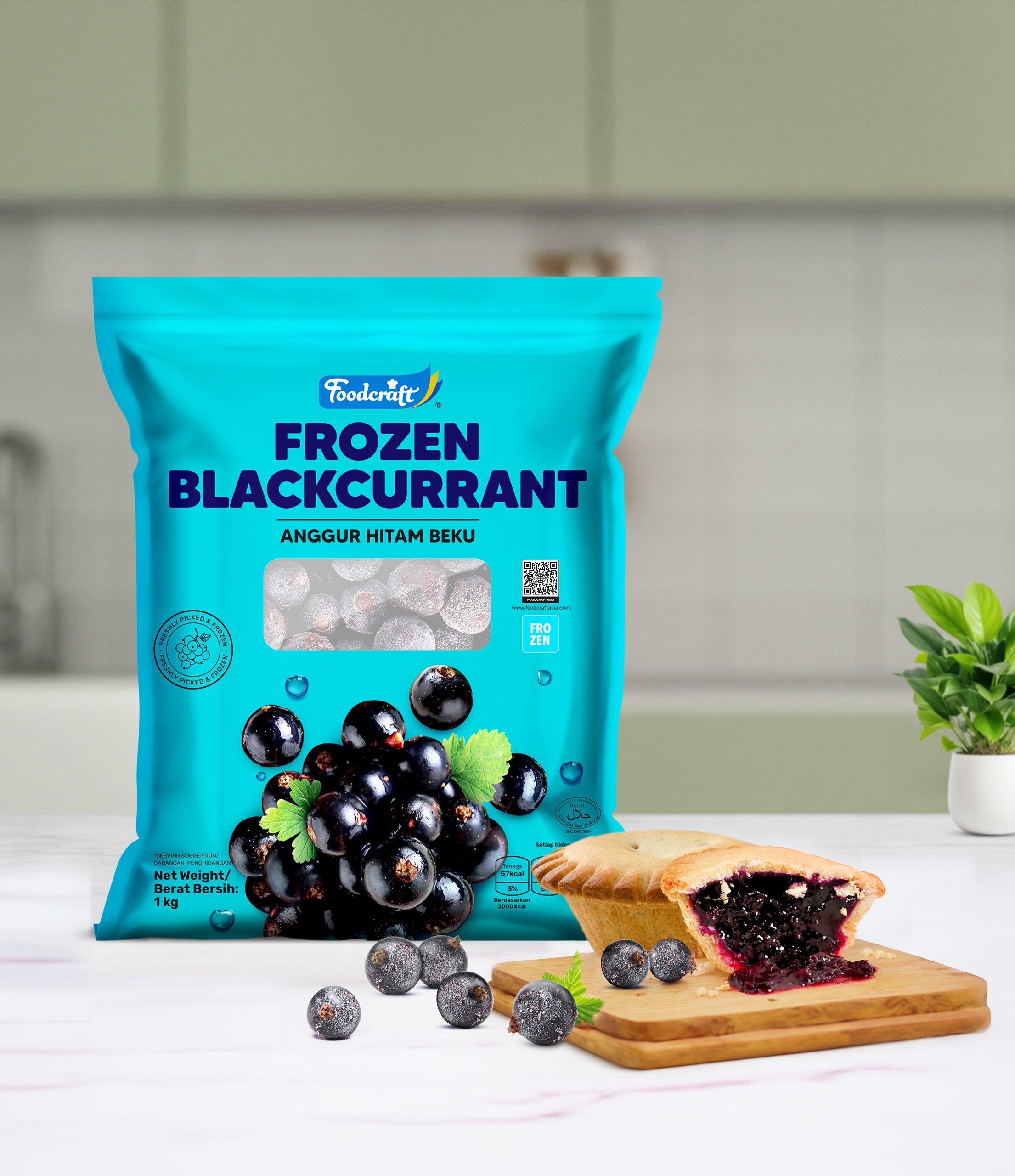
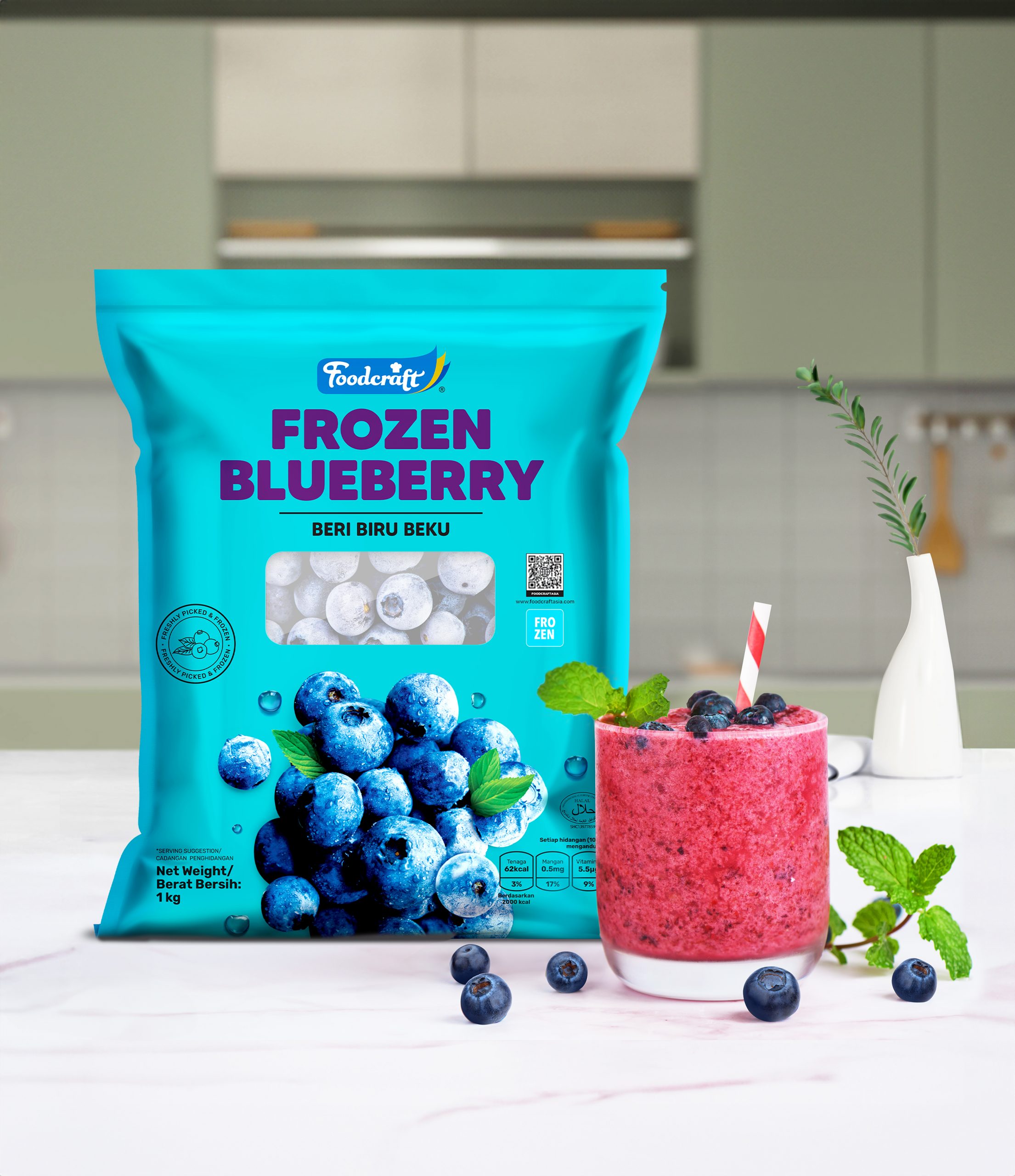
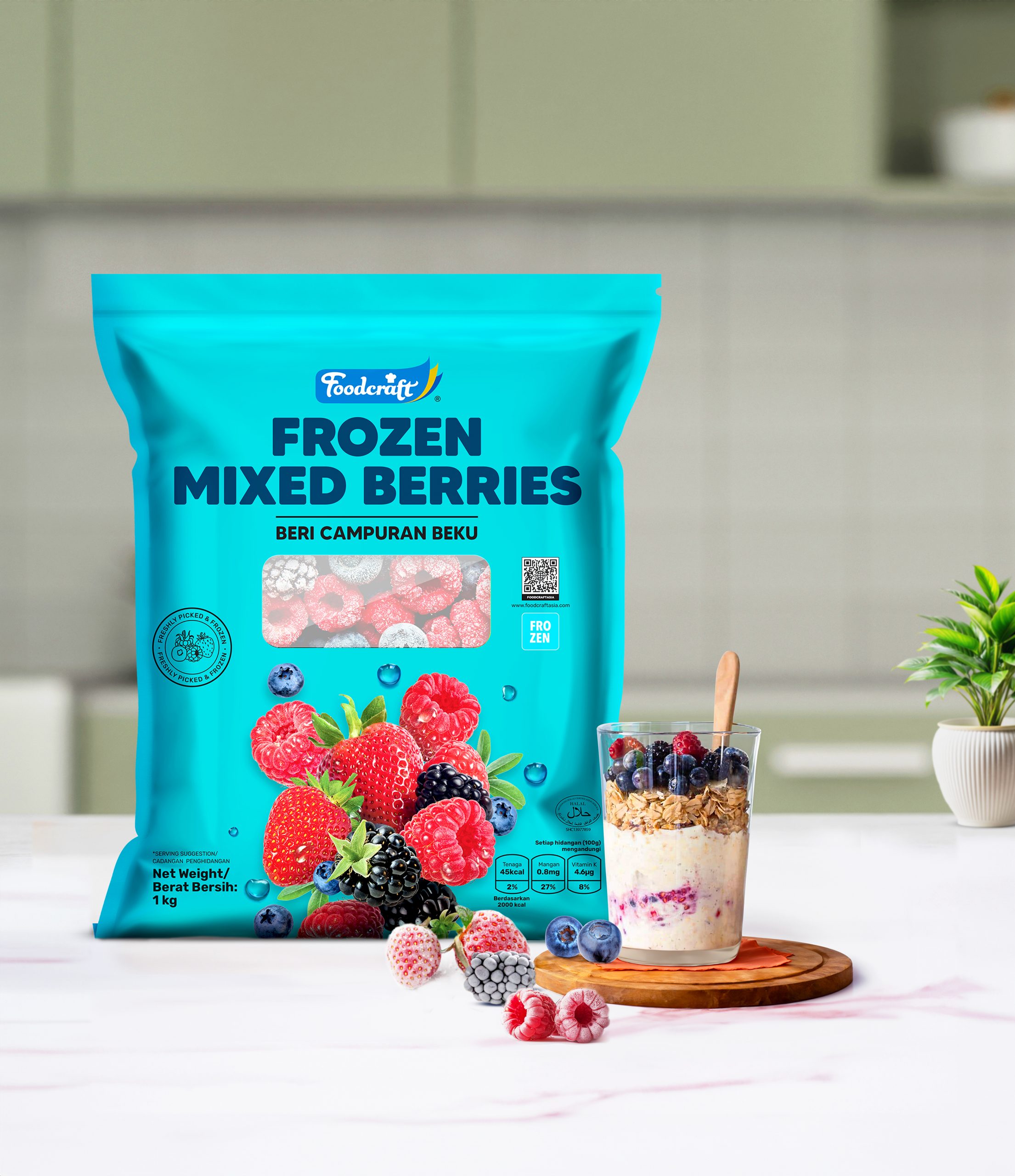
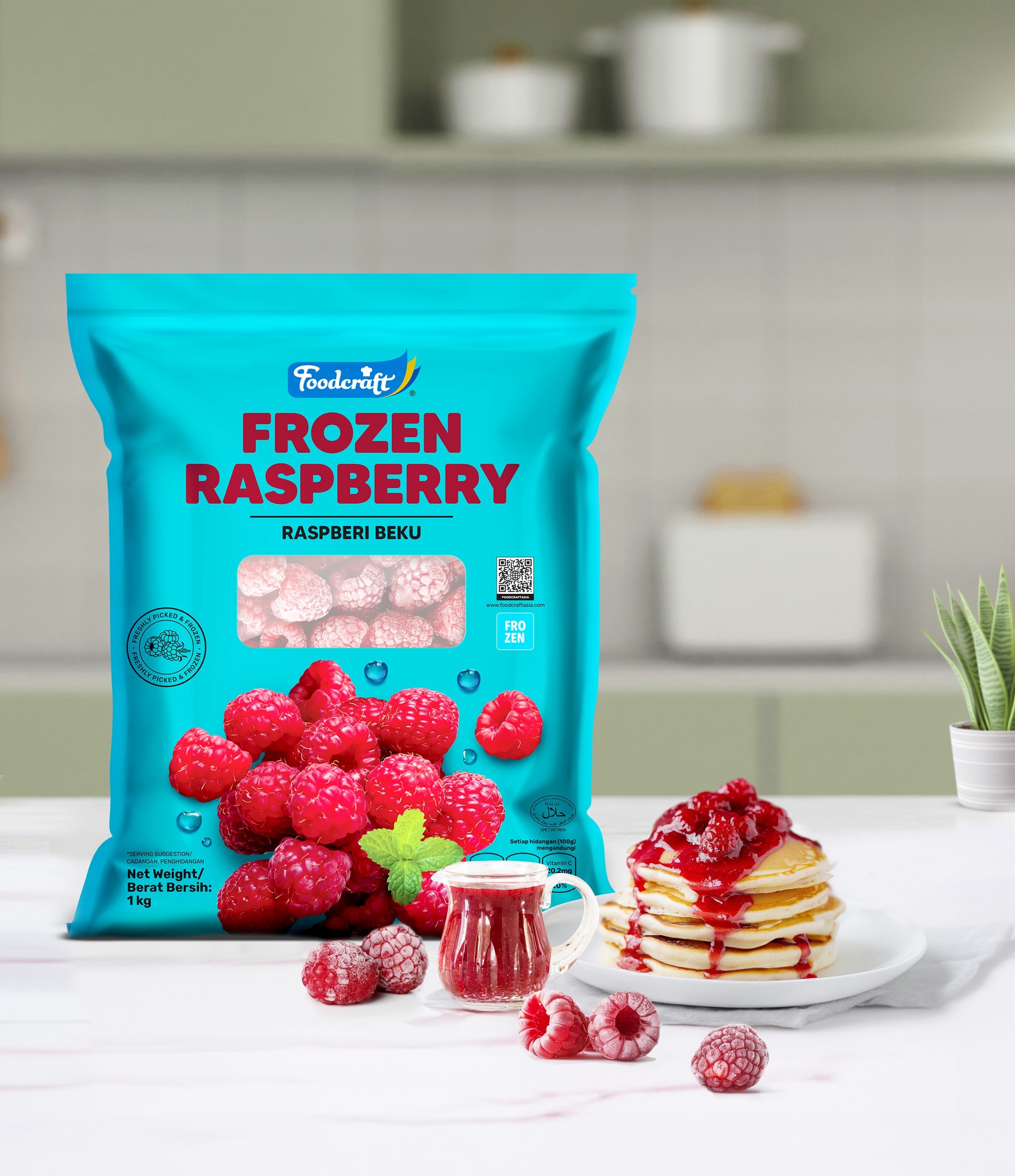
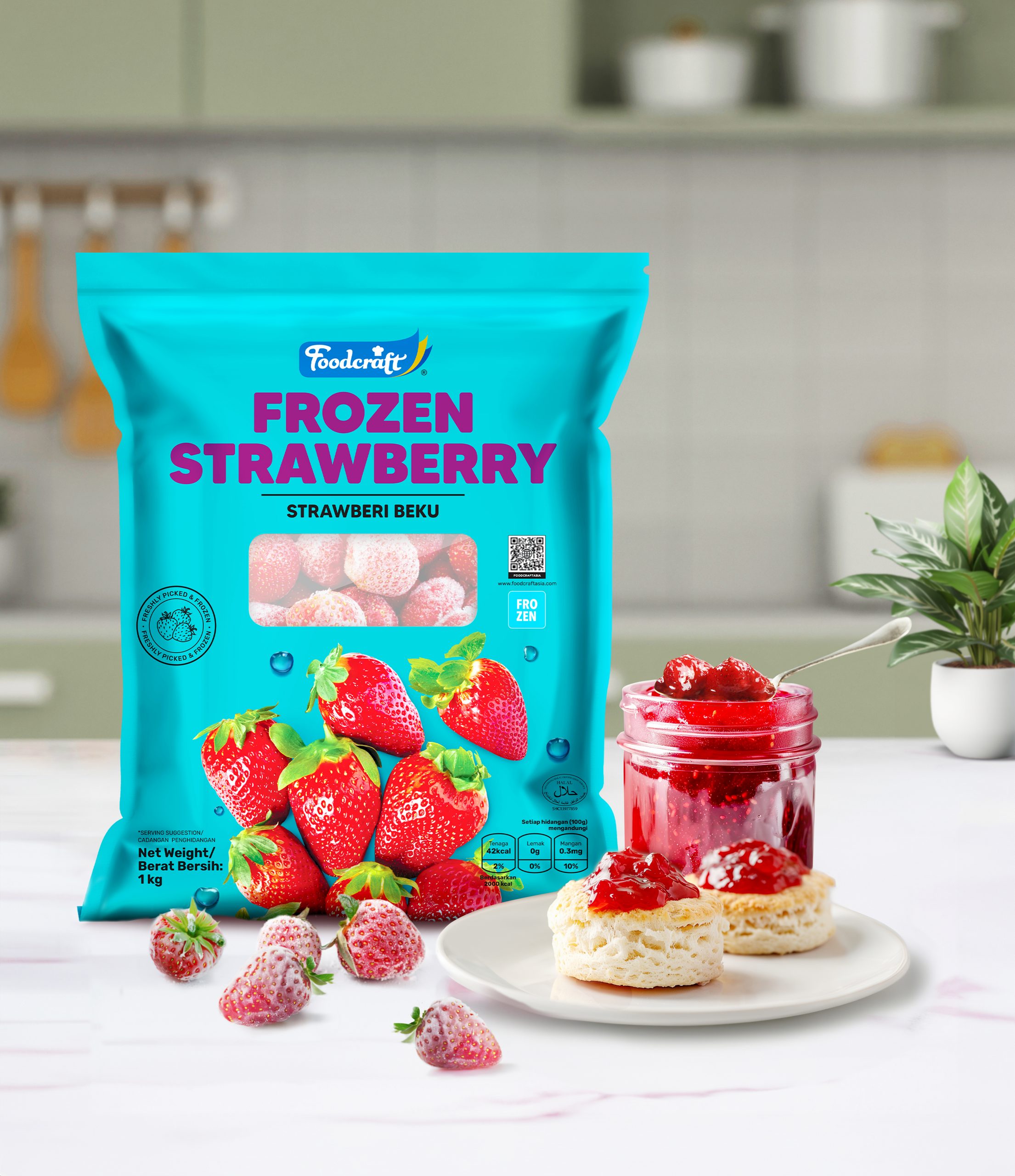
Foodservice operators can explore a selection of frozen berries from Foodcraft, DPO International’s in-house food brand. Designed to offer convenient fruit options for foodservice operators, the range features six berry varieties, each bringing its own distinctive flavour and colour to food and beverage creations.
The six varieties include:
- Frozen Blackberry
- Frozen Blackcurrant
- Frozen Blueberry
- Frozen Mixed Berries
- Frozen Raspberry
- Frozen Strawberry
Handling and Preparation Considerations
- Maintain frozen storage: Keep IQF frozen berries at the storage temperature specified by the supplier to maintain product quality.
- Portion as needed: Remove only the quantity required for each preparation, keeping the remaining berries frozen.
- Thaw appropriately: If the recipe requires thawed berries, follow the supplier’s recommended thawing instructions.
- Avoid repeated thawing and refreezing: Repeated temperature changes may affect the berries’ texture and quality.
- Follow recipe requirements: Whether berries are used frozen or thawed depends on the intended application, such as smoothies, bakery fillings or desserts.
Beyond ingredient sourcing, DPO International supports the development of food concepts using ingredients such as frozen berries. Our Application and Recipes team has developed recipes featuring frozen berries to showcase their potential across various food applications.
Explore our existing berry recipes for inspiration:

Have a menu concept in mind? Contact DPO International to explore the possibilities.