What Is Insulin Resistance?
Insulin is a hormone produced by the pancreas. Its primary role is to help glucose enter cells where it can be used for energy.
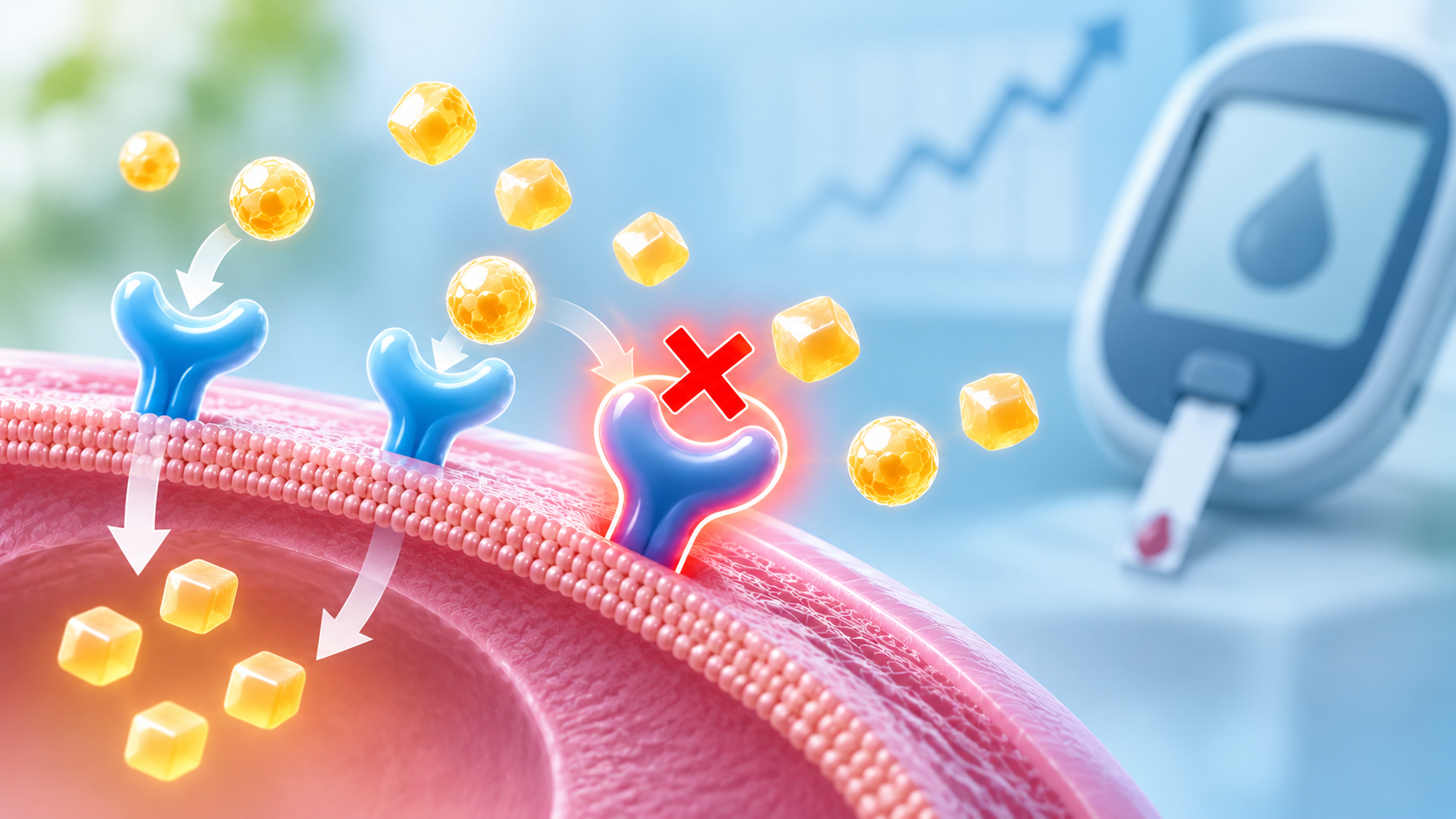
Insulin resistance is a condition where the body’s cells become less responsive to insulin, making it harder for glucose to move from the bloodstream into cells for energy. Over time, the pancreas compensates by producing more insulin, which can lead to elevated insulin levels and eventually increase the risk of prediabetes and type 2 diabetes.[1]
As awareness of metabolic health continues to grow, more consumers are actively searching for information about insulin resistance symptoms, insulin resistance diets, and ways to improve insulin sensitivity. For food and beverage manufacturers, this interest presents opportunities to develop products that align with consumer demand for better blood glucose management and healthier lifestyles.
Insulin Resistance vs Insulin Sensitivity
These terms are often mistaken for one another.
- Insulin sensitivity refers to how effectively cells respond to insulin.
- Insulin resistance refers to reduced responsiveness to insulin.
Improving insulin sensitivity is generally considered beneficial because the body requires less insulin to manage blood glucose levels.
What Are the Symptoms of Insulin Resistance?
Many people with insulin resistance experience no obvious symptoms initially.
Possible signs associated with insulin resistance include:
- Increased waist circumference
- Elevated fasting blood glucose
- Elevated fasting insulin
- High triglycerides (fat levels)
- Low HDL cholesterol
- Darkened skin patches in specific regions (acanthosis nigricans)
- Difficulty managing weight [1]
However, an accurate diagnosis requires appropriate clinical assessment rather than symptom observation alone.
What Causes Insulin Resistance?
Insulin resistance develops through a combination of genetic, lifestyle, and metabolic factors.
Common contributors include:
Excess Body Fat
Visceral fat surrounding abdominal organs is strongly associated with insulin resistance and metabolic dysfunction.[1]
Physical Inactivity
Regular muscle activity helps improve glucose uptake and insulin responsiveness.[2]
Poor Dietary Patterns
Diets high in rapidly digested carbohydrates and excessive calorie intake may contribute to long-term metabolic dysfunction.[2]
Sleep and Stress
Poor sleep quality and chronic stress may negatively affect glucose metabolism and insulin regulation.[2]
Can Insulin Resistance Be Reversed?
Many consumers search for “how to reverse insulin resistance.”
Instead of “reversing insulin resistance”, a more scientifically accurate description is that insulin sensitivity can often improve substantially through lifestyle interventions, especially in people with prediabetes or early metabolic dysfunction.[2]
Evidence-based strategies include:
- Weight reduction for individuals with overweight or obesity
- Regular physical activity
- High-fiber dietary patterns
- Limiting excessive intake of highly refined carbohydrates
- Adequate sleep
- Stress management [2]
No single food or ingredient is capable of reversing insulin resistance on its own.
What Is an “Insulin Resistance Diet”?
An insulin resistance diet focuses on supporting stable blood glucose levels, overall nutritional quality, and healthy body weight.
Common dietary principles include:
Prioritize Fiber-Rich Foods
Dietary fiber can help slow digestion and support glycemic control. Foods include:
- Whole grains
- Legumes
- Fruits
- Vegetables
Choose Lower-Glycemic (Low GI) Carbohydrates
Foods that produce a slower rise in blood glucose may help reduce post-meal glucose excursions.[3] A rapid rise in blood glucose levels, typically triggers a corresponding rise in insulin secretion. There is evidence that prolonged exposure to high insulin can reduce insulin responsiveness.[9]
Palatinose™ (Isomaltulose): What Does the Science Actually Show?
Palatinose™ is BENEO’s branded form of isomaltulose, a naturally occurring carbohydrate derived from sucrose.
Although isomaltulose and sucrose contain the same amount of energy, isomaltulose is digested more slowly, resulting in a slower and more balanced release of glucose into the bloodstream.[3]
Does Isomaltulose Improve Insulin Sensitivity?
This distinction is important.
Current evidence most consistently supports that isomaltulose:
- Produces lower postprandial blood glucose responses compared with sucrose.
- Produces lower postprandial insulin responses compared with sucrose. [3,4]
Current evidence indicates that Palatinose™ (isomaltulose) can play a meaningful role in blood glucose management by producing a slower and more sustained release of glucose compared with conventional sugars. Human clinical studies consistently demonstrate lower postprandial blood glucose and insulin responses following consumption of isomaltulose compared with sucrose. [3,4]
These effects are particularly relevant for consumers concerned about insulin resistance because repeated exposure to large glucose and insulin spikes may contribute to metabolic dysfunction over time. While current evidence does not conclusively demonstrate that routine consumption of isomaltulose directly improves insulin sensitivity in the general population, its ability to support a lower daily glucose and insulin profile makes it a valuable carbohydrate choice within products designed for metabolic health and blood glucose management. [3-5]
Orafti® Chicory Root Fibers and Insulin Resistance
BENEO’s chicory root fiber portfolio includes:
- Orafti® Inulin
- Orafti® Synergy1 (oligofructose-enriched inulin)
These ingredients belong to a family of fermentable fibers known as inulin-type fructans.
Inulin
Several meta-analyses have evaluated inulin supplementation in people with metabolic disorders.
A 2020 systematic review and meta-analysis of randomized controlled trials involving people with type 2 diabetes concluded that inulin supplementation significantly improved fasting plasma glucose, HbA1c and HOMA-IR compared with controls.[6]
These findings highlight the potential role of inulin as part of dietary strategies to support metabolic health and glycemic management.
Orafti® Synergy1
Orafti® Synergy1 combines long-chain inulin and oligofructose.
Research in adults with prediabetes found that supplementation with Orafti® Synergy1 was associated with:
- Reduced fasting insulin in specific subgroups
- Reduced insulin resistance in a specific subgroup
- Change in post-meal insulin secretion
- Enhanced weight loss when combined with dietary programs [8]
For food and beverage manufacturers developing products for the growing metabolic health market, Orafti® chicory root fibers offer benefits that extend beyond simple fiber enrichment. By combining sugar reduction, prebiotic functionality and clinically supported improvements in blood glucose and insulin responses, Orafti® ingredients provide a science-backed approach to formulating products aligned with consumer demand for healthier blood sugar management. While they are not proven to reverse insulin resistance, the available evidence suggests they can support several metabolic pathways associated with improved glycemic control and overall metabolic health. [6,8]
What Do Consumers Want from Insulin Resistance Solutions?
Search data show consumers are increasingly leaning towards proactive metabolic health support.
Consumer interests commonly include:
- Stable blood sugar levels
- High-fiber foods
- Lower glycemic carbohydrates
- Reduced sugar products
- Weight management
- Sustainable energy release
- Gut health and metabolic health connections
For manufacturers, this creates opportunities to develop products such as:
- Reduced-sugar beverages
- Functional dairy products
- High-fiber snacks
- Better-for-you bakery products
- Meal replacements
- Sports nutrition products with balanced energy release
Ingredient Opportunities for Food Manufacturers
Consumers concerned about insulin resistance increasingly seek products that support blood glucose management without sacrificing taste.
This is where ingredient selection becomes important.
Lower-glycemic carbohydrates such as Palatinose™ and functional fibers such as Orafti® chicory root fibers may help manufacturers formulate products aligned with evolving metabolic health trends.
As one of SEA’s top one-stop solution provider for the food industry, DPO International helps food and beverage manufacturers translate these market opportunities into commercially viable products by connecting ingredient science with product development needs, sourcing relevant functional ingredients, and identifying formulation solutions that support targeted nutritional positioning.
Rather than focusing on individual ingredients alone, successful metabolic health products typically combine:
- Balanced macronutrient composition
- Fiber enrichment
- Appropriate carbohydrate selection
- Consumer-friendly taste and texture
- Regulatory-compliant health communication
Insulin resistance occurs when cells respond less effectively to insulin, causing the body to require more insulin to maintain normal blood glucose levels.
Potential signs include abdominal obesity, elevated blood glucose, elevated triglycerides, low HDL cholesterol and acanthosis nigricans, although many people have no obvious symptoms.
Evidence supports weight management, regular exercise, fiber-rich diets, good sleep quality and overall healthy dietary patterns may help with improving insulin sensitivity.
Current evidence most consistently supports lower postprandial glucose and insulin responses. Evidence for direct improvements in insulin sensitivity is currently more limited.
Meta-analyses suggest that inulin-type fructans may improve fasting glucose, fasting insulin and HOMA-IR in some populations, particularly individuals with type 2 diabetes.
Insulin resistance develops through a combination of genetic, lifestyle, and metabolic factors. Common contributing factors include:
Excess body fat: Visceral fat surrounding abdominal organs is strongly associated with insulin resistance and metabolic dysfunction.
Physical inactivity: Regular muscle activity helps improve glucose uptake and insulin responsiveness.
Poor dietary patterns: Diets high in rapidly digested carbohydrates and excessive calorie intake may contribute to long-term metabolic dysfunction.
Poor sleep and chronic stress: Both may negatively affect glucose metabolism and insulin regulation.
Consider incorporating more fibre-rich foods, such as whole grains, legumes, fruits and vegetables, into your daily diet. Choosing lower-glycemic (low-GI) carbohydrates may also help reduce post-meal blood glucose excursions by producing a slower rise in blood glucose.
Clinical indicators associated with insulin resistance include elevated fasting blood glucose, elevated fasting insulin, high triglycerides, low HDL cholesterol and increased waist circumference. However, an accurate diagnosis requires appropriate clinical assessment rather than symptom observation alone.