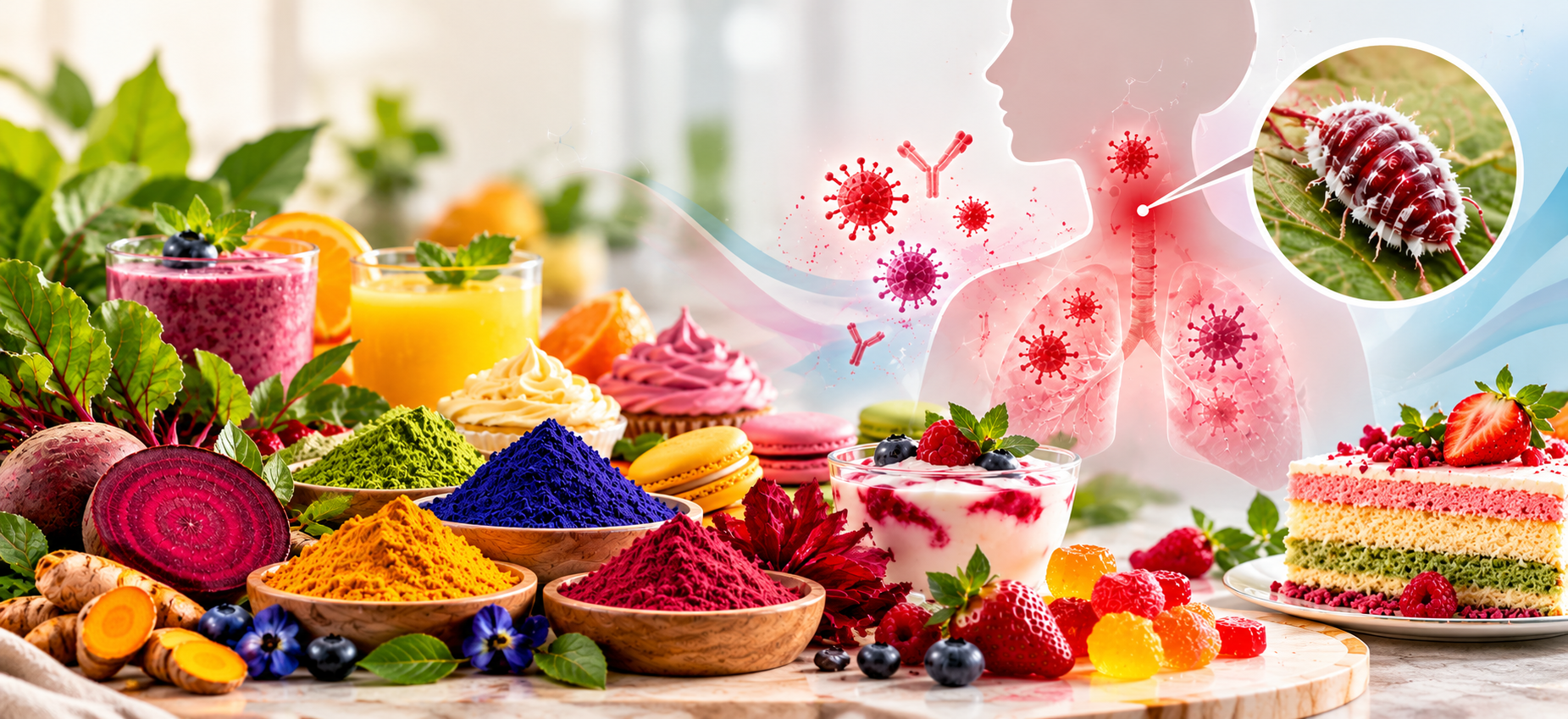
Colour plays an important role in confectionery, shaping how consumers recognise flavours, perceive products and respond to their visual appeal. From colourful gummies and hard candies to marshmallows and chocolate confectionery, the right shades can help distinguish product varieties and create more visually engaging experiences.
As manufacturers explore new product concepts and alternatives to synthetic colourants, natural food colour solutions offer opportunities to develop a wider range of confectionery products. However, achieving the desired colour is not simply about selecting a pigment.
Different confectionery formulations and processing conditions can influence how colours perform, making considerations such as colour stability, formulation compatibility and sensory quality important during product development.
What should manufacturers consider when selecting natural food colours for confectionery applications, and how can the right colour solutions support product innovation?
Read more below.
The Growing Role of Natural Food Colour in Confectionery
The increasing interest in clean-label and health-focused products is encouraging food manufacturers to explore alternatives to synthetic colourants. In confectionery, where colour contributes to product identity and visual appeal, natural food colour solutions offer opportunities to develop different shades and product variations while supporting evolving ingredient preferences.
This shift is also reflected in growing research into natural pigments, driven by consumer awareness, health-related concerns surrounding certain synthetic food dyes and regulatory considerations. Beyond their colouring function, natural pigments such as betalains, anthocyanins and carotenoids are also recognised for their bioactive properties, including antioxidant and anti-inflammatory activities. These properties make them potential ingredients for functional food formulations, creating opportunities to explore natural colourants beyond their visual appeal. 1
Finding the Right Natural Food Colour for Every Application
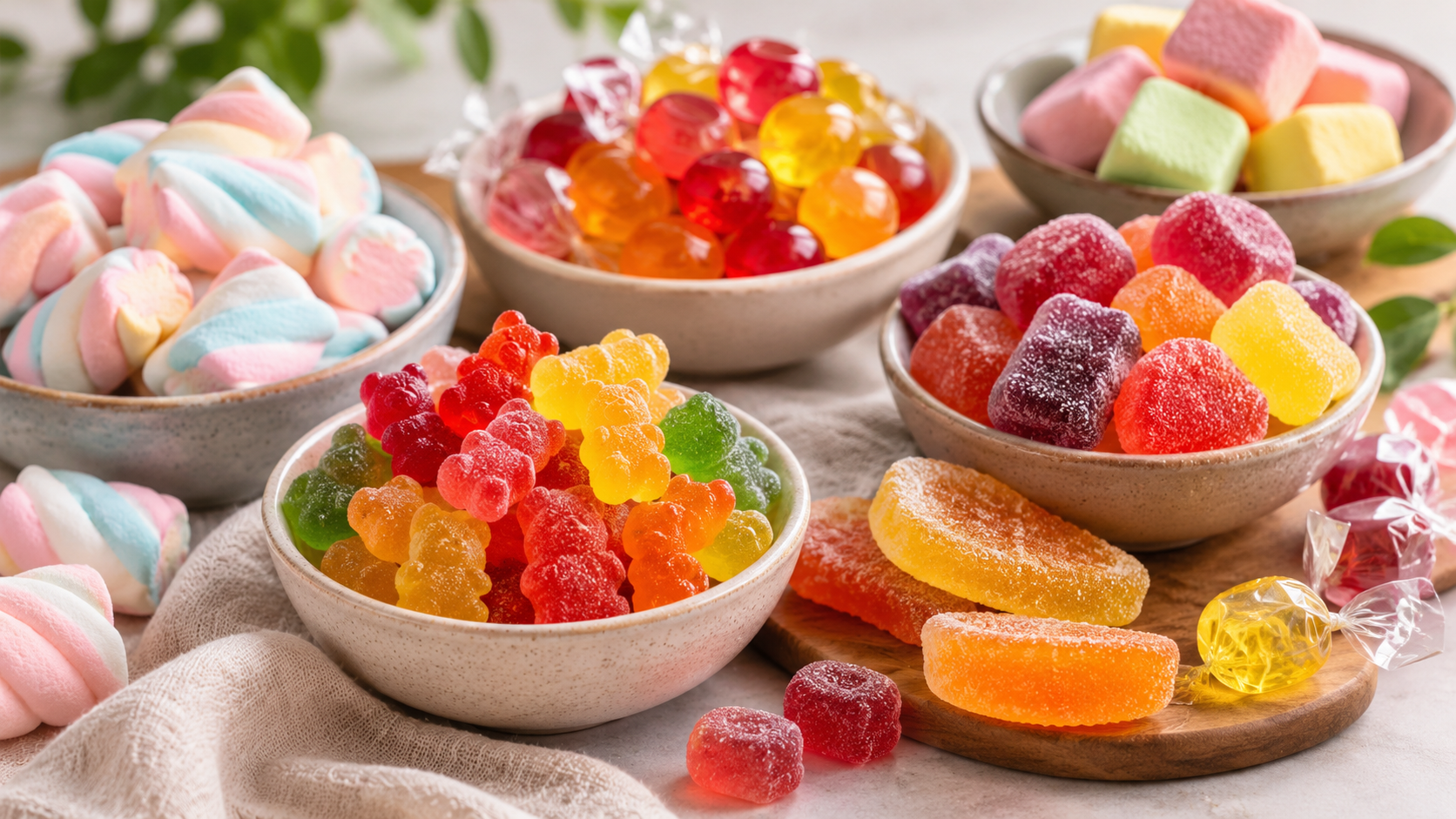
Although natural pigments provide opportunities for colour development, their performance can vary depending on the formulation and processing environment. Selecting a suitable natural food colour therefore requires consideration of several factors.
Colour Appearance and Consistency
Natural pigments can be used to enhance or intensify the original colour of food products, provide colour to otherwise colourless foods and support consistent coloration. However, achieving consistent colour can be challenging, as pigment instability may lead to colour changes and variations between production batches. Manufacturers therefore need to consider the colouring properties and stability of different pigments when developing products with specific colour requirements. 2
Colour Stability
Natural pigments can be sensitive to environmental and processing conditions, including temperature, light, oxygen and pH. Exposure to these factors may cause pigment degradation, resulting in colour fading or changes during processing and storage.
Stabilisation techniques, such as encapsulation, have been explored to help protect natural pigments and improve their stability in confectionery formulations.1
Formulation Compatibility
The incorporation of natural pigments into confectionery products requires consideration of their compatibility with other formulation components. Factors such as solubility, compatibility with sugar matrices, processing temperature, pH and interactions with other ingredients can influence pigment performance.
As different confectionery products have distinct formulation characteristics and processing requirements, a natural colour solution suitable for one application may not necessarily perform in another. 1
Exploring Natural Food Colour Solutions with Symega NECOL™
Selecting the right natural food colour is an important part of developing visually appealing confectionery products. DPO International works with industry partners such as Symega Food Ingredients to provide manufacturers with access to natural colour solutions and ingredient options for different food applications.
Symega’s NECOL™ and NatureHue™ ranges feature plant-derived pigments and extracts, offering a variety of colour options for food manufacturers. These include orange shades from carotenoid pigments found in paprika and annatto, red shades from sources such as beetroot, black carrot, red radish and hibiscus, as well as green shades derived from chlorophyll sources like alfalfa and Napier grass, among other natural colour options. These solutions are developed with considerations such as colour stability, solubility and flavour neutrality, making them worth exploring across various food applications, including confectionery.
Our Application & Recipe teams have developed the Mellora Marshmallow concept to showcase how different ingredient solutions can come together in confectionery development. The formulation features natural colour solutions from Symega alongside other functional ingredients, demonstrating their application in a finished product concept. Click here to explore the recipe.
Exploring Other Food Applications
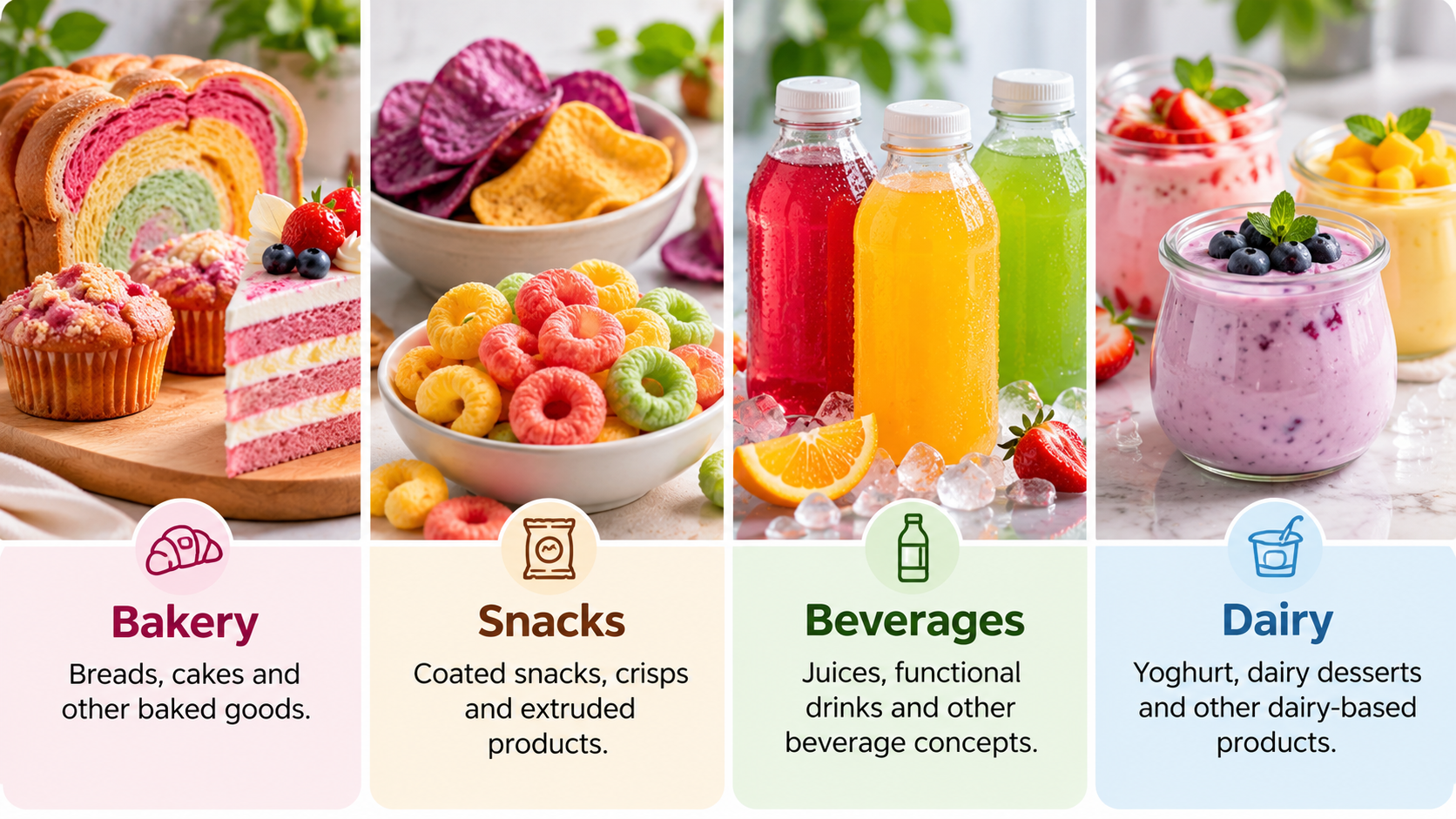
While confectionery offers opportunities to experiment with vibrant colours and different product variations, natural food colour solutions can also be explored across a wider range of food categories.
Depending on the pigment, formulation and processing requirements, natural colours can be incorporated into applications such as:
Let’s Bring Your Next Product Idea to Life
The right colour can make a product stand out, but finding the right ingredient solution takes the right expertise. Whether you’re exploring natural food colours for confectionery or looking to develop new food concepts, DPO International works with trusted industry partners to help bring your ideas to life.
Contact our team to discover ingredient solutions for your next product innovation.