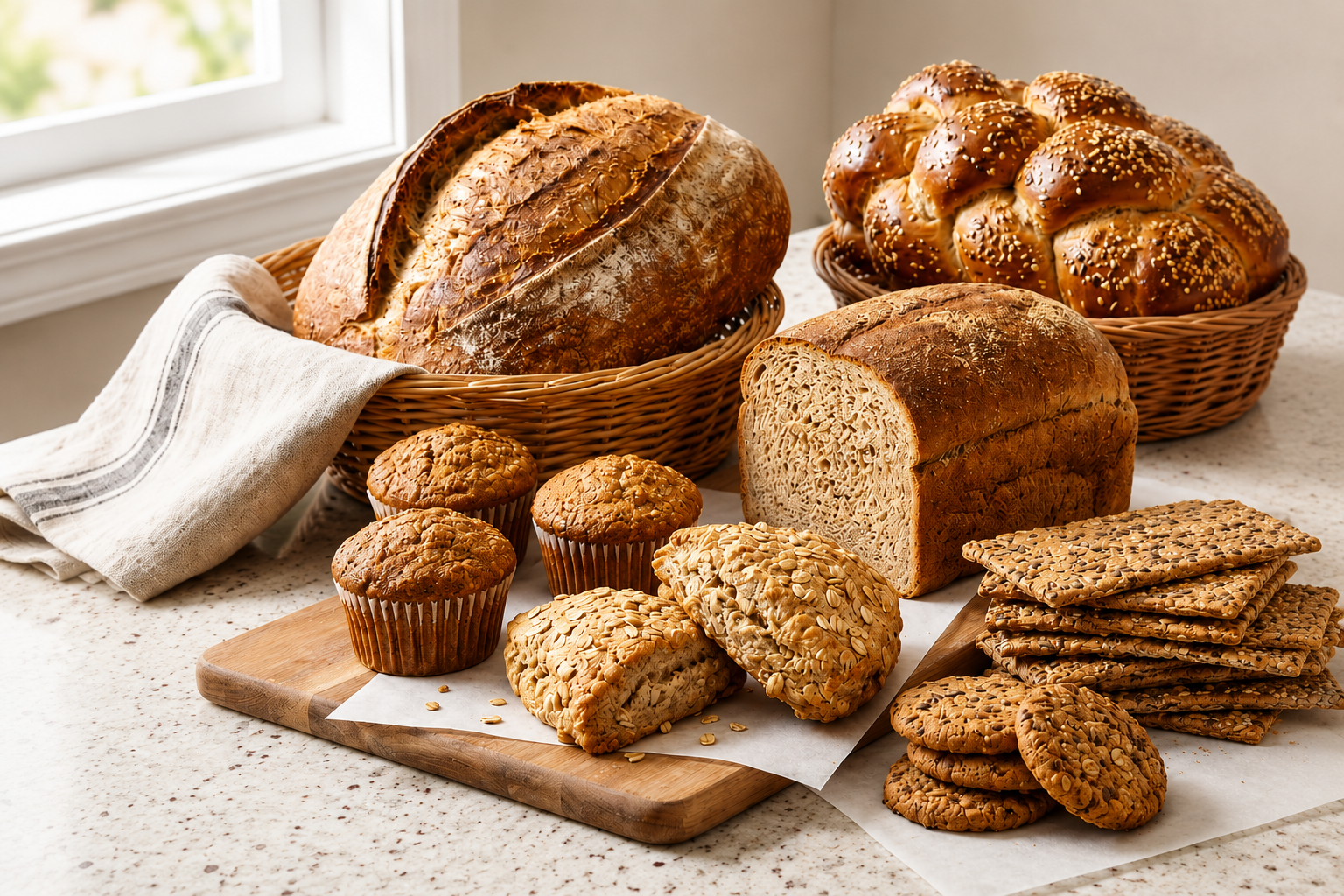
World Baking Day has long been associated with indulgence — the comfort, creativity, and enjoyment that baked goods bring to everyday life. However, as consumer expectations continue to evolve, high fibre bakery products are becoming increasingly important as manufacturers respond to growing demand for products that support nutrition, gut health, and overall wellness.
Across today’s bakery industry, consumers are no longer looking at baked goods purely as occasional treats. Increasingly, they are also paying attention to nutritional value, ingredient choices, functionality, and how products fit into their overall lifestyle. Taste may still attract consumers first, but in many cases, it is no longer enough on its own to sustain long-term preference.
For manufacturers, this raises an important question:
Is indulgence alone still enough to stay relevant in today’s evolving bakery market?
Why High Fibre Bakery Products Are Growing Beyond Indulgence
Traditionally, bakery products served a simple purpose — enjoyment. While indulgence remains essential, consumer expectations have expanded significantly in recent years.
Across global bakery trends in 2026, there is growing demand for products that can deliver more than flavour alone, with increasing interest in high fibre bakery products and functional ingredients that support nutrition, gut health, and overall wellness. 1
This has accelerated the demand for functional bakery products that combine indulgence with added nutritional value.
However, this shift does not mean consumers are abandoning indulgence altogether. Taste and enjoyment remain non-negotiable in bakery products. Many “better-for-you” products struggle not because the concept is weak, but because the eating experience no longer meets consumer expectations.
The Growing Complexity of High Fibre Bakery Product Development
As consumer expectations evolve, the role of manufacturers is evolving alongside them.
Product development today is no longer focused solely on taste, texture, and cost efficiency. It increasingly requires a more holistic approach that considers:
- Nutritional positioning
- Functional formulation
- Production scalability
- Shelf-life stability
- Market relevance
Balancing these elements is rarely straightforward.
In high fibre bakery product development, incorporating functional ingredients can affect structure, flavour delivery, texture consistency, and processing performance. At industrial scale, even small formulation adjustments can create operational challenges across manufacturing and distribution.
This means bakery innovation is becoming less about simply adding ingredients, and more about developing formulations that can successfully balance nutrition, functionality, taste, and production realities.
For manufacturers, the challenge is not simply to follow trends, but to develop products that remain commercially viable, scalable, and enjoyable to consume.
High Fibre Functional Ingredients in Bakery Applications
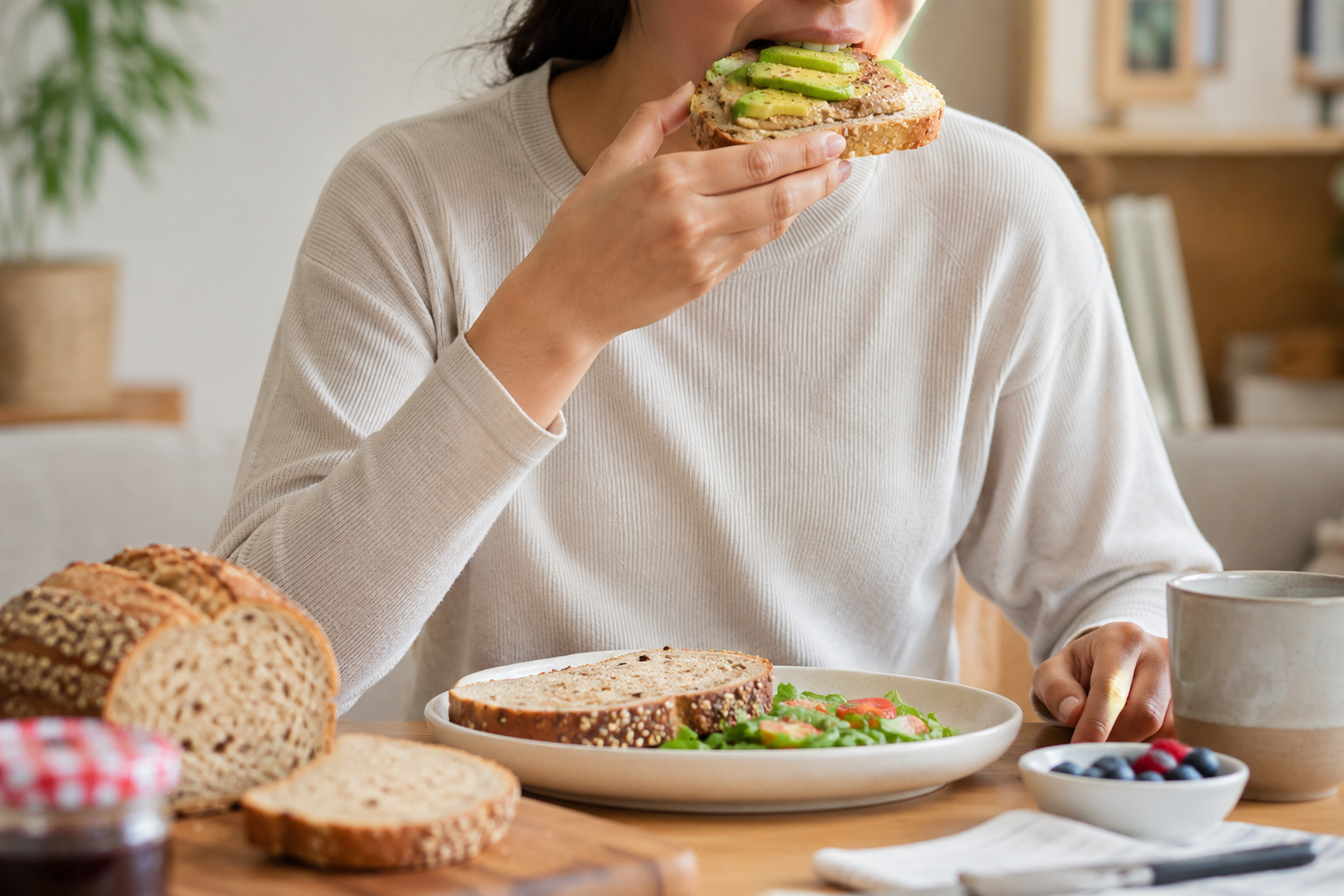
As demand for high fibre bakery products continues to grow, manufacturers are rethinking how bakery formulations are developed from the ground up.
Ingredients used in high fibre bakery products are no longer selected solely for structure or flavour contribution. They are also evaluated based on the broader nutritional and functional benefits they can deliver to the final product.
Examples of High Fibre Functional Ingredients in Bakery Applications
Ingredient | Functional Role | Why It Matters in Industrial Baking |
Prebiotic Fibre | Supports gut health and digestive function | Enables fibre enrichment while helping maintain product structure and consistency |
Chia Ingredients | Source of omega-3 and fibre | Enhances nutritional profile while contributing to texture and visual appeal |
These examples reflect how bakery formulation is evolving across the industry. Ingredients today are increasingly selected not only for their technical functionality, but also for their ability to support fibre enrichment, nutritional positioning, and broader consumer demand for wellness-focused bakery products.
As bakery expectations continue to evolve, manufacturers are navigating a more demanding and increasingly competitive landscape. Success is no longer defined solely by indulgence, but by the ability to develop products that can deliver both enjoyment and added value within scalable production systems.
At DPO International, we work closely with partners including BENEO and Benexia to support manufacturers with functional ingredient innovation for high fibre bakery applications, from product development to market readiness.
Because in today’s bakery landscape, indulgence may still attract consumers first, but added value is increasingly what keeps products relevant.