For decades, chickpeas have been a quiet staple in kitchens and food traditions around the world. Rarely seen as a driver of food innovation, they have long been overshadowed by trendier plant proteins.
Yet today, as the food industry searches for solutions that combine nutrition, clean labelling, and formulation versatility, this easily missed ingredient—dubbed the “King of Beans”—is beginning to attract a very different kind of attention. In particular, chickpea powder is emerging as a high-performance ingredient for manufacturers looking to develop better-for-you food products at scale.
Why Food Innovators Are Turning to Chickpea Powder
One of the biggest challenges in modern food development is finding ingredients that deliver both nutrition and functionality without compromising taste or clean-label positioning.
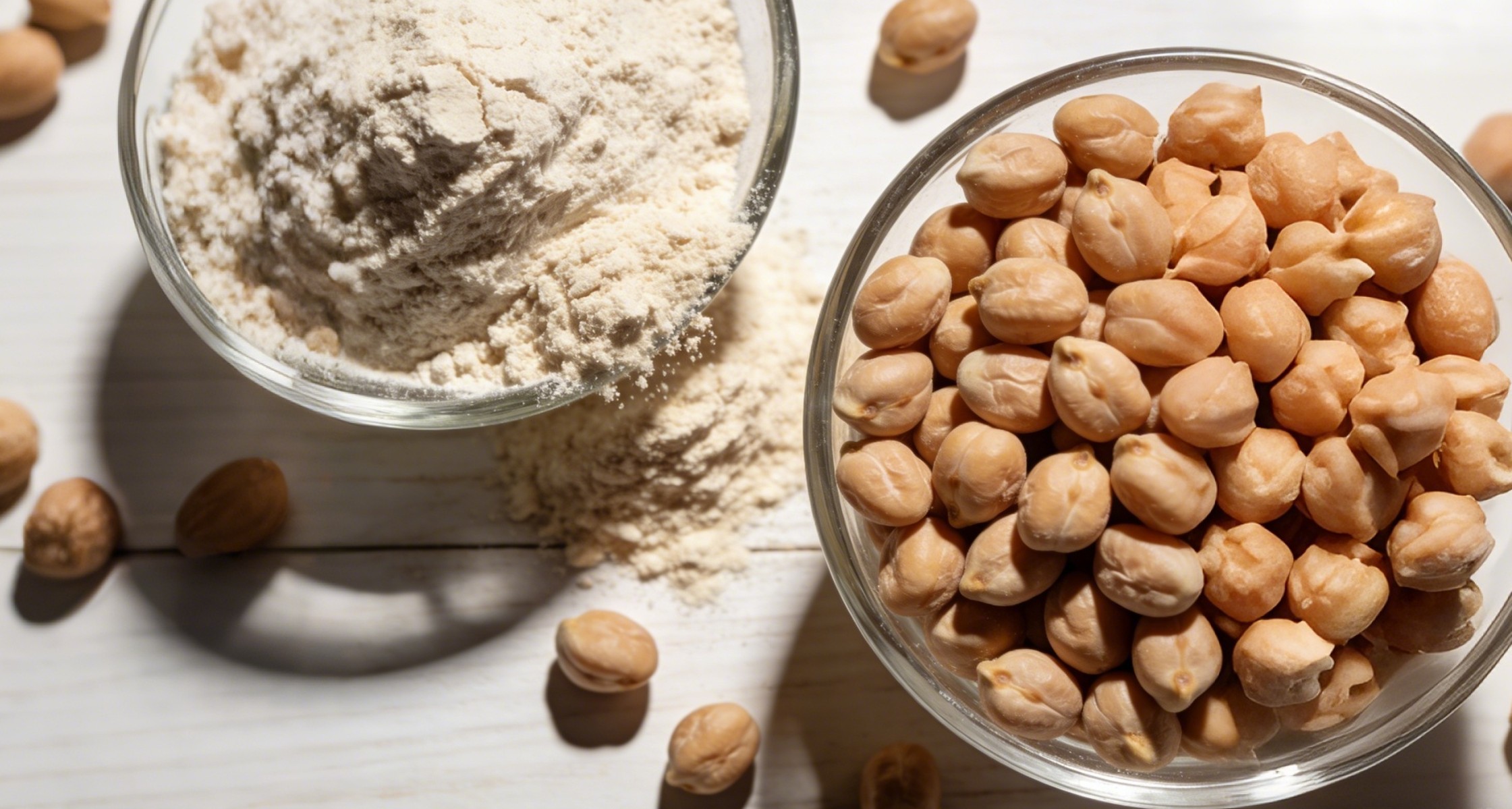
Chickpea powder offers an unusual balance. It provides high-quality plant protein, substantial dietary fibre, and a low glycaemic index (GI 33–36), making it suitable for a wide range of health-oriented formulations. Per 100 grams, chickpea powder contains over 23 g of protein and around 12 g of dietary fibre, while also supplying 18 essential amino acids and key minerals such as potassium, iron, zinc, and magnesium.
Equally important for product developers, chickpea powder is naturally free from common allergens including wheat, soy, dairy, and eggs. This makes it compatible with gluten-free, plant-based, and allergen-friendly formulations—qualities that are becoming difficult to ignore in an industry increasingly shaped by clean-label expectations and health-conscious consumers.

The Real Driver: A New Type of Consumer
Industry projections show the global chickpea market growing at around 7.1% CAGR from 2025 to 2034, outperforming many traditional agricultural sectors. At the same time, production volumes are increasing steadily at approximately 4.5% annually, helping to ensure a more stable and reliable supply base.
In markets such as China, the core audience driving this growth consists of urban professionals aged 25–45 who are highly educated and ingredient-conscious. They actively manage their sugar intake and overall nutrition, and are willing to pay a premium for clean-label, functional foods.
These consumers also play a significant role in amplifying food trends through social platforms and digital communities, accelerating the positioning of chickpeas as a modern superfood ingredient rather than just a traditional pantry staple.
Together, the combination of strong consumer demand and improving supply fundamentals positions chickpea as a particularly promising ingredient for long-term product development.
Where Chickpea Powder Fits in Food Innovation
What appears to be a simple agricultural ingredient is becoming a strategic growth category in functional foods. Across the food industry, innovators are already incorporating this ingredient into a growing list of applications:
- Better-for-you snacks
- Plant-Based Dairy Alternatives
- Bakery & Confectionery
- Instant Nutrition Beverages
This broad application potential is also why brands are incorporating chickpea ingredients into next-generation food innovations.

For food manufacturers looking to innovate, chickpea powder offers a compelling combination:
- Strong nutritional story
- Clean-label compatibility
- Functional nutrition
- Broad functionality across snacks, bakery, beverages, and nutrition products
With consumer demand for plant proteins, clean labels, and nutrient-dense foods continuing to rise, chickpea powder is poised to become a cornerstone ingredient in the next generation of food innovation.
In other words, the “King of Beans” is just getting started.
Bringing Chickpea Potential into Real Products
Ready to bring chickpea potential into real products? Döhler’s chickpea powder range offers a smart starting point.
Made from premium large Turkish chickpeas, these solutions deliver a mild, clean taste, reliable quality, and strong nutritional value across bakery, beverages, dairy and beyond.
Looking for your next standout concept or curious to explore proven market successes?
Get in touch via the Contact Us page and explore how Döhler’s chickpea powder can unlock your next innovation.
This article is adapted from Döhler’s Chickpea Powder Report (January 2026), prepared by Döhler GCI Marketing.