Are Alternative Flours Healthier? Debunking Common Flour Myths
Mar 19, 2026

QUICK MARKET INSIGHTS

The Shift:

Growing demand for healthier, functional, and gluten-free bakery ingredients.

The Trend:

Alternative flours like rice, almond, and chia are increasingly used for texture, nutrition, and product innovation.

The Opportunity:

Foodservice operators can differentiate products, meet dietary demands, and enhance baking performance.

Every year on World Flour Day, we celebrate one of the most fundamental ingredients in the global food industry. From artisan breads to pastries and noodles, flour remains essential in both baking and foodservice applications.

Today, however, conversations around healthy flour alternatives, gluten-free baking, and non-wheat flour options have become increasingly common. As consumers grow more conscious about carbohydrates, gluten, and food processing, flour is often misunderstood.

But is flour really the problem, or are some of these concerns based on misconceptions?

What’s Changing: Modern Consumer Expectations During CNY?

Myth 1: All Flour Cause Weight Gain


A common belief is that foods made with flour automatically lead to weight gain because they contain carbohydrates. However, weight gain is influenced by overall calorie intake and lifestyle habits rather than a single ingredient. When consumed in moderation as part of a balanced diet, flour-based foods can provide energy and nutrients, especially when using varieties such as whole grain flours.

Myth 2: Alternative Flours Cannot Deliver Good Texture

There is a common perception that non-wheat flours produce dry, dense, or crumbly products. With the right formulation and technical expertise, alternative flours can achieve excellent structure, moisture retention, and mouthfeel in both baked goods and pasta. Examples of non-wheat flours include rice flour, almond flour, and chickpea flour, which are increasingly used in food innovation to deliver both functionality and nutritional benefits.

Myth 3: Flour Has No Functional Benefits


Many people assume flour only provides structure in baked goods. However, different types of flour can also offer functional benefits such as moisture control, fat replacement properties, improved shelf life, and added nutritional value. These functionalities make flour an important ingredient not just for texture, but also for enhancing overall product quality and formulation performance.


Choosing the Right Flour for Modern Baking

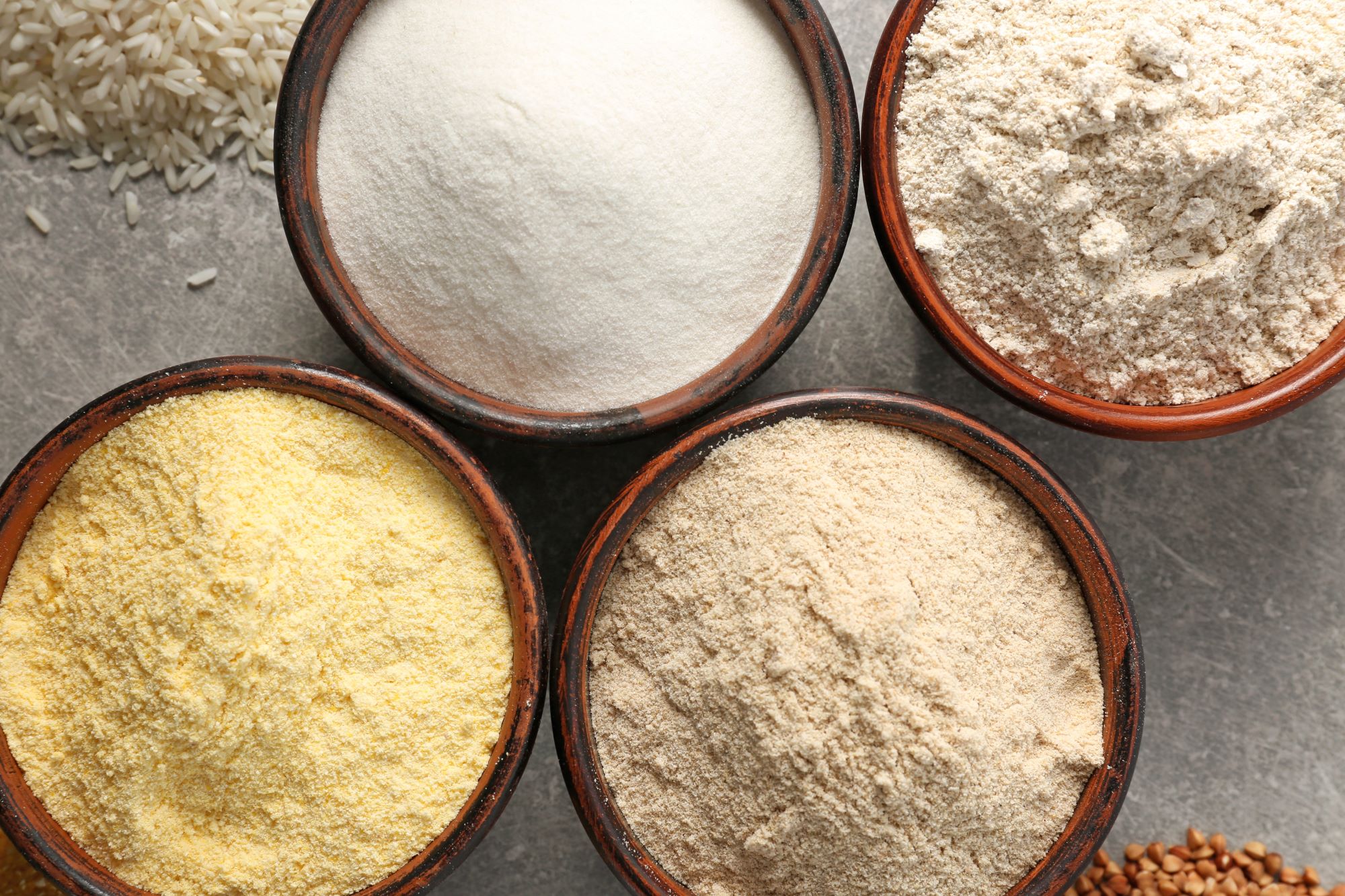
Today, the market offers a wide variety of flours, and with smarter flour solutions, foodservice operators can achieve more than just basic structure. Here are several flour options that showcase how diverse and functional flour can be:

Type of Flour

Technical Benefits

Nutritional Benefits

Applicable Products

Rice Flour

Light texture, fine particle size, easy to hydrate

Light texture, gluten-free, easy digestibility

Cakes, cookies, noodles, gluten-free breads

Chia Flour

Excellent water absorption, binding, moisture retentionHigh in fibre, omega-3s, adds moisture and bindingMuffins, breads, smoothies, energy bars

Almond Flour

Adds tenderness, maintains structure, retains moisture

High in protein and healthy fats, nutty flavor, tender crumb

Pastries, cookies, cakes

Gluten-Free Flour

Versatile functionality, mimics wheat texture, stable in baking

Versatile blends, suitable for celiac-friendly products, functional performance

Breads, muffins, pancakes, baked snacks


Why Alternative Flours Are Growing in Popularity?

front-view-female-cook-rolling-out-dough-with-flour-dark-cake-job-oven-hotcake-bake-worker-egg-cuisine-dough

The demand for alternative flours in baking and foodservice has increased as consumers look for healthier, more functional ingredients. Several trends are driving this shift:

  • Growing demand for gluten-free products
  • Interest in high-protein and high-fibre food
  • Greater awareness of plant-based ingredients
  • Expansion of specialty diets such as low-carb and keto baking

These trends are encouraging foodservice operators to experiment with non-wheat flours that offer both nutritional and functional benefits.


Maximising the Potential of Alternative Flours in Foodservice

At DPO International, we help foodservice operators harness the benefits of alternative flours. By selecting the right flour for each product, operators can:

  • Improve product texture and shelf-life
  • Offer nutritionally enriched menu items
  • Meet gluten-free or specialty dietary requirements
  • Innovate with unique flavors and formats

Looking to develop or improve your alternative flour-based products?
Connect with our team to explore tailored ingredient and formulation solutions for your market.

Frequently Asked Questions about Alternative Flours

Alternative flours can be healthier than regular wheat flour as they often contain more fibre, protein, and functional nutrients. However, their overall health benefits depend on the type of flour used and how the final product is formulated.

The healthiest flour depends on the intended nutritional goal. Almond flour is high in healthy fats, chickpea flour offers higher protein, while whole grain flours provide more fibre compared to refined wheat flour.

Alternative flours are often considered healthier because they deliver enhanced nutritional profiles, including higher fibre, protein, and micronutrients, while supporting specialised dietary needs such as gluten-free or low-carb diets.

Almond flour is generally healthier than regular flour due to its lower carbohydrate content and higher levels of protein and healthy fats. However, it is more calorie-dense and must be used appropriately in formulation.

Flours that are lower in refined carbohydrates and higher in fibre or protein, such as almond or coconut flour, may support weight management when used within a balanced diet and controlled calorie intake.

Gluten-free flour is not inherently healthier than wheat flour. It is essential for individuals with gluten intolerance, but its nutritional value varies widely depending on the ingredients used in the blend.

The best alternative flour for baking depends on the application. Almond flour works well for moist baked goods, while rice flour and gluten-free blends are commonly used to achieve structure and consistency.

Alternative flours cannot always directly replace wheat flour due to the absence of gluten and different functional properties. Most applications require reformulation or blending to achieve similar results.

Alternative flours are gaining popularity due to increasing demand for gluten-free, plant-based, high-protein, and functional food products, driven by evolving consumer preferences and health awareness.