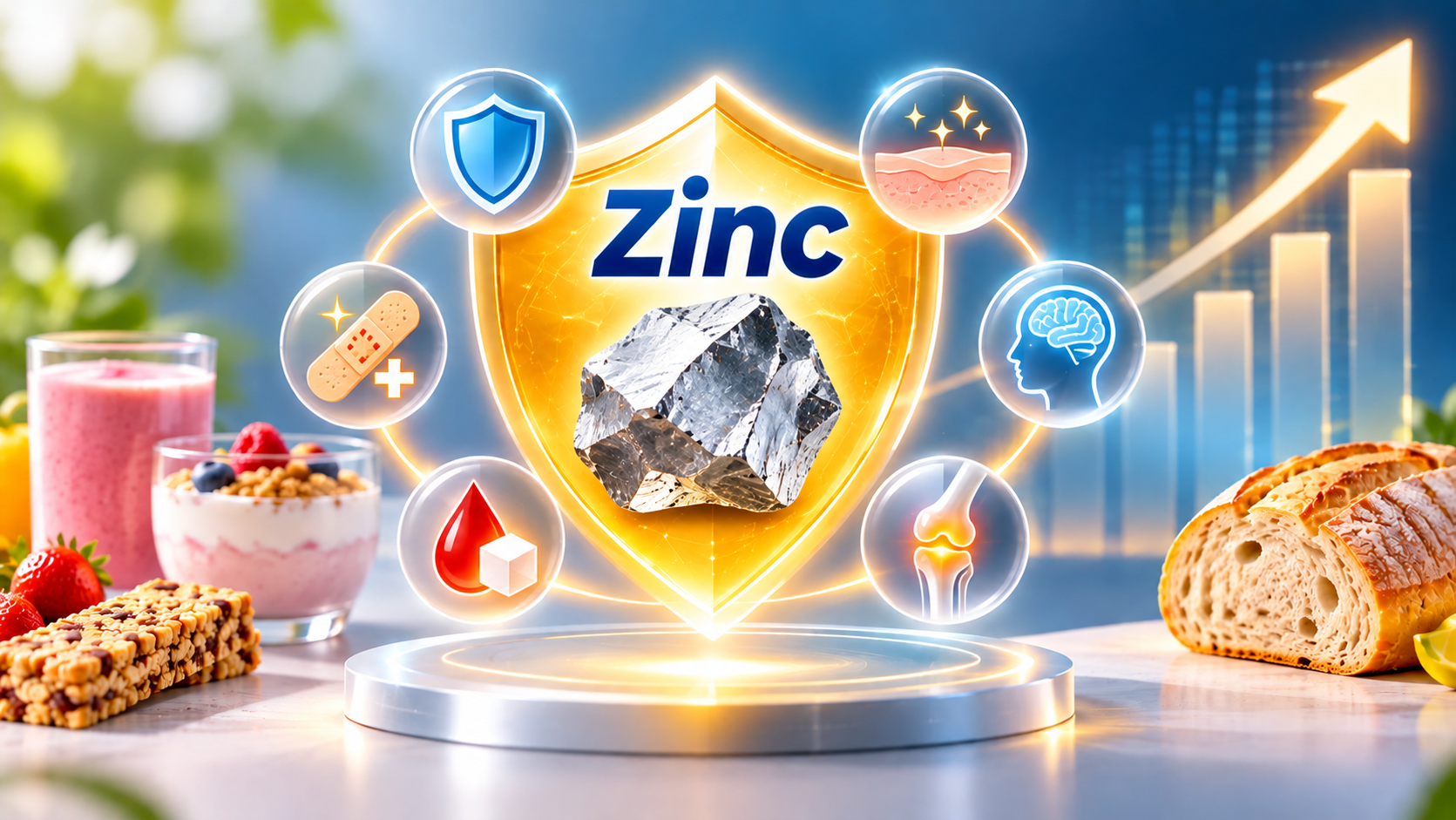
Although zinc has been used in dietary supplements and fortified foods for decades, 2027 is shaping up to be a year of potential opportunities for this essential trace mineral. Growing consumer demand for immune resilience, metabolic health, healthy aging, women’s wellness, and preventative nutrition is elevating zinc from a traditional micronutrient to a strategic functional ingredient.
What is driving this momentum is not novelty, but science. Recent clinical and mechanistic research continues to uncover zinc’s involvement in immune regulation [1], metabolic regulation and inflammation [2], skin health and wound repair [3–5], pregnancy and infant outcomes [6], and cellular homeostasis [7]. These findings are expanding zinc’s relevance across multiple nutrition categories while reinforcing the need for effective food fortification strategies to address persistent micronutrient gaps worldwide.
For food and beverage manufacturers, zinc presents a unique opportunity: a single ingredient capable of supporting multiple consumer health needs while aligning with growing demand for evidence-based nutrition. For brands looking to capitalize on this opportunity, ingredient selection, formulation expertise, and regulatory compliance are critical. This is where DPO International supports customers through ingredient sourcing, technical consultation, regulatory guidance, and end-to-end food fortification solutions.
Why Would Zinc Be Potentially Trending Again in 2027?
The resurgence of zinc is being driven by a combination of consumer demand and scientific validation. Unlike many trending ingredients that target a single health outcome, zinc supports the body in many ways, including:
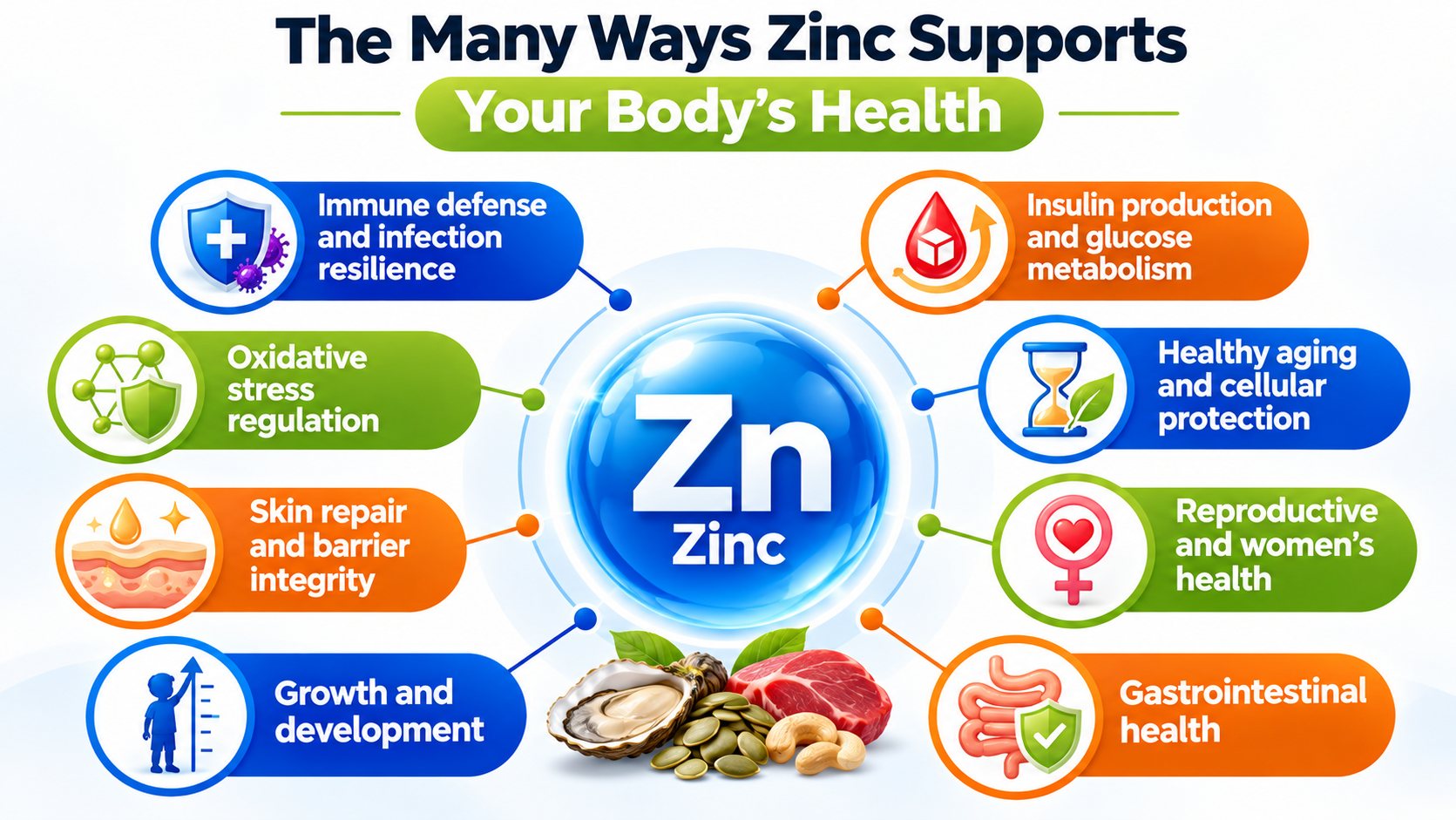
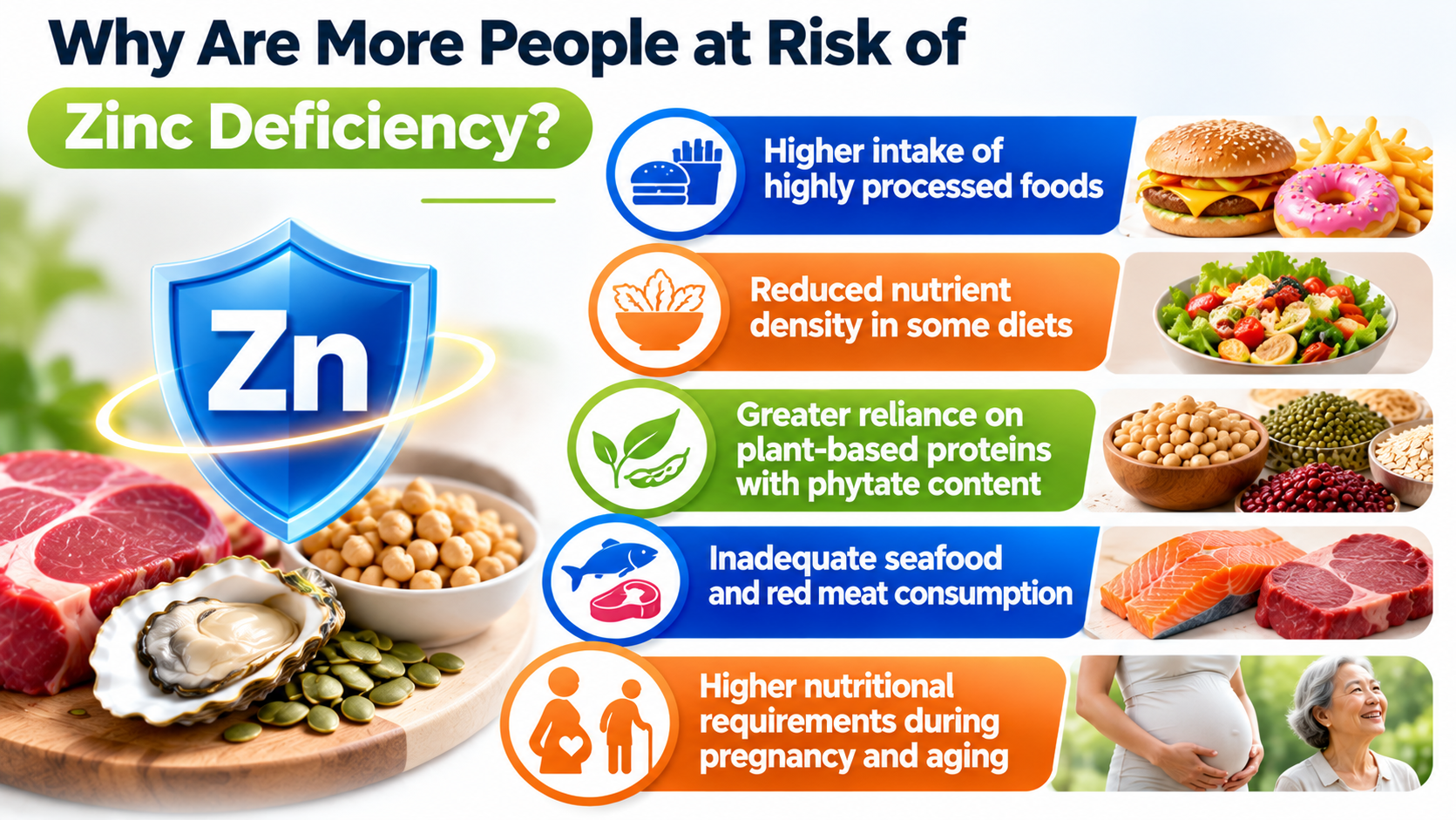
Importantly, zinc inadequacy remains a global nutritional concern. Groups that may warrant particular attention include older adults with documented zinc deficiency [8], vegetarians and vegans with low zinc status [1], people consuming high-phytate diets that can reduce zinc absorption [9], pregnant women [6], and people with diabetes or other metabolic conditions in whom zinc supplementation has been studied [2].
This dual dynamic of persistent deficiency and expanding scientific evidence is transforming zinc from an established nutrient into an emerging commercial opportunity.
Key Consumer Drivers Behind Zinc Demand
Immunity Remains a Priority
Consumer interest in immunity continues to dominate online searches and functional food purchasing decisions. Some areas of potential consumer interest include:
- Zinc as a gatekeeper of immune function
- Best zinc for immune system support
- Zinc for prevention and treatment of the common cold
- Foods that contain zinc
A 2025 human study in zinc-deficient vegetarians and vegans found that zinc supplementation improved zinc status and restored aspects of the antiviral interferon-α response, including upregulation of interferon regulatory factor 3 [1]. This provides human evidence linking zinc status with an immune-response pathway, although the findings should not be generalized to all consumers or interpreted as proof that supplementation prevents infections.
In people with diabetes, a 2026 systematic review and meta-analysis of randomized trials reported improvements in selected markers related to insulin resistance, inflammation, and oxidative stress following zinc supplementation. However, fasting glucose and HbA1c were not significantly improved, so these findings should not be interpreted as evidence that zinc treats or prevents diabetes [2].
This distinction is increasingly important because consumers are shifting away from “immune boosting” claims and toward ingredients that support long-term immune resilience and immune balance.
Metabolic Health Is Becoming a Major Growth Area
One of the fastest-growing search topics today that are highly relevant to zinc focuses on blood glucose regulation and diabetes management.
Common searches include:
- Zinc and insulin in diabetes management
- Can zinc deficiency cause diabetes?
- How does zinc influence insulin production and blood sugar levels?
Clinical research has examined zinc supplementation in relation to insulin resistance and metabolic markers in people with diabetes [2].
At the cellular level, zinc is involved in many enzymatic and regulatory processes. However, the clinical evidence summarized here does not establish that zinc supplementation improves diabetes outcomes.
In addition, researchers have identified zinc as an important regulator of:
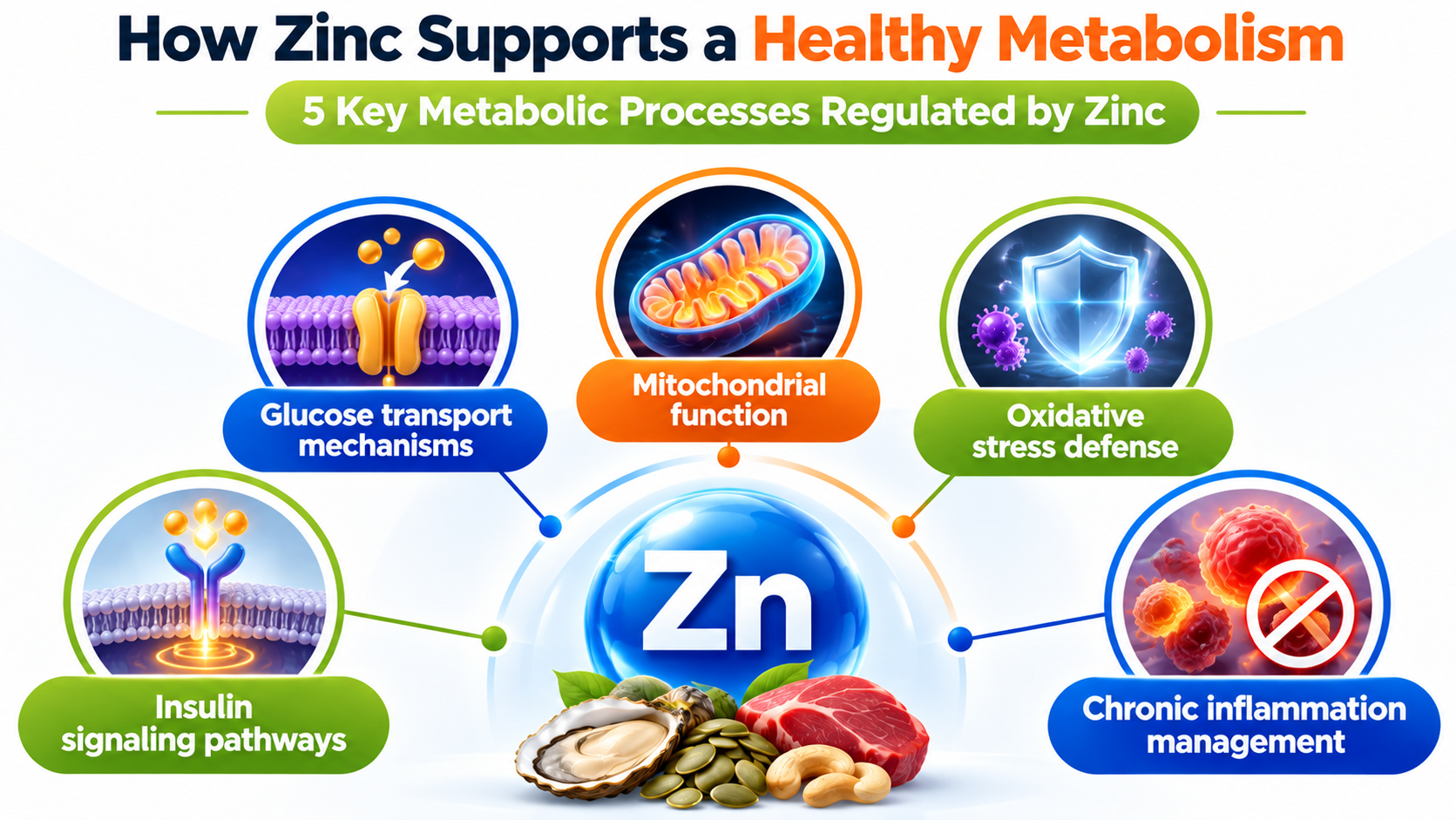
A 2026 systematic review and meta-analysis of randomized trials in people with diabetes reported a reduction in HOMA-IR and selected inflammatory and oxidative-stress markers, but did not find significant improvements in fasting glucose or HbA1c [2].
These findings suggest that zinc status may be relevant to metabolic pathways, but they do not establish zinc supplementation as a treatment for impaired insulin sensitivity or metabolic disease. A separate review describes zinc’s roles in intracellular organelle homeostasis, including mitochondria, at a mechanistic level [7].
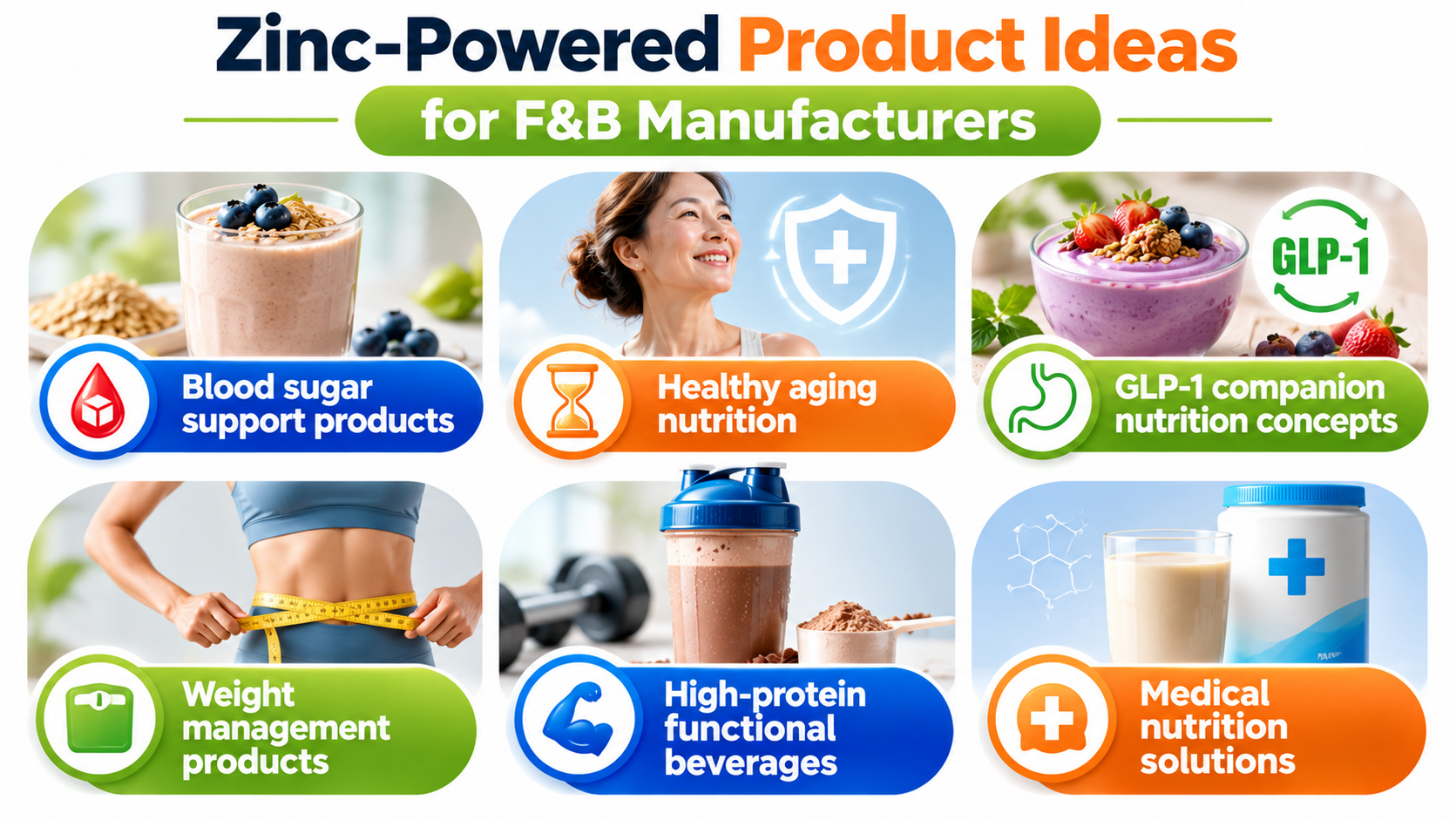
For food manufacturers, this research creates opportunities in:
Consumers Are Looking Beyond Vitamins for Healthy Aging
McKinsey’s 2026 Future of Wellness report describes a broader consumer shift from managing health toward actively optimizing it, including interest in biohacking and consumer diagnostics. It does not establish healthy aging and longevity as the fastest-growing categories in 2027 [11].
While vitamins remain important, consumers are increasingly seeking nutrients that influence the fundamental biological processes associated with aging. Zinc is emerging as one such nutrient.
Recent reviews discuss zinc’s involvement in cellular homeostasis and organelle function, including mitochondrial processes [7], while a separate review examines links between zinc, cellular senescence, skin aging, and wound healing [5]. These are mechanistic and review-level findings, not evidence that zinc supplementation slows human aging.
Zinc is involved in immune regulation and cellular stress-response pathways, but the sources cited here do not establish that zinc supplementation prevents age-related functional decline in humans [7].
This means zinc is not simply supporting one aspect of aging. Rather, it may contribute to multiple systems that collectively influence healthy longevity.
Zinc and Food Fortification: A Growing Opportunity
Why Food Fortification Matters More Than Ever
Assessing zinc status can also be challenging because deficiency may produce nonspecific effects. A 2026 review concluded that plasma or serum zinc remains a useful status marker and that urinary zinc excretion may provide complementary information; combining blood and urinary measurements may improve assessment, although further validation is needed [10].
Despite its importance, zinc deficiency remains one of the most prevalent micronutrient challenges globally.
Modern dietary patterns contribute to this challenge through:
Many symptoms of inadequate zinc intake, including fatigue, reduced immune resilience, poor wound healing, and impaired taste perception, can develop gradually and may go unrecognized.
Consequently, food fortification represents one of the most scalable and sustainable approaches to improving population zinc intake.
Zinc and Women’s Health: An Emerging Opportunity
Consumer searches around women’s health and micronutrient nutrition continue to expand.
A 2025 systematic review and meta-analysis of randomized trials evaluated zinc supplementation during pregnancy and reported selected maternal and infant outcomes, including maternal zinc status and measures related to fetal growth [6]. The findings support interest in adequate zinc nutrition during pregnancy, but do not establish benefits across every aspect of women’s health.
Skin Health and Beauty Nutrition Continue to Drive Innovation
The intersection between nutrition and beauty remains one of the most active areas of product development.
Popular searches include:
- Which zinc type is effective for skin inflammation?
- Zinc for eczema
- Zinc for psoriasis
- Zinc and skin health
Research reviews discuss zinc’s potential relevance to inflammatory skin conditions [3], wound healing [4], and skin aging and senescence [5]. The strength of evidence differs by outcome: clinical evidence for acne is suggestive, evidence in hidradenitis suppurativa is more limited, and wound-healing findings should not be generalized to all skin conditions [3–5].
These findings make zinc relevant to skin-health and beauty-from-within concepts, but they should not be presented as proof that oral zinc improves skin appearance in people who already have adequate zinc status.
Potential applications include:
- Nutricosmetics
- Collagen beverages
- Functional gummies
- Beauty supplements
- Protein-beauty hybrid products
Which Zinc Forms Are Used in Food Fortification?
No single zinc source is universally superior. The optimal choice depends on formulation goals, sensory requirements, bioavailability targets, processing conditions, and cost considerations. Most importantly, consumers should consult a certified healthcare professional to determine the most suitable zinc source for their individual needs.
Zinc Form | Key Advantage | Potential Applications |
Zinc Sulfate | Cost-effective and widely used | Beverages & premixes |
Zinc Citrate | Slight solubility | Flour, cereal and dry products. |
Zinc Oxide | Excellent stability for fortified foods | Supplements, gummies, functional food. |
Successful fortification therefore requires more than selecting a zinc source. Manufacturers must consider ingredient interactions, stability, dosage targets, sensory performance, and regulatory requirements throughout product development.
The Business Opportunity: Zinc as a Platform Ingredient
What makes zinc particularly attractive in 2027 is its ability to support multiple consumer health platforms simultaneously.
Historically, zinc was primarily associated with immune health. Today, scientific evidence supports its relevance across:
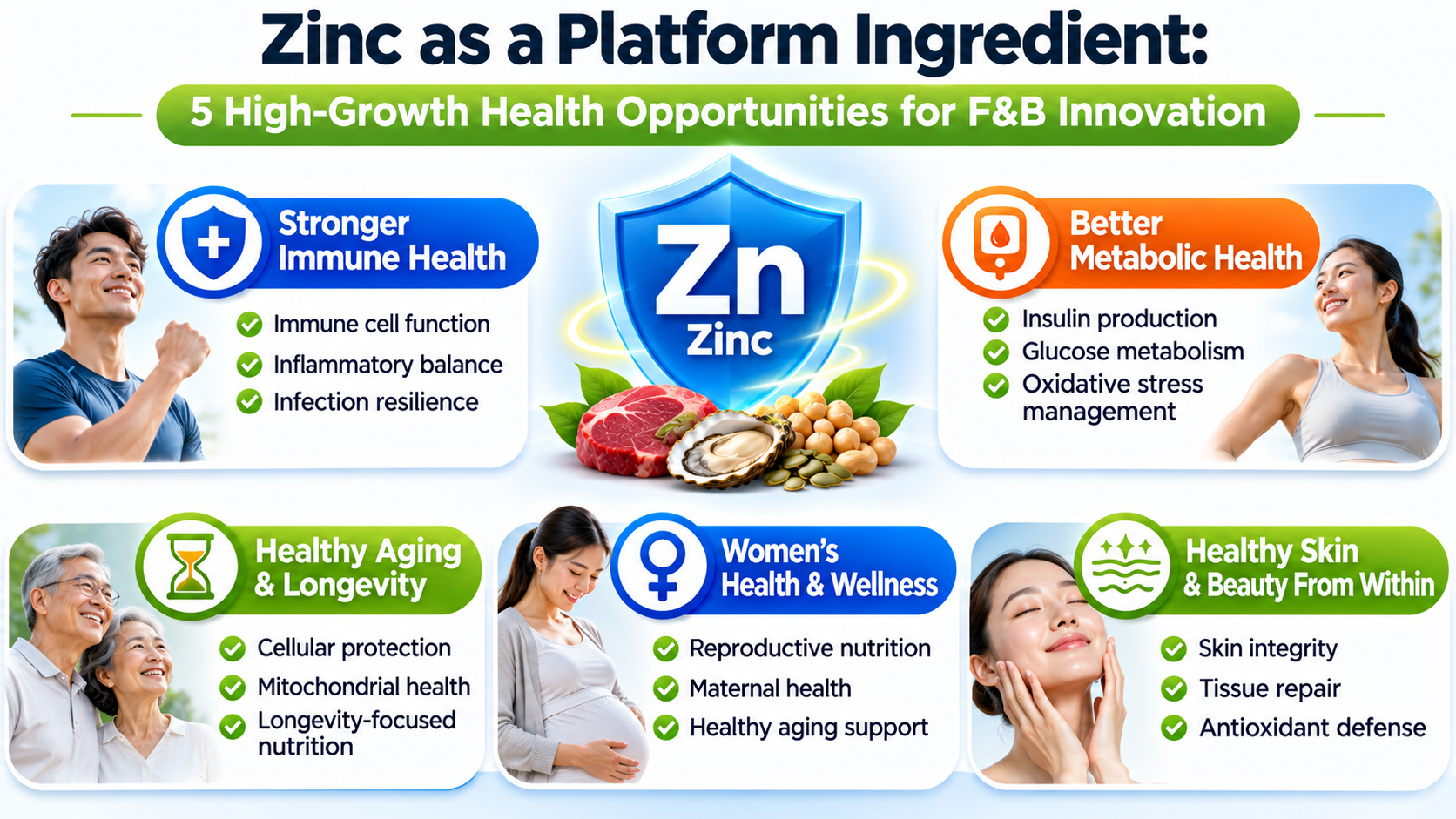
This versatility allows manufacturers to develop multiple product concepts around a single evidence-based ingredient platform, improving formulation efficiency and maximizing return on innovation investments.
How DPO International Supports Zinc Fortification Projects
Successful food fortification requires more than ingredient sourcing.
Manufacturers must navigate formulation complexity, ingredient interactions, regulatory frameworks, stability challenges, and evolving consumer expectations. The challenge is transforming a promising concept into a market-ready product. This is where access to trusted suppliers and solution providers matter.
At DPO International, we help bridge that gap. Through our partnership with Hexagon Nutrition Ltd and its vitamins and minerals portfolio, combined with our expertise in ingredient solutions and application development, we support food and beverage manufacturers in creating products that are not only nutritionally meaningful, but also commercially successful.
Because great products start with great ingredients, but successful products require the right partner behind them.