


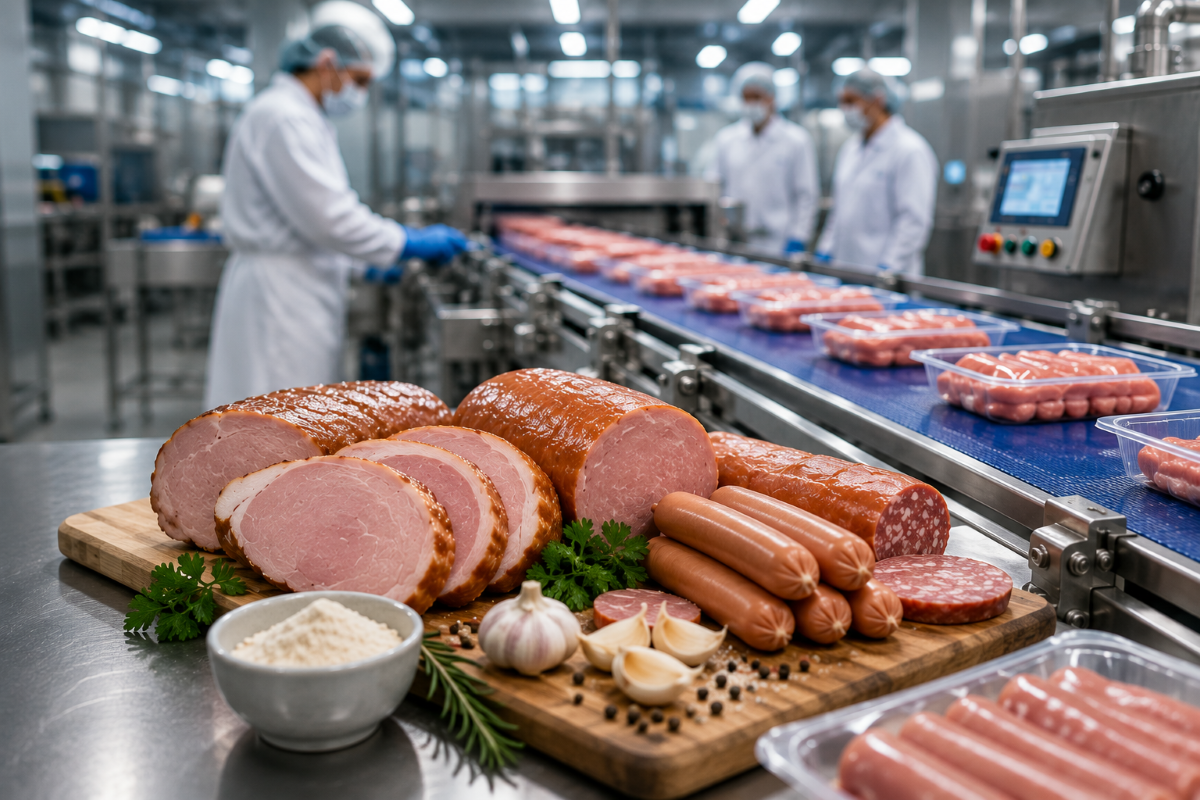
Today’s consumers expect more from processed meat products than ever before. Beyond great taste, they look for products that deliver consistent texture, high quality, longer shelf life, convenience, and increasingly cleaner labels and better nutritional value.
For manufacturers, meeting these expectations involves far more than selecting the right ingredients. Every stage of product development, from formulation and processing to regulatory compliance and commercialization, plays a role in determining whether a product succeeds in the market.
As competition intensifies across Southeast Asia, manufacturers are under growing pressure to deliver products that consistently perform throughout production, distribution, and retail. Success now depends on combining technical expertise, quality management, regulatory knowledge, and market intelligence into one integrated development strategy.
Why Processed Meat Manufacturing Is More Complex Than Ever
Developing a successful processed meat product means balancing multiple technical and commercial priorities simultaneously. Even small changes in raw materials, ingredient functionality, or processing conditions can influence product quality, manufacturing efficiency, and consumer acceptance.
Today, manufacturers are commonly challenged by four interconnected areas:
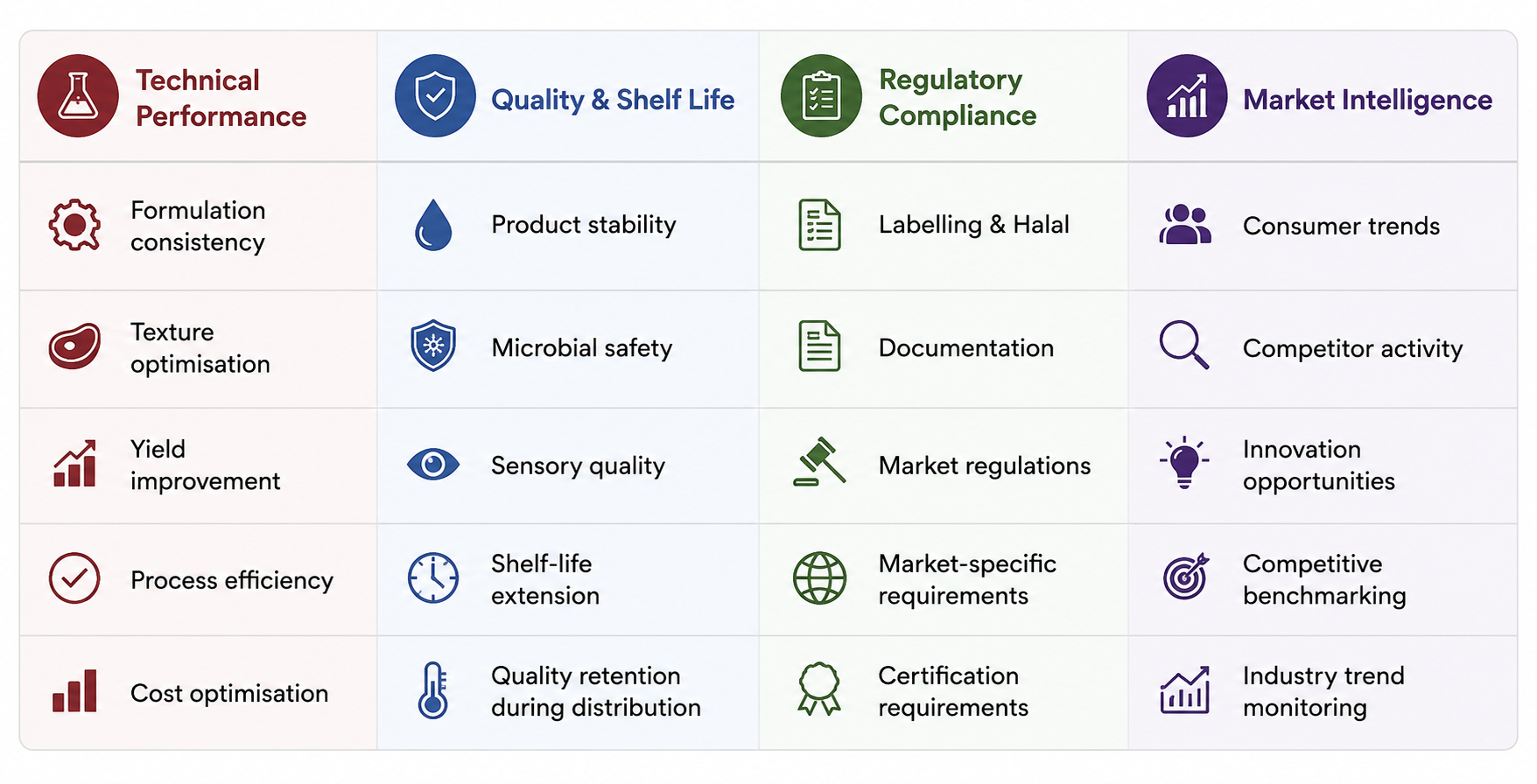
Critical Challenges Manufacturers Need to Address
1.Formulation Is Only the Starting Point
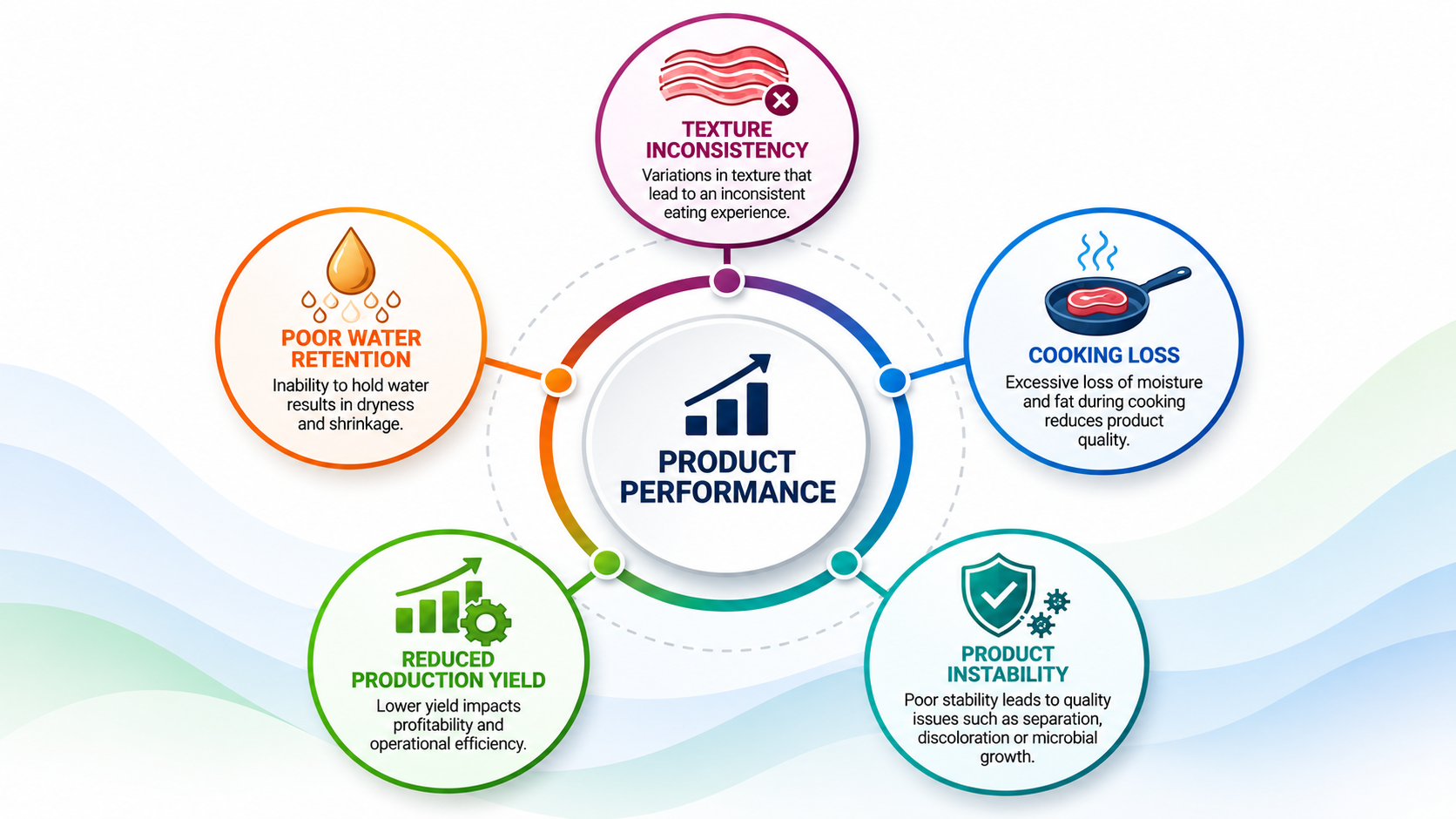
Creating a processed meat product with the desired texture, juiciness, and eating experience requires more than selecting quality ingredients. Variations in raw material quality, ingredient interactions, and processing parameters can significantly affect product performance.
2.Quality Must Continue Beyond Production
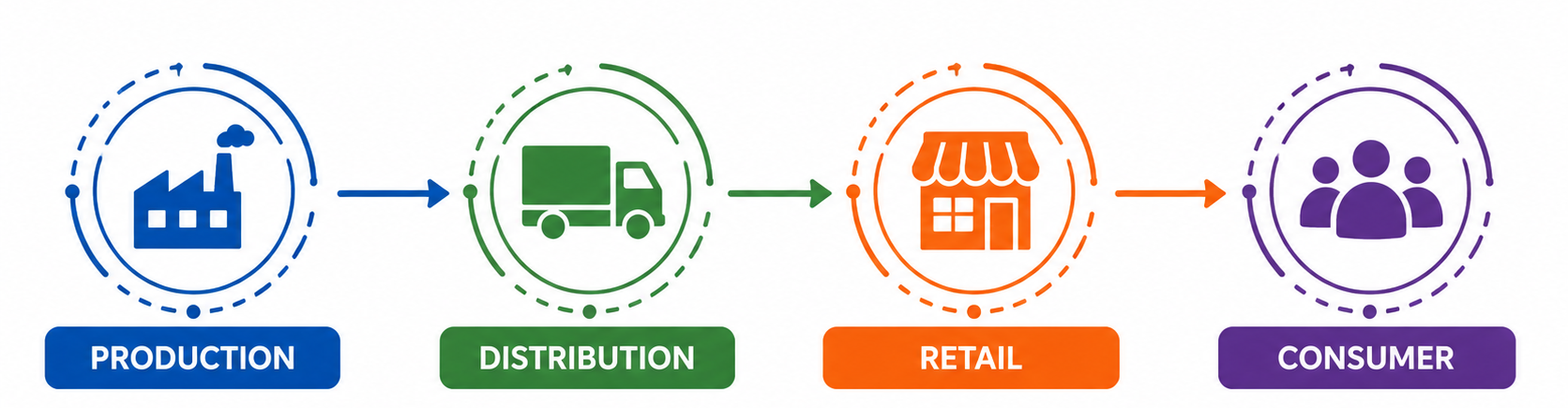
Successfully producing a processed meat product is only the beginning. Products must maintain their quality throughout transportation, storage and retail distribution until they reach consumers.
Maintaining shelf-life performance requires manufacturers to carefully manage several quality factors simultaneously such as oxidation control, moisture retention, microbial stability and sensory quality.
3.Meeting Increasing Regulatory Expectations
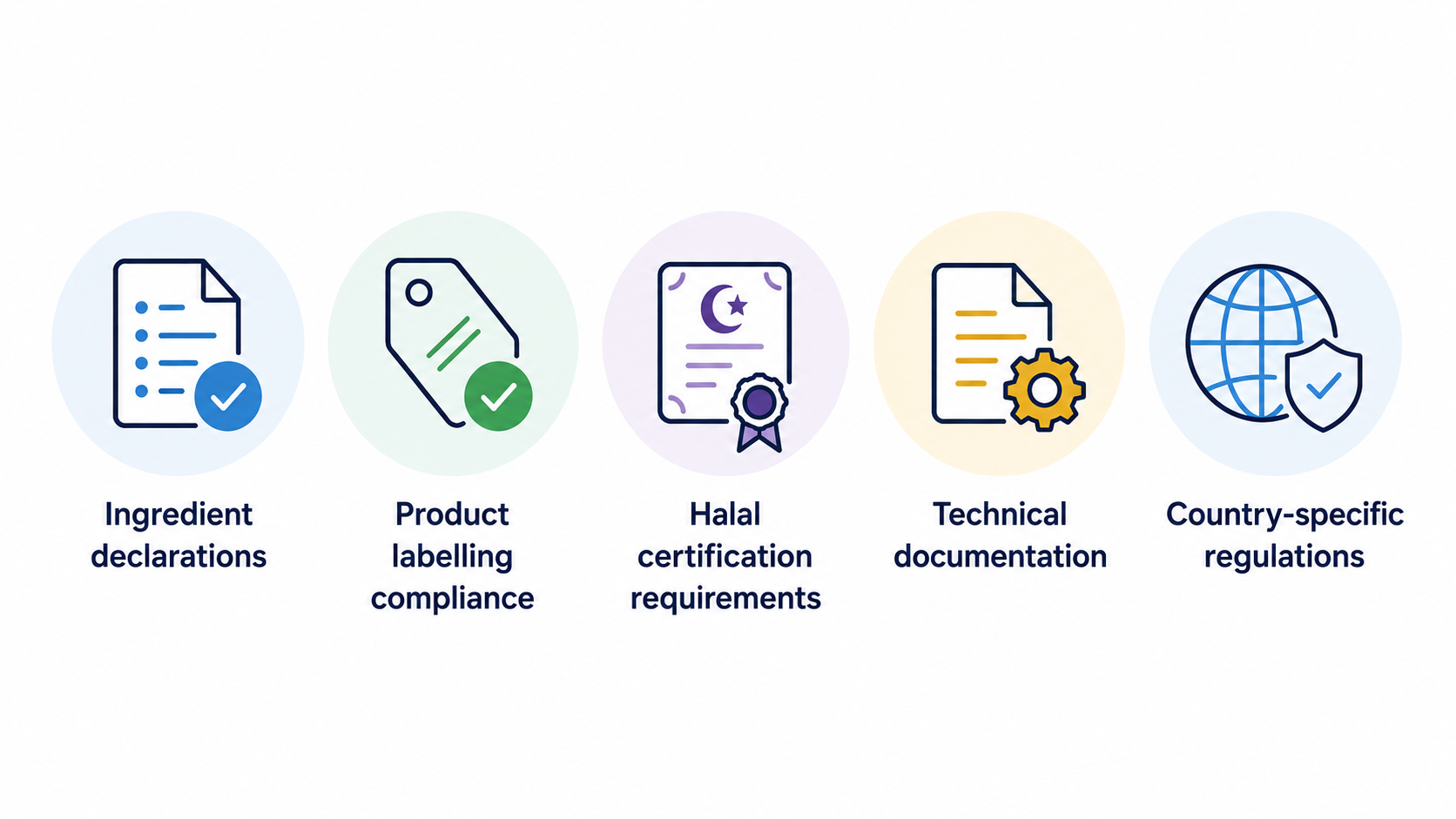
Regulatory requirements continue to evolve across different markets, creating additional complexity for manufacturers seeking to expand their business. Compliance often extends beyond ingredient approval and includes product documentation, certification requirements and market-specific regulations.
Without proper regulatory planning, product launches can be delayed, and market entry becomes more challenging.
4.Market Intelligence Drives Better Innovation
Technical excellence alone is no longer enough. Manufacturers must also understand how consumer preferences and market dynamics are evolving to remain competitive. Growing demand for healthier formulations, high-protein products, convenience-driven solutions, premium offerings, and clean-label ingredients, coupled with increasing competitive activity, is reshaping the processed meat landscape.
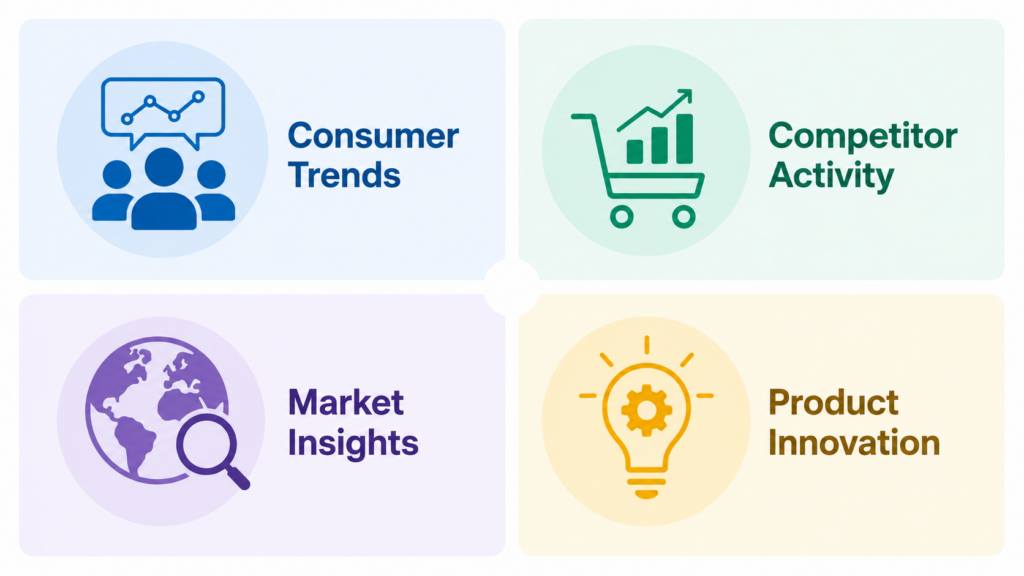
Keeping pace with these market shifts enables manufacturers to identify innovation opportunities earlier and develop products that better align with changing consumer expectations.
Bringing It All Together
These challenges rarely occur independently:
- Improving product texture may affect shelf life.
- Meeting regulatory requirements may require formulation adjustments.
- Responding to new consumer trends often creates additional technical challenges.
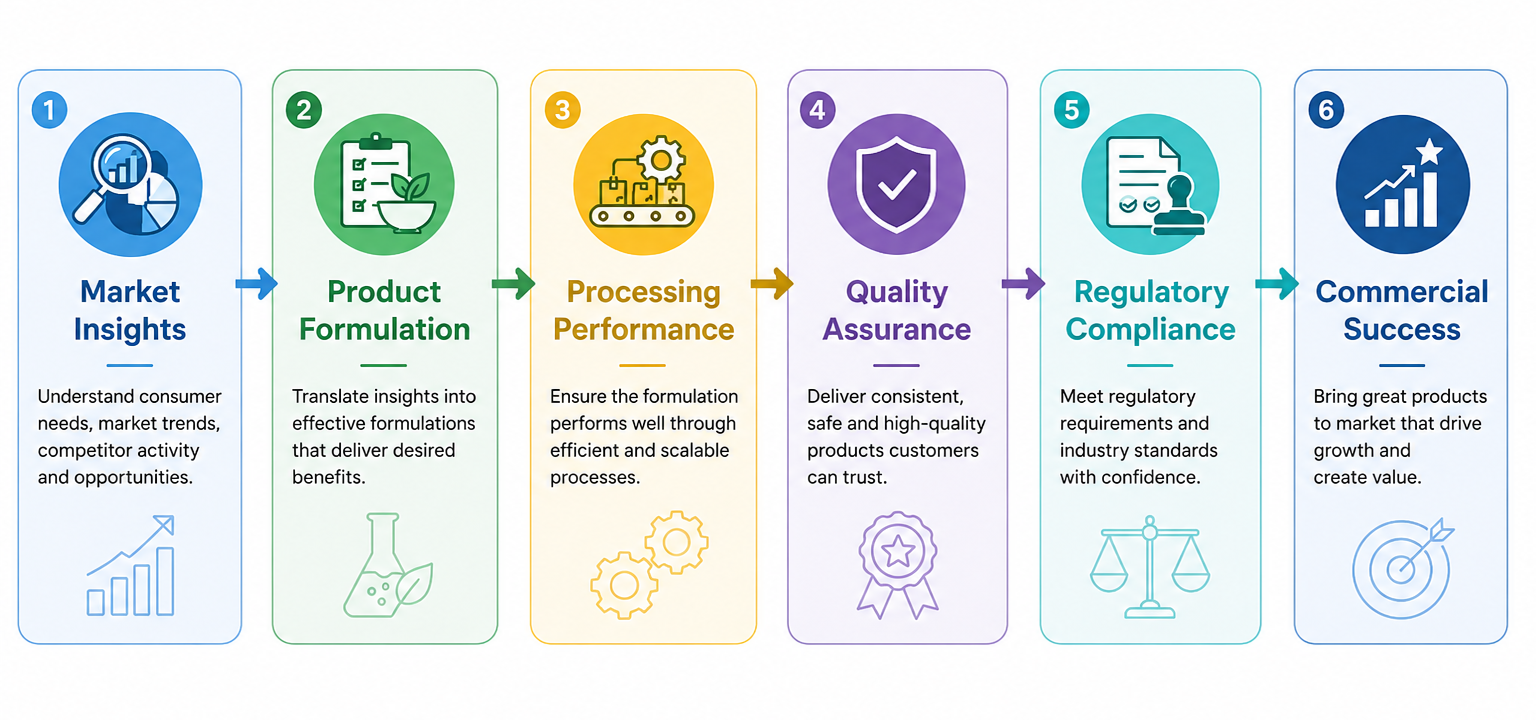
Successful product development therefore requires an integrated approach rather than solving individual problems in isolation.
 How DPO International Supports Processed Meat Manufacturers
At DPO International, we help manufacturers address these interconnected challenges through integrated technical expertise, regulatory guidance and market intelligence.
Future Opportunities in Processed Meat Manufacturing
As processed meat products continue to evolve, manufacturers are expected to deliver products that balance quality, consistency, regulatory compliance and innovation while responding to rapidly changing consumer expectations. Meeting these demands requires more than selecting the right ingredients. It calls for an integrated approach that combines technical expertise, quality assurance, regulatory knowledge, and market intelligence throughout the product development journey.
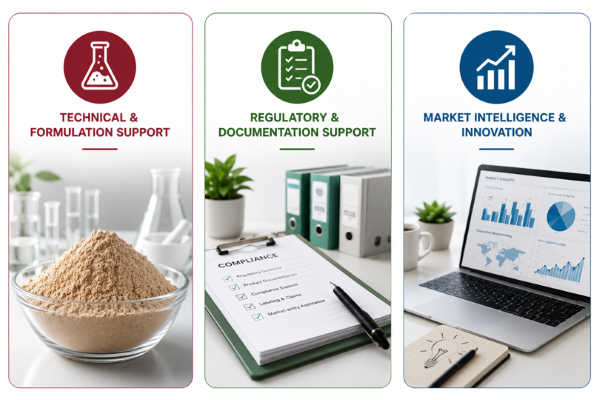
At DPO International, we partner with food manufacturers across Southeast Asia by providing formulation support, product application expertise, regulatory guidance and market intelligence to help transform innovative ideas into commercially successful products. As the processed meat industry continues to evolve, manufacturers that embrace a holistic product development strategy will be better positioned to create differentiated products, accelerate innovation, and achieve long-term growth.
