


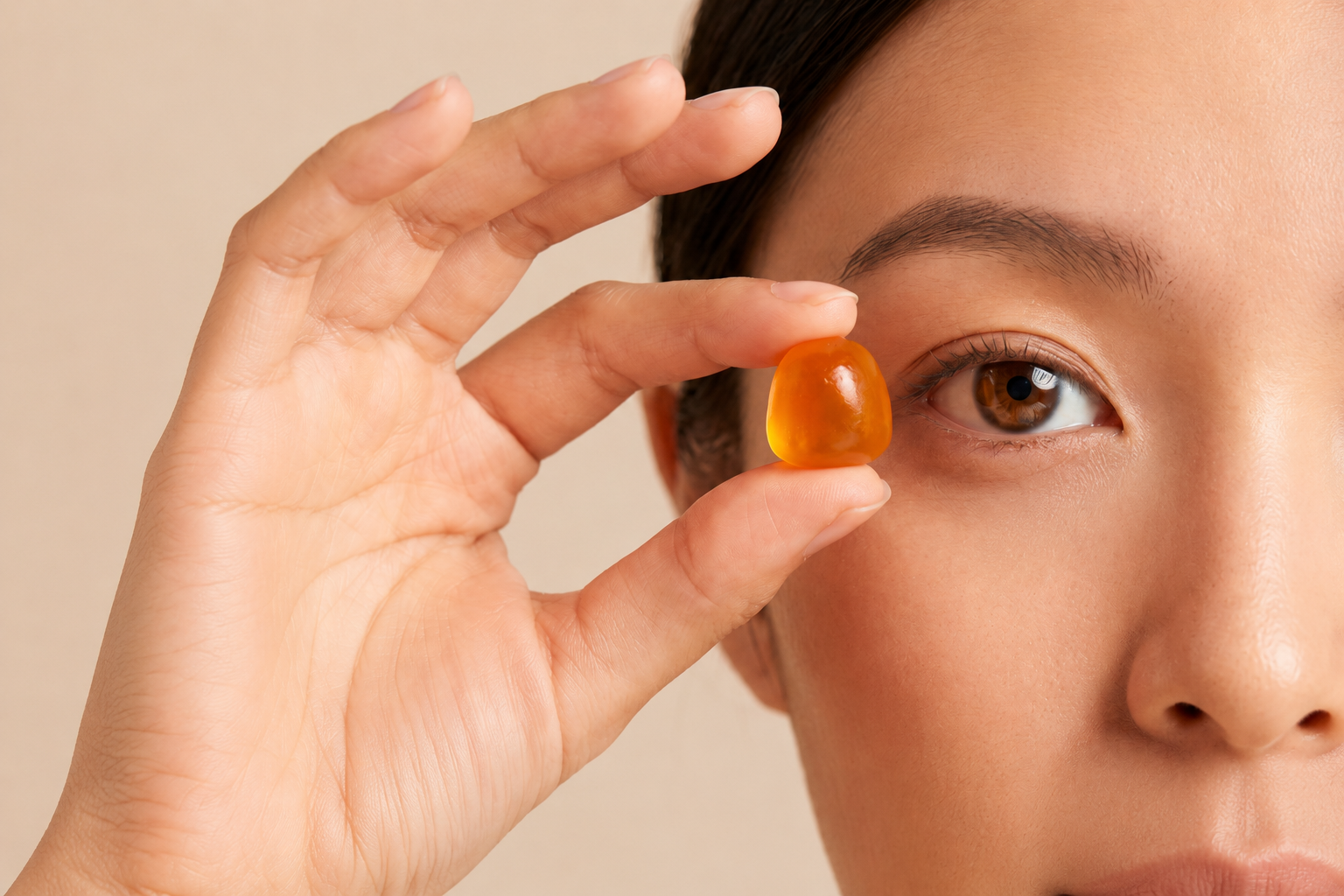
Lutein gummies for eye health are gaining attention as consumers become increasingly concerned about screen exposure, eye strain, and long-term visual wellbeing. As demand grows for convenient functional food products, gummies have emerged as a popular delivery format for ingredients linked to vision support.
Lutein is a naturally occurring carotenoid found in vegetables such as spinach and kale, as well as marigold flowers (Tagetes erecta), which are widely used as a commercial source of lutein extract.¹ Due to its role in protecting the retina against oxidative stress and blue light exposure, lutein is widely associated with eye health and vision maintenance.
However, developing lutein gummies involves more than formulation alone. Manufacturers must also navigate country-specific regulations relating to ingredient use, health claims, and allowable nutrient levels across ASEAN markets.
Why Lutein Is Associated with Eye Health

Lutein is a major component of the macular pigment in the retina. It supports eye health through two key functions:2
- Filtering high-energy blue light
- Providing antioxidant protection against oxidative stress
These functions help protect retinal cells and support normal visual performance. Due to these scientifically established functions, lutein is widely associated with claims related to “eye health” and “vision maintenance”.
However, the ability to communicate these benefits on food products depends heavily on local regulatory requirements.
Why Lutein Gummies Are a Popular Delivery Format
Gummies have become a preferred format for functional ingredients due to their convenience, pleasant taste, and appeal across different age groups.
In gummy applications, lutein is typically added in stabilised forms such as oil suspensions or microencapsulated beadlets to improve dispersion and stability.
Despite its benefits, lutein is highly sensitive to heat, oxygen, and light exposure.³ This makes processing conditions and packaging important considerations during product development. The gummy matrix (typically composed of gelatin or pectin, sugars, and flavourings) must be optimised to prevent degradation and ensure consistent dosing per serving.
Manufacturers must also ensure consistent lutein

