



Low sodium soy sauce is gaining attention as food manufacturers respond to growing concerns about excessive sodium consumption and its impact on cardiovascular health. Sodium is an essential mineral that supports fluid balance, nerve transmission and muscle function. However, excessive intake has been associated with elevated blood pressure, cardiovascular disease, stroke and kidney-related health conditions.
The World Health Organization (WHO) recommends that adults consume less than 2,000 mg of sodium per day, equivalent to approximately 5 g of salt, to reduce the risk of non-communicable diseases.⁸ Despite this recommendation, sodium intake remains considerably higher than recommended in many populations worldwide, particularly in Asian countries where sodium-rich condiments and seasonings are commonly consumed. High sodium intake has also been identified as a major contributor to cardiovascular mortality globally, highlighting the importance of sodium reduction strategies.³˒⁸
Why Low Sodium Soy Sauce Matters for Sodium Reduction
Soy sauce is a widely used seasoning in many Asian cuisines and contributes significantly to dietary sodium intake. Traditionally produced through the fermentation of soybeans, wheat, salt and water, it develops its distinctive umami taste and aroma. Salt plays an important role during fermentation by controlling microbial growth and contributing to the characteristic flavour of the final product. Consequently, conventional soy sauce generally contains substantial amounts of sodium. Regular consumption of foods prepared with high-sodium condiments may contribute to excessive sodium intake and increase the risk of hypertension and cardiovascular diseases.¹˒⁵
In response to these concerns, food manufacturers have developed low sodium soy sauce as an alternative to conventional products. These formulations aim to reduce sodium content while maintaining the sensory properties consumers expect. Various approaches can be used to achieve sodium reduction, including modified fermentation techniques, formulation adjustments and the partial replacement of sodium chloride with alternative salt substitutes. Studies have demonstrated that reduced-salt soy sauce can be produced while maintaining acceptable flavour, quality and consumer acceptability.⁴˒⁷
Low Sodium Soy Sauce and Its Role in Cardiovascular Health
Reducing sodium intake is widely recognised as an effective strategy for lowering blood pressure and reducing cardiovascular disease risk. Scientific evidence has shown that lower sodium intake is associated with reductions in both systolic and diastolic blood pressure, particularly among individuals with hypertension. A systematic review of multiple studies also concluded that reducing sodium intake can provide beneficial effects on cardiovascular health outcomes.¹˒²
Choosing lower-sodium food options, including low sodium soy sauce, may therefore support dietary strategies aimed at improving cardiovascular health. Since soy sauce is frequently used in cooking, food preparation and as a table seasoning, replacing conventional soy sauce with a lower-sodium alternative may contribute to reducing overall sodium consumption without substantially changing existing dietary habits.
These product reformulation initiatives align with global efforts to reduce population sodium intake while maintaining food quality and consumer acceptance. Food manufacturers play an important role through the development of innovative products that make lower-sodium food choices more accessible.⁷˒⁹
Understanding Nutrition Claim Requirements
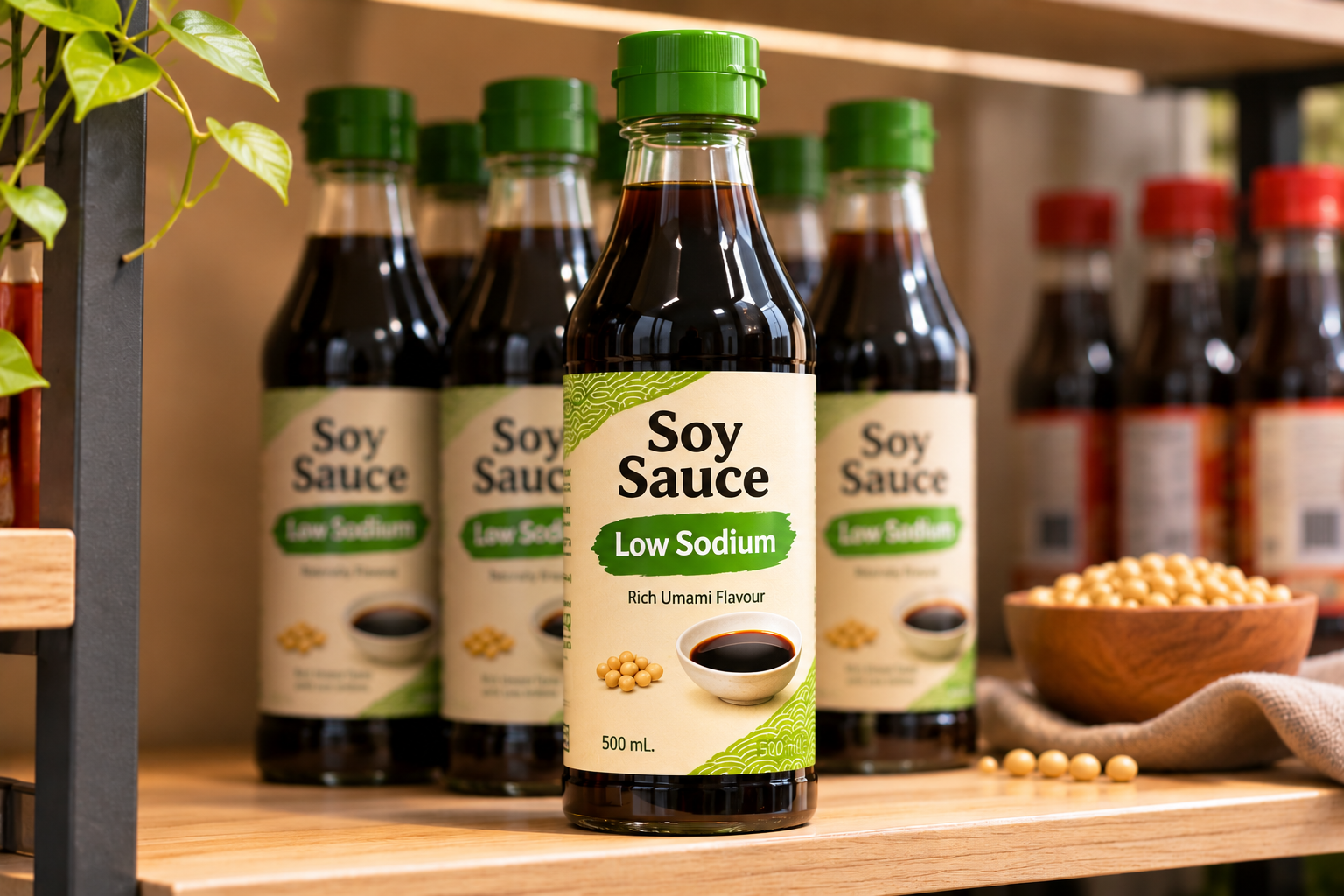
From a regulatory perspective, requirements for sodium-related nutrition claims vary among jurisdictions. Many countries permit claims such as “Low Sodium”, “Very Low Sodium” or “Reduced Sodium”, provided that products meet established regulatory criteria. These may specify maximum sodium levels or minimum reductions in sodium content compared with a reference product.
Manufacturers intending to

