


As plant-based products continue to expand across Asia, understanding vitamin B12 claims for plant-based milk is becoming increasingly important for manufacturers. Since plant-based ingredients do not naturally contain vitamin B12, fortification is widely applied to support product positioning and enable on-pack nutrition claims.
Vitamin B12 is an essential nutrient that contributes to normal red blood cell formation, neurological function, and DNA synthesis. It is naturally present primarily in animal-derived foods and is not synthesised by plants.¹ As a result, vitamin B12 is commonly added to plant-based beverages such as soy, oat, and almond milk to support nutritional composition and claim eligibility.
Evidence indicates that individuals following plant-based diets often have lower vitamin B12 intake compared to recommended levels, highlighting the importance of fortified food sources.² Studies have also reported lower vitamin B12 status among children and adolescents on plant-based diets compared to omnivorous populations.³
The Importance of Vitamin B12 Claims in Plant-Based Milk
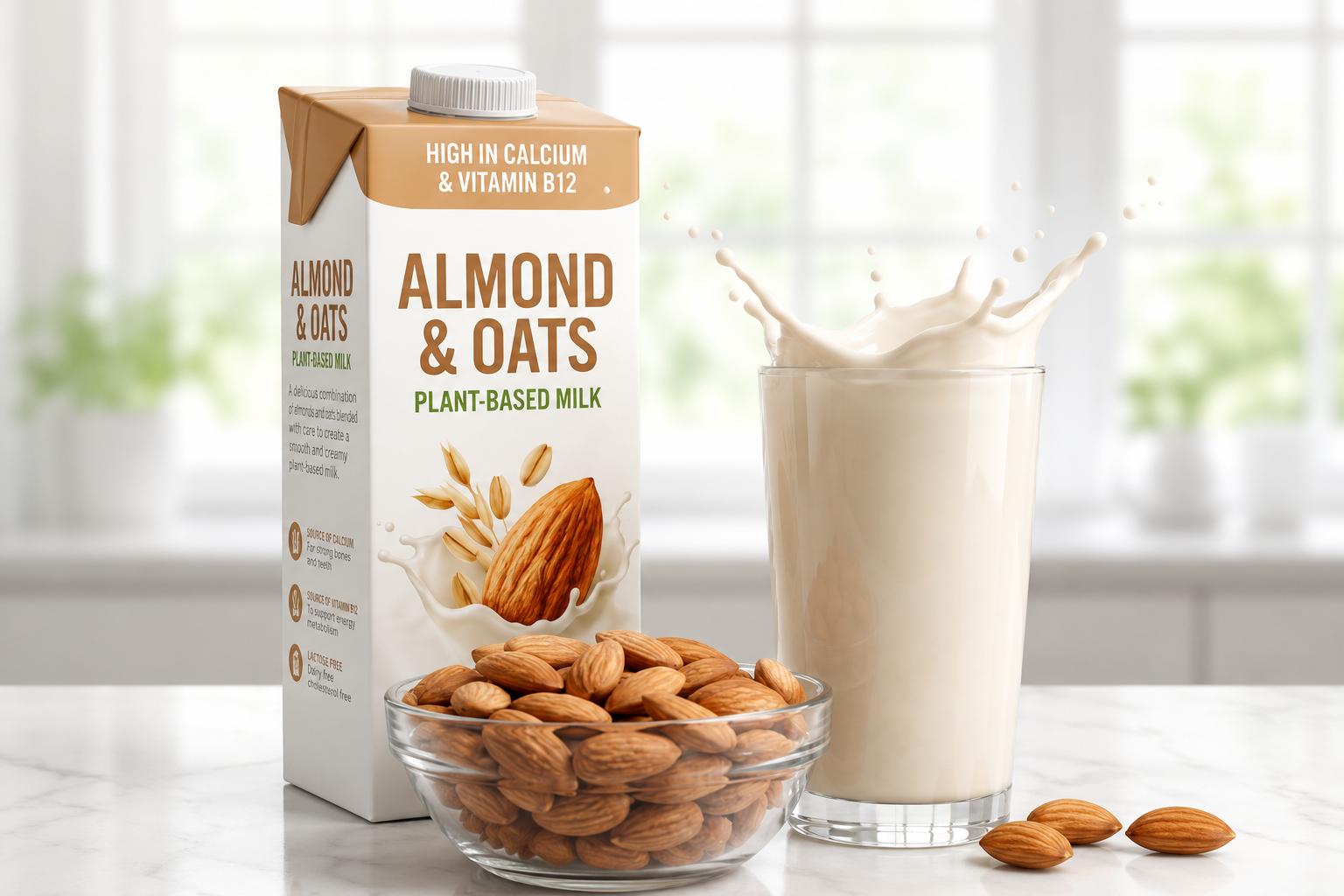
The importance of fortified foods is further supported by population-based evidence, where regular consumption of fortified products and supplements has been associated with maintaining adequate vitamin B12 status among plant-based consumers.⁴ In practice, plant-based milk has emerged as a widely used fortified category, although the extent of fortification varies across products and markets.
From a product development perspective, fortification is not only a nutritional consideration but also a regulatory one. The level of vitamin B12 added directly determines whether a product can qualify for specific claims under different regulatory frameworks, making early alignment between formulation and intended claims essential.
From

