A Practical Guide for Beverage Manufacturers in Asia
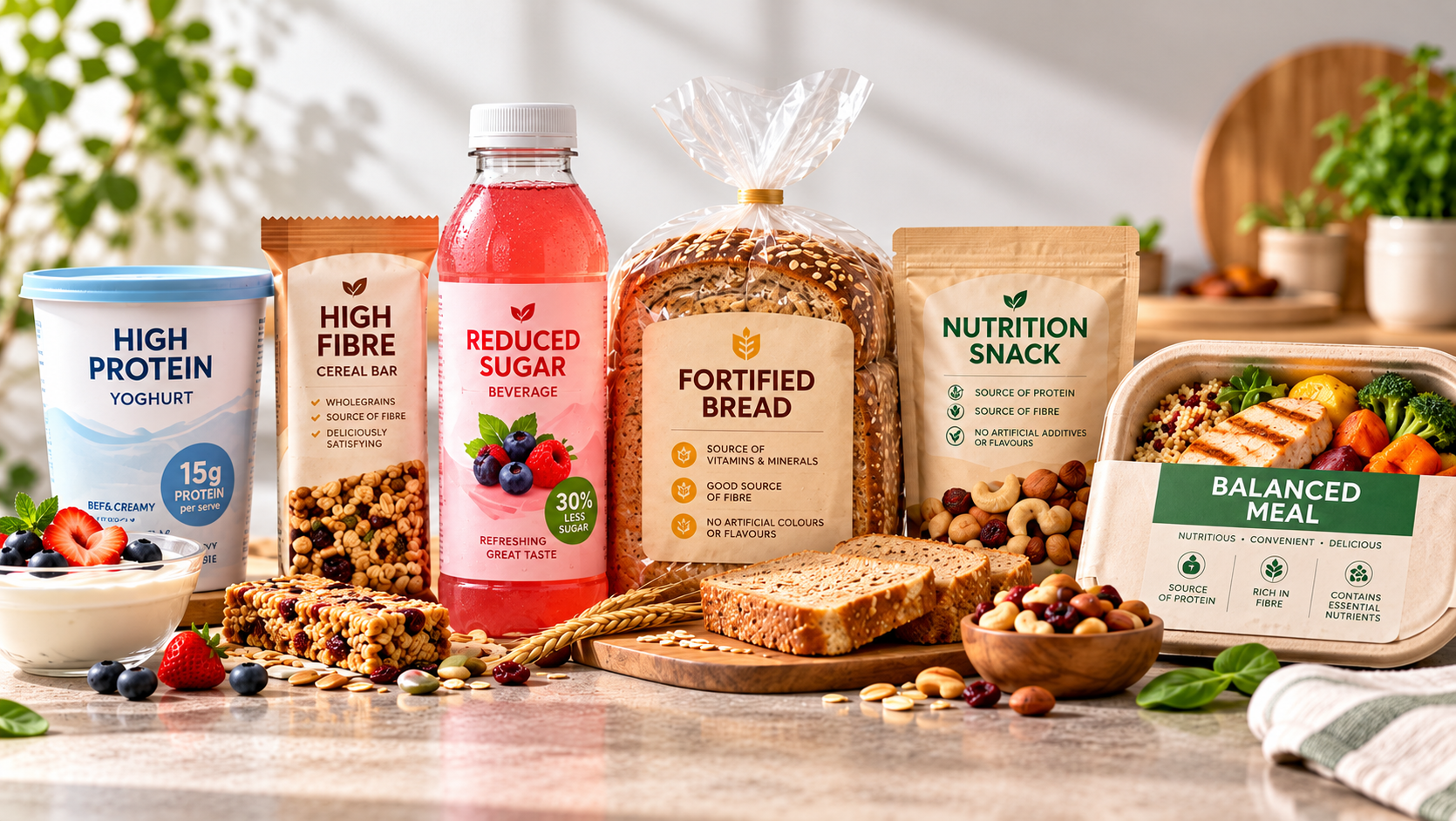
As gut health continues to shape functional beverage innovation, prebiotic drinks have become a fast-growing segment across Asia—from ready-to-drink wellness beverages to powdered mixes and fortified dairy alternatives.
However, not every drink positioned as “prebiotic” delivers meaningful benefits. For manufacturers, the challenge lies in translating scientific requirements into commercially viable, compliant products that perform in real market conditions.
This article outlines what truly defines a prebiotic drink—and what manufacturers should prioritise when developing products for Asian markets.
Prebiotic vs Fibre: Why the Difference Matters
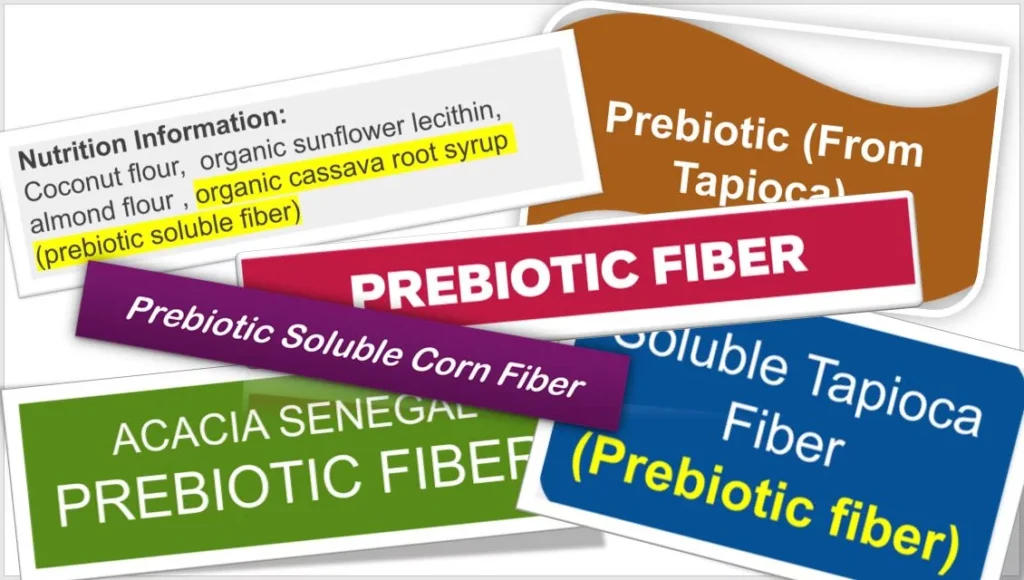
In product development, dietary fibre and prebiotics are often treated as interchangeable. Scientifically, they are not.
A true prebiotic ingredient must:
Resist digestion in the upper gastrointestinal tract
Be selectively fermented by beneficial gut bacteria
Deliver a demonstrated health benefit, supported by human studies
Only a small group of ingredients consistently meets these criteria. Among the most widely researched are chicory root fibre, inulin, and oligofructose (FOS)—ingredients with strong scientific substantiation and regulatory recognition in multiple markets.
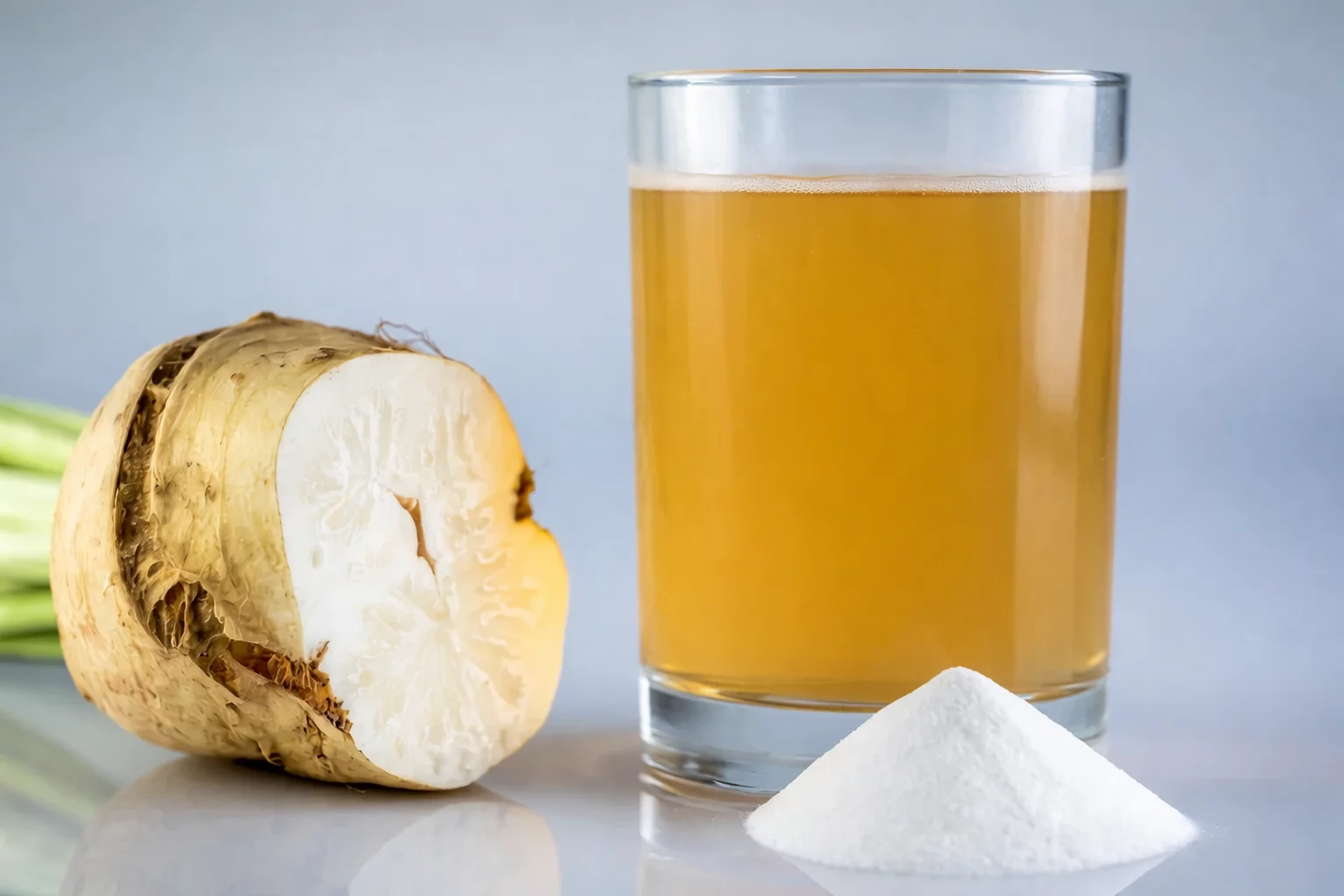
For manufacturers, this distinction is critical. Using general fibre may support texture or fibre claims, but only validated prebiotics enable credible gut-health positioning.
How Prebiotics Deliver Functional Value
True prebiotics act as a food source for beneficial gut bacteria such as bifidobacteria. Through selective fermentation in the colon, they help support a balanced gut microbiota—an area increasingly linked to digestive comfort and overall wellness.
From a formulation perspective, this means:
Benefits are ingredient-specific, not generic
Performance depends on functionality after processing
Claims must align with scientific outcomes, not trend language
This is especially important in Asia, where consumers are becoming more discerning and regulatory scrutiny around functional claims continues to tighten.

How To Spot A True Prebiotic
With “prebiotic” appearing on more and more food and drink labels, it’s worth taking a closer look at what’s behind the claim. A true prebiotic isn’t defined by marketing language, but by scientific criteria. Three questions help separate fact from fiction:
1. Is the ingredient a recognised prebiotic?
Not all fibres are prebiotics. A true prebiotic must be selectively used by beneficial gut bacteria and deliver a proven health benefit in humans, as defined by the International Scientific Association for Probiotics and Prebiotics (ISAPP). The list of proven prebiotics include chicory root fibre (inulin and oligofructose).
2. Is the amount sufficient to have an effect?
Prebiotic effects are intake-dependent. Without a meaningful daily intake, even well-studied fibres will not deliver the selective fermentation that defines a prebiotic effect. Already 3g/day of chicory root fibre is sufficient.
3. Does the product format support the claim?
Processing conditions, storage and product format matter. Not every food or beverage positioned as “prebiotic” is equally suited to preserving fibre functionality until consumption.
Looking beyond the headline claim helps consumers make informed choices, and encourages brands to build credibility through transparency and evidence.
Source: BENEO
Key Considerations for Manufacturers in Asia / SEA
When developing prebiotic beverages for Asian markets, manufacturers should prioritise:
Scientifically validated ingredients with global and regional acceptance
Regulatory-ready positioning, aligned with local claim frameworks
Processing stability, especially for RTD and heat-treated formats
Consumer comfort, as digestive tolerance influences repeat purchase
Success in this category requires more than following global trends—it demands local market understanding, technical expertise, and end-to-end support.
From Concept to Market-Ready Product
As the functional beverage space becomes more competitive, credibility is no longer optional. Products that are built on science-backed ingredients, effective dosages, and responsible claims are better positioned to earn long-term consumer trust.
For manufacturers, working with partners who understand both the science and the market realities in Asia can significantly shorten development timelines and reduce risk—turning prebiotic concepts into scalable, compliant, and commercially successful products.
Want more practical applications for prebiotics and inspirations for product concepts? Check out our other related article here!
This article is adapted from “Sippable wellness: What makes a ‘prebiotic drink’ actually prebiotic?” by BENEO.