


Food security is a global challenge that no country can address in isolation. For Malaysia, geopolitical uncertainties, climate change and supply chain disruptions have reinforced the need for a more resilient food system, as reflected in the launch of the National Food Security Policy 2030 in January 2026. Building a more resilient food future, however, requires more than policies alone. It calls for greater collaboration across industries, countries and the entire food supply chain.
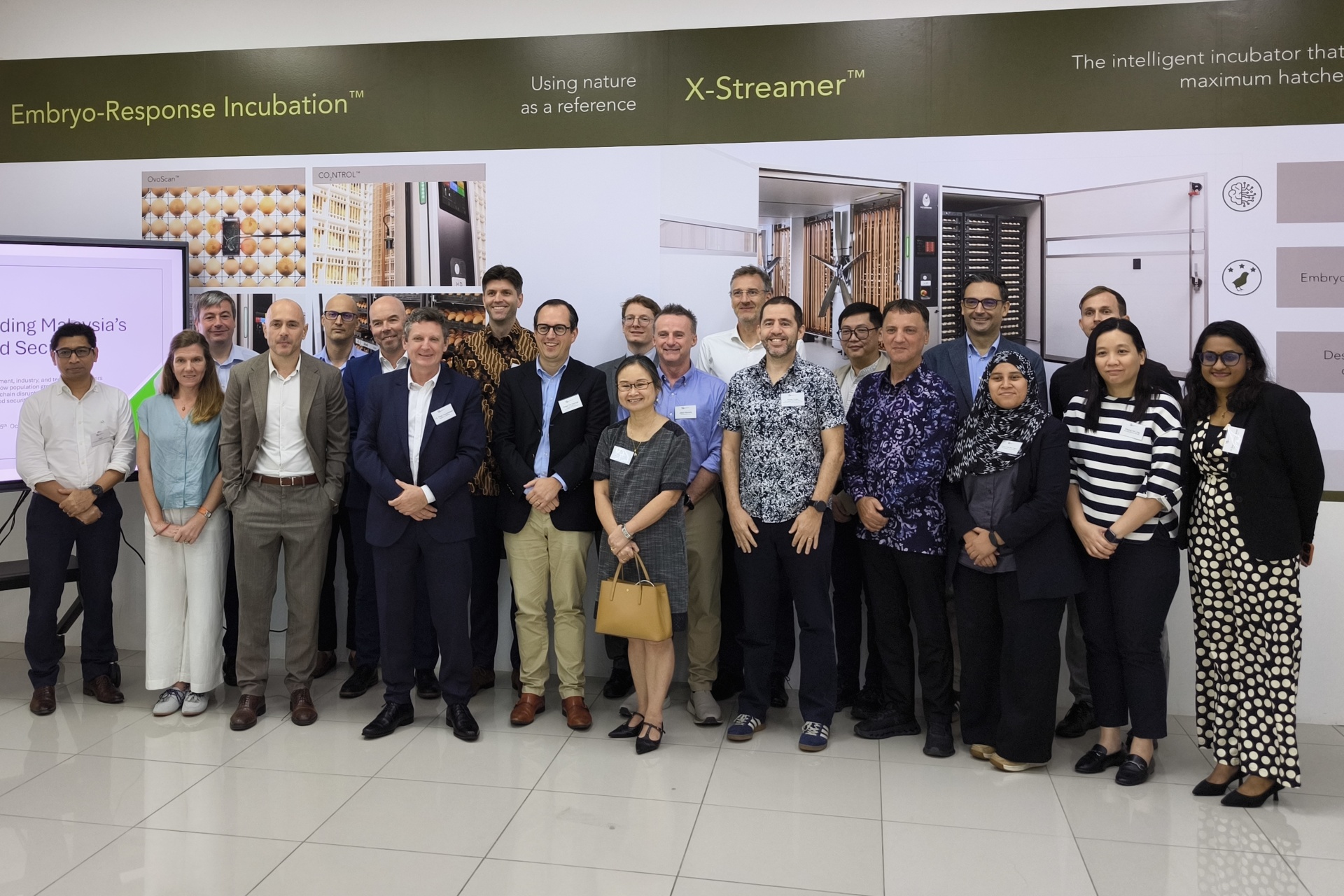
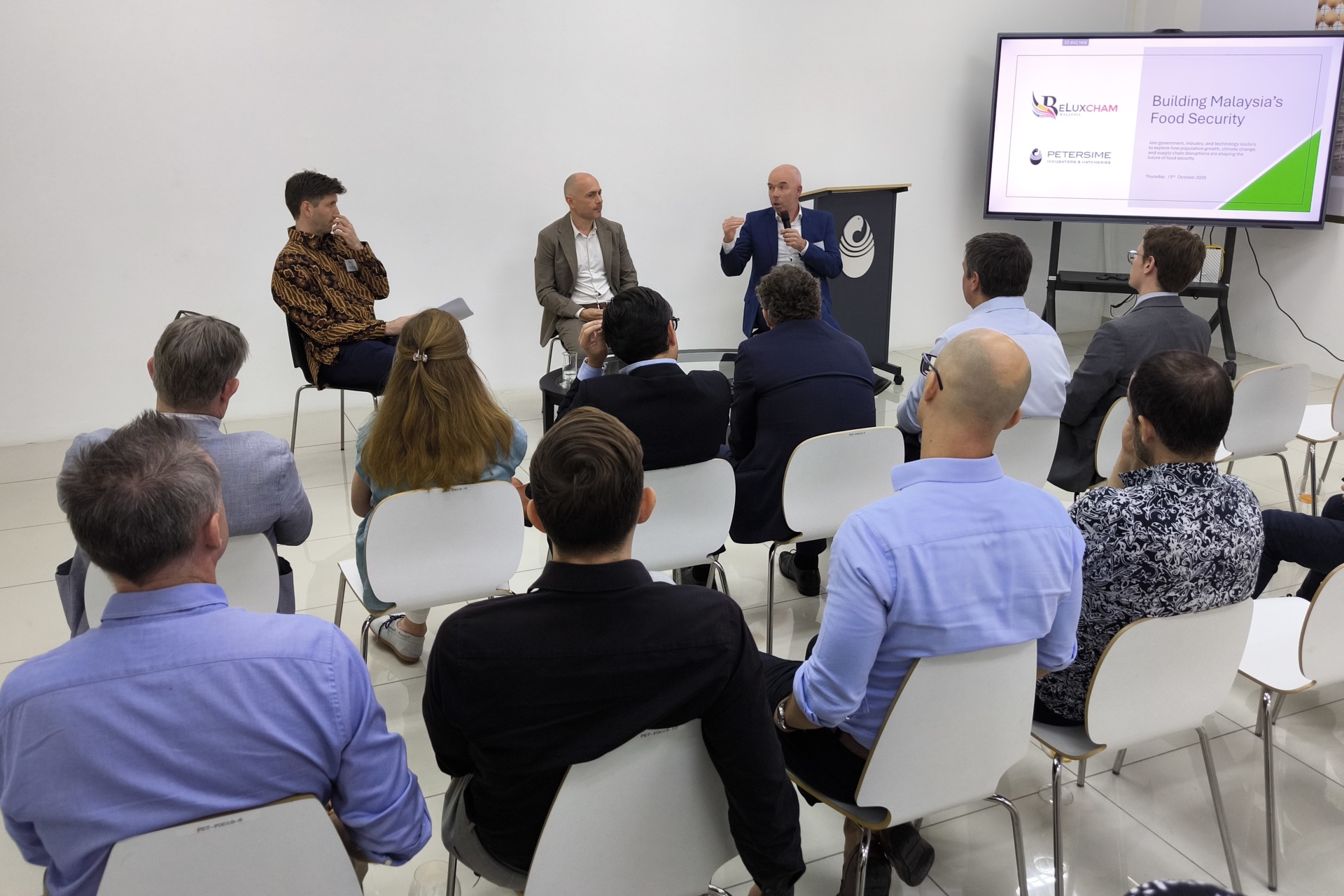
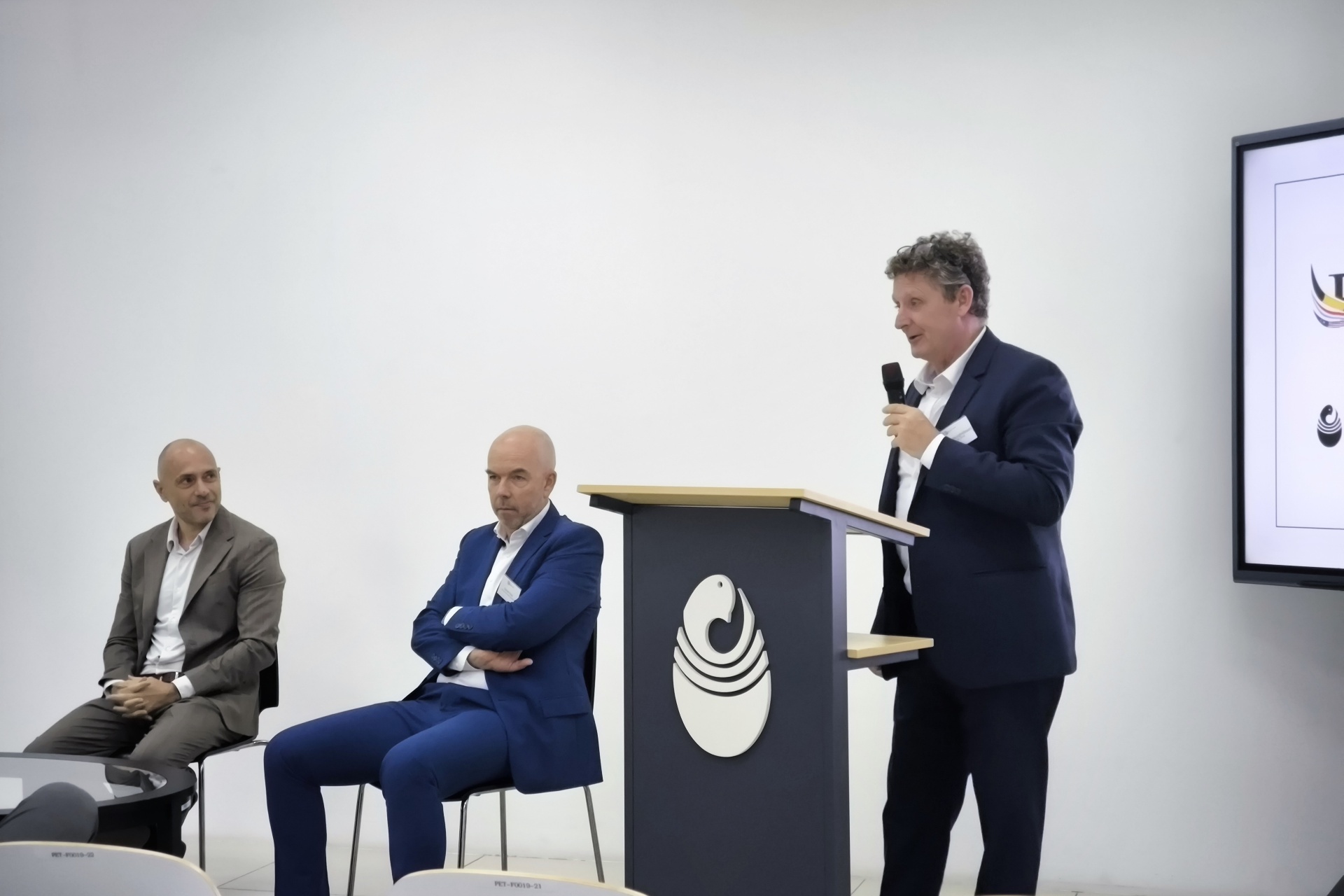
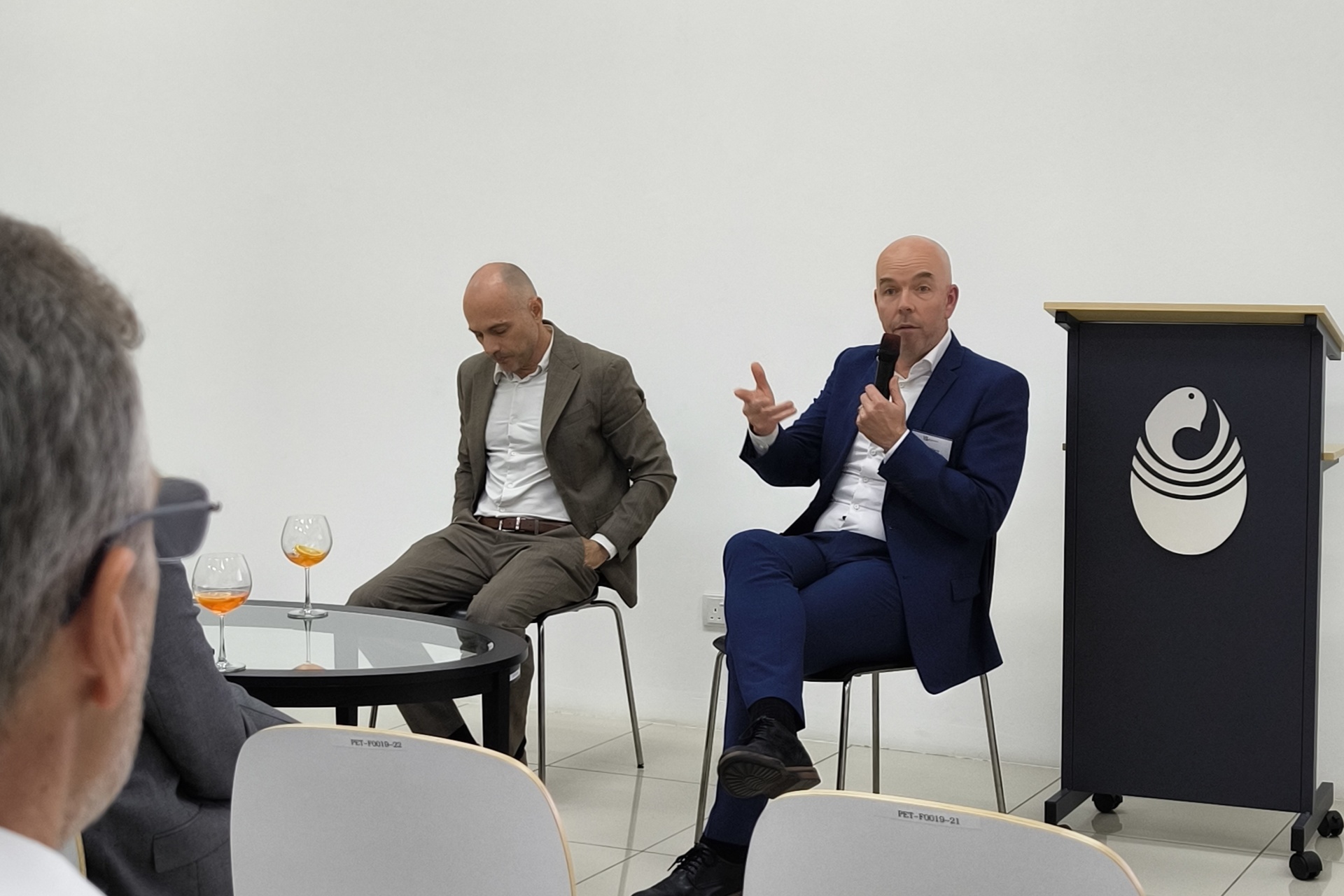
On 15 October 2026, our Group CEO, Daniel Pans, was invited as a panel speaker at “Building Malaysia’s Food Security”, a dialogue organised by BeLuxCham Malaysia and hosted by Petersime Southeast Asia. The event presented a valuable opportunity for DPO International to share our industry experience, exchange perspectives with fellow industry leaders and contribute to discussions on building a more resilient and sustainable food ecosystem in Malaysia.
The panel discussion also featured David Albaiceta, Director, Southeast Asia at Petersime, and was moderated by Jaap ten Have, Managing Partner of Nomilk2day International. The event was also graced by H.E. Mr. Peter Huyghebaert, Ambassador of Belgium to Malaysia.
Food Security Challenges and Supply Chain Resilience
The discussion explored several important aspects of food security, including the impact of geopolitical developments, supply chain vulnerabilities, agricultural technology, regulatory challenges and international trade partnerships.
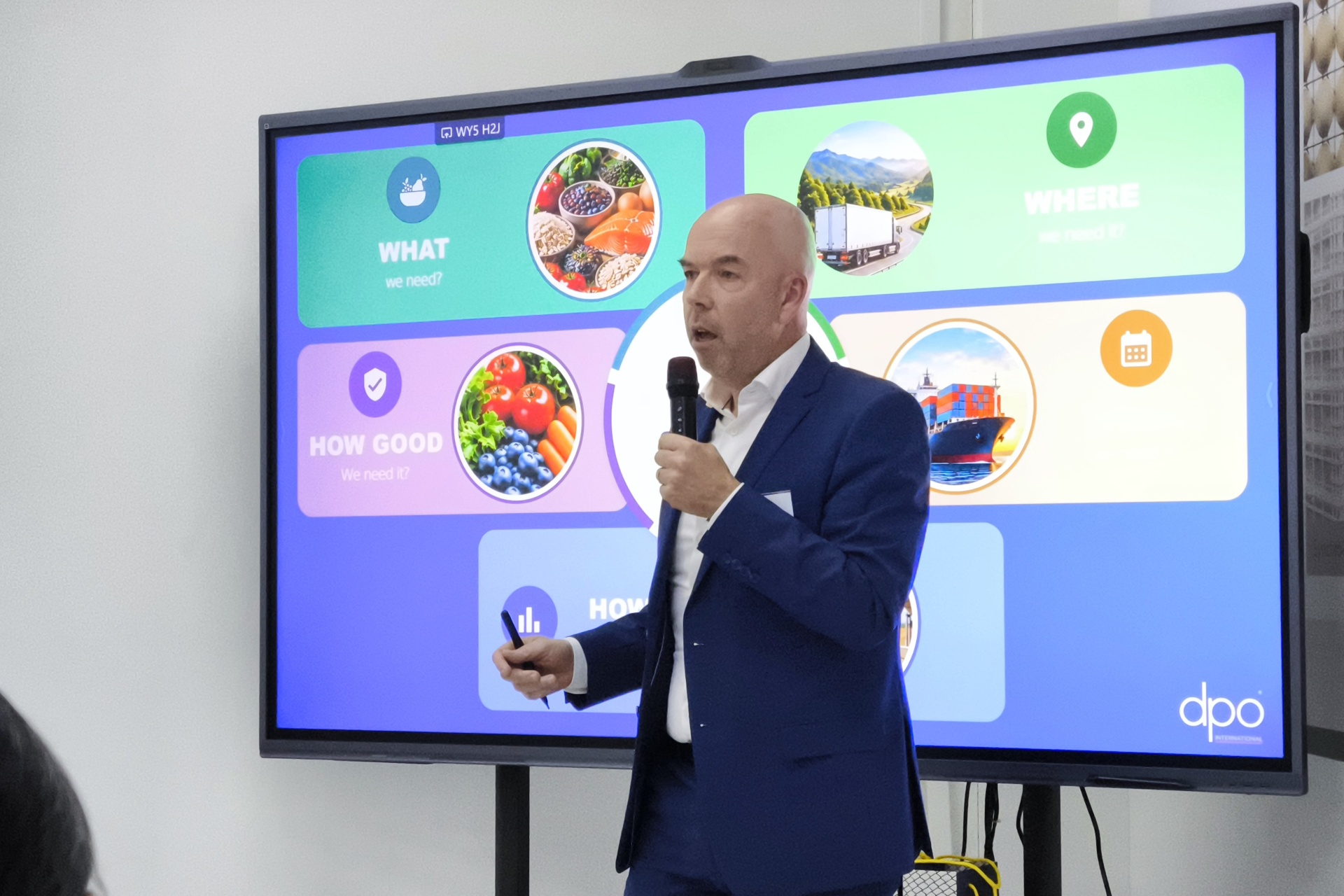
Drawing on DPO’s extensive experience in food distribution and supply chain management, Daniel highlighted that food security goes beyond ensuring sufficient food production and supply. Equally important is the ability to deliver food where it is needed, when it is needed, in the right quantities and in good condition.
He also emphasised how supply chain inefficiencies, fragmented regulations and unnecessary stockpiling can contribute to higher costs and food wastage. Better information sharing, coordinated planning and greater regulatory alignment between countries can help address these challenges and improve the movement of food across borders.
The dialogue also highlighted Malaysia’s progress in areas such as poultry production, while recognising opportunities for greater technology adoption, improved infrastructure and international cooperation to strengthen the country’s broader food security.
For DPO International, contributing to discussions such as these is part of our commitment to corporate social responsibility through knowledge sharing and industry engagement. As a company operating across the food value chain, we recognise that our responsibility extends beyond facilitating the movement of food products. It also includes sharing our expertise and contributing towards addressing challenges that affect businesses, communities and the wider food ecosystem.
Collaboration for a More Resilient Food Future
We believe that meaningful progress in food security requires collective action. By encouraging open dialogue and closer cooperation among industry stakeholders, we can contribute towards building a food system that is more efficient, resilient and sustainable for future generations.
DPO International extends our appreciation to BeLuxCham Malaysia for organising this meaningful dialogue and Petersime Southeast Asia for hosting the event and providing a platform for valuable exchanges on an issue that matters to us all.
