


Vitamin D is essential for musculoskeletal health and supports multiple physiological functions, including bone structure, cell growth, inflammation regulation, and neuromuscular and immune function¹. It acts as a steroid hormone and is primarily synthesised through sun exposure, with additional contributions from diet and supplements².
However, modern lifestyles have reduced children’s outdoor activity, and the widespread use of sun-protective products may further limit vitamin D synthesis in the skin³, contributing to ongoing deficiency concerns linked to rickets, impaired bone growth, and weakened immune function⁴.
When adequate sun exposure is limited, dietary sources become increasingly important. Natural sources of vitamin D include egg yolk, fatty fish, fish oils, and beef liver, yet these foods are not consistently consumed, particularly by children. Busy school routines and limited meal preparation time often lead to nutritionally imbalanced breakfasts, increasing the risk of micronutrient shortfalls during critical growth periods.
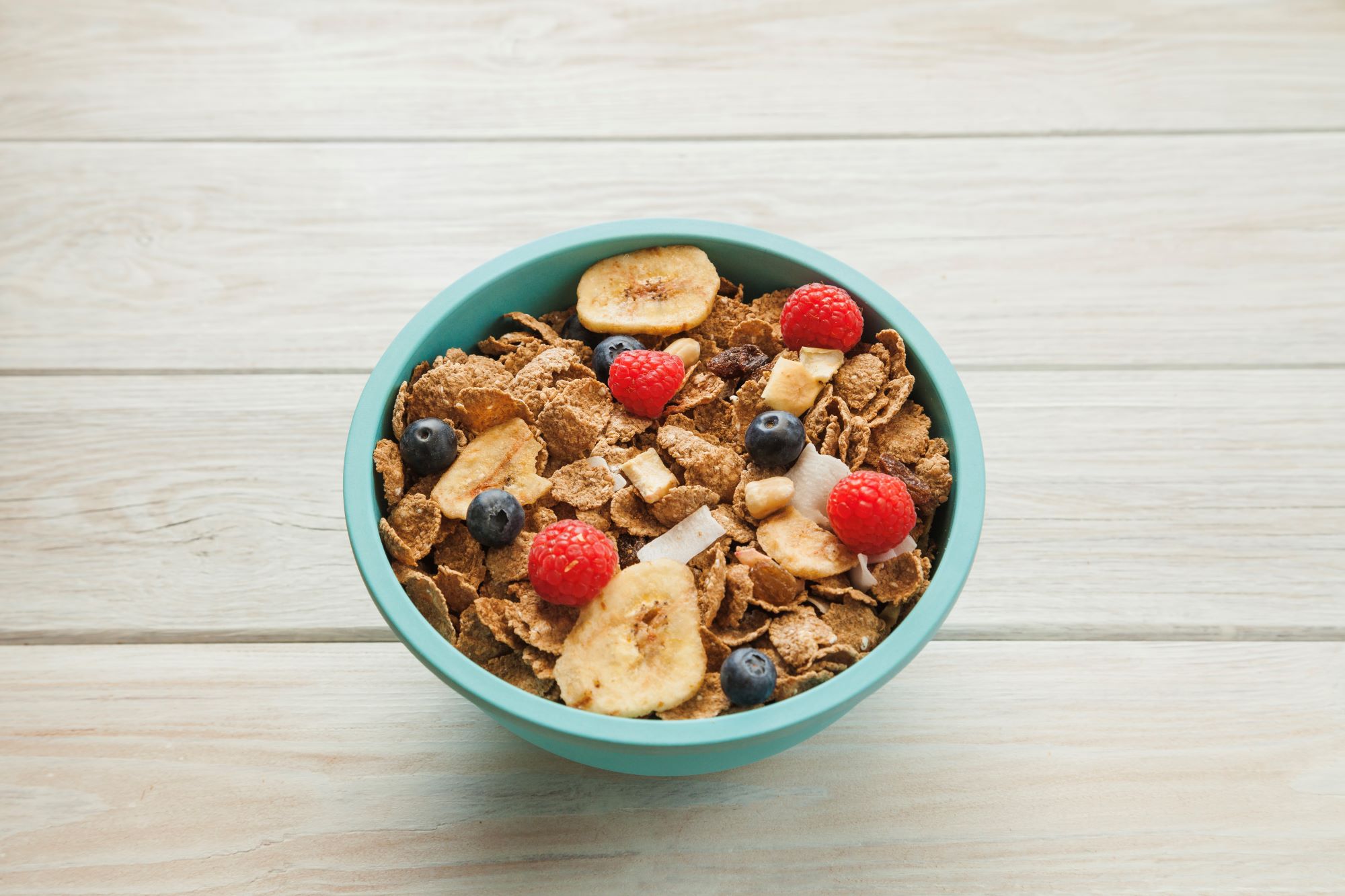
In this context, ready-to-eat breakfast cereals offer a practical solution. When fortified with vitamin D, they provide a convenient way to support daily intake while fitting easily into existing eating habits.
From a regulatory perspective, vitamin D fortification in breakfast cereals is generally permitted. However, manufacturers making

