


Iodine is an essential mineral that supports metabolism, growth, and brain development. It is a key component of thyroid hormones, which are vital for the proper functioning of the liver, kidneys, muscles, brain, and central nervous system.¹ Severe Iodine Deficiency Disorders (IDD) can lead to serious health issues, including impaired brain development, learning difficulties, and reduced IQ in children.²
Iodine occurs naturally in soil, water, plants, and animals.³ However, its levels in food can vary significantly depending on geographical conditions, leading to inconsistent dietary intake. To address this, the World Health Organization (WHO) promotes Universal Salt Iodisation (USI), encouraging the fortification of food-grade salt for both human and animal consumption.
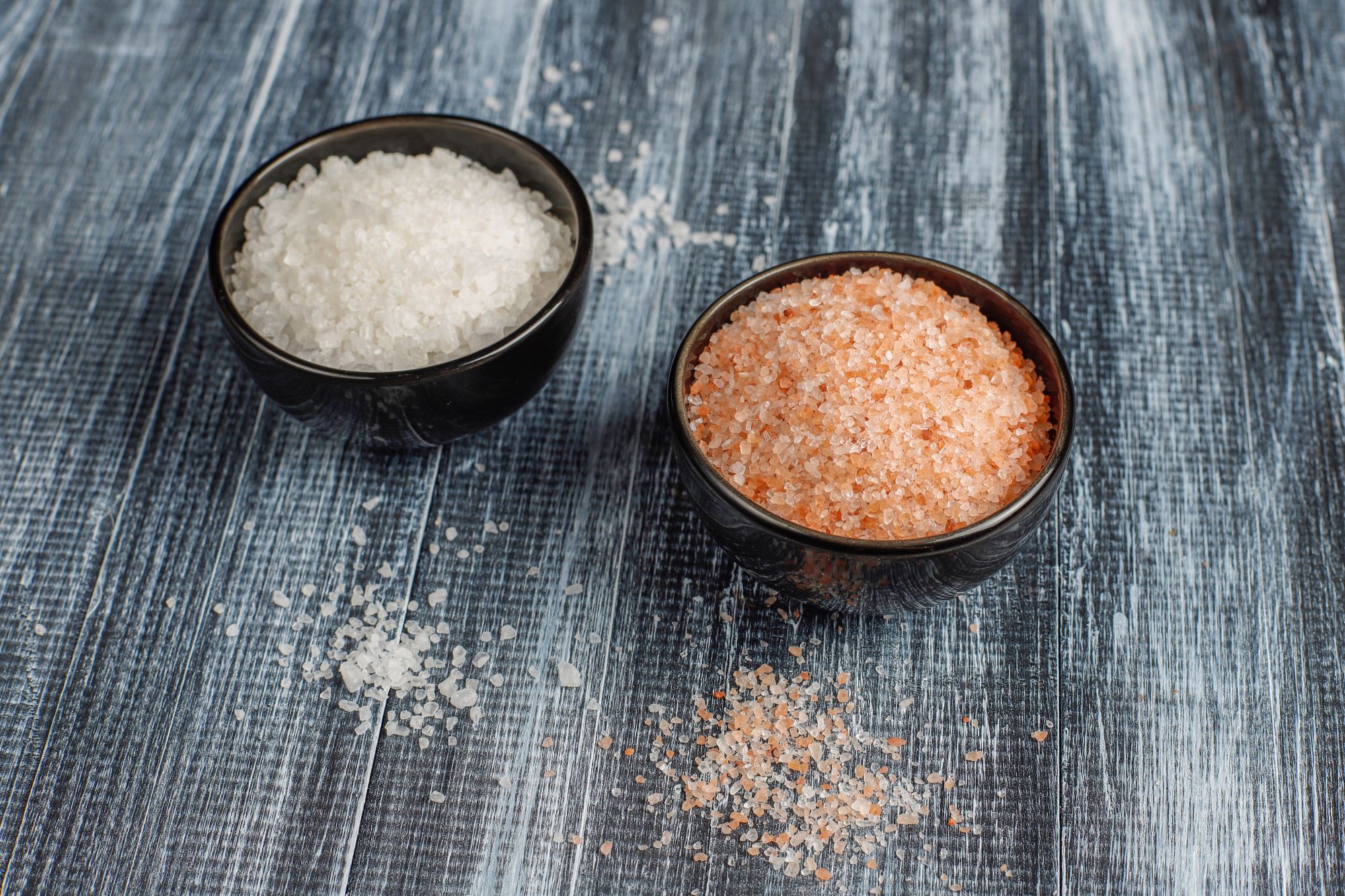
Salt is widely consumed and intake remains relatively consistent. The iodisation process is simple, cost-effective, and does not affect the taste, colour, or odour of salt or foods prepared with it.³,⁴ As such, salt is an ideal vehicle for iodine fortification.
As iodised salt is commonly used in food products, it can contribute to daily iodine intake. Products meeting the required levels may highlight iodine’s role in supporting normal thyroid function.

