
The rise of GLP-1 is reshaping how consumers think about eating, appetite, and daily nutrition. While GLP-1 medications have accelerated conversations around weight management, they have also changed expectations for food. Consumers are increasingly looking for products that provide satiety, balanced nutrition, and sustained energy, whether they are using GLP-1 medications or simply pursuing healthier lifestyles.
For food manufacturers, this presents an opportunity to rethink product innovation. Rather than focusing solely on calorie reduction, there is growing demand for foods that deliver greater nutritional value in every serving while maintaining the taste, texture, and eating experience consumers expect.
Let’s take a closer look at how GLP-1 is influencing consumer eating behaviours and what this means for the future of food innovation.
How GLP-1 Is Changing Consumer Expectations
GLP-1, or glucagon-like peptide-1, is a naturally occurring hormone released after eating that plays a role in appetite regulation and blood glucose control. The increasing use of GLP-1 medications has brought greater awareness to these physiological processes, influencing how consumers approach everyday eating habits and food choices.
As portion sizes become smaller, nutritional quality becomes even more important. Consumers increasingly expect foods that provide satiety, sustained energy, and meaningful nutrition without compromising convenience or enjoyment.
Designing Foods for the GLP-1 Era
GLP-1 has reinforced an important principle in product development: smaller appetites do not mean smaller nutritional needs.
Whether consumers are managing their weight with GLP-1 medications or through lifestyle choices, they continue to require adequate fibre, protein, vitamins, minerals, and sustained energy throughout the day.
This is encouraging manufacturers to rethink product formulations, focusing on nutrient-dense ingredients that can support satiety, balanced nutrition, and enjoyable eating experiences within smaller portion sizes.
Key Ingredients Supporting Smarter Nutrition
Meeting these evolving nutritional expectations starts with selecting the right functional ingredients. BENEO’s portfolio offers ingredient solutions that help manufacturers develop products supporting satiety, balanced nutrition, sustained energy, and overall wellbeing.
- Prebiotic Chicory Root Fibres
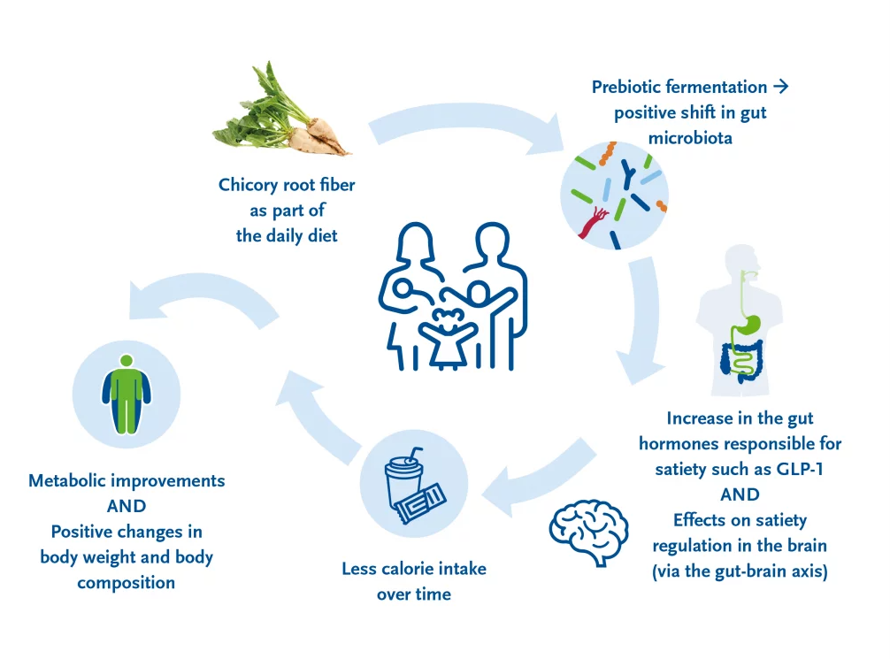
Help increase fibre intake while supporting digestive health. Research has also shown that chicory root prebiotic fibres can support the release of gut hormones such as GLP-1 and PYY, contributing to satiety and balanced nutrition. They also support calcium absorption, which contributes to bone health.
- Palatinose™ (Isomaltulose)
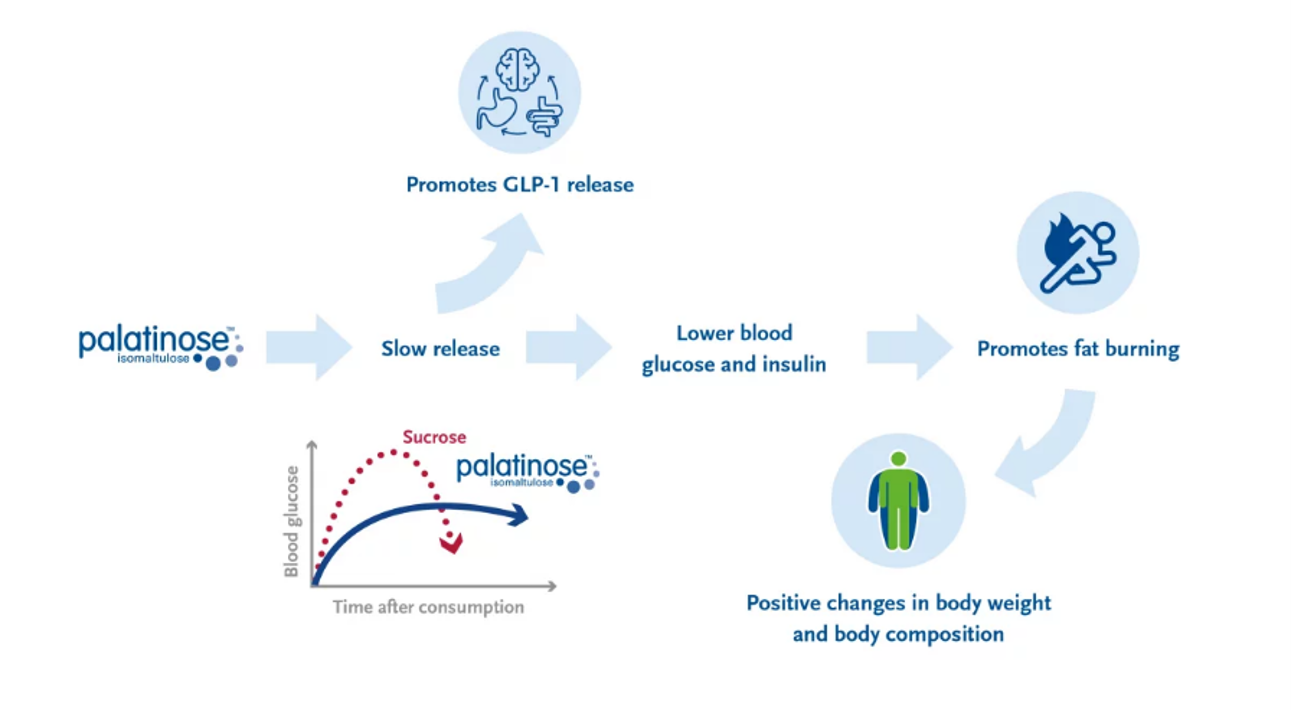
A naturally sourced slow-release carbohydrate that provides a more balanced release of energy while supporting a lower blood glucose response compared to rapidly digested carbohydrates. Studies also suggest it supports the release of beneficial gut hormones associated with satiety.
Plant-Based Proteins – Rice & Faba Beans Ingredients
Plant-based proteins such as rice and faba bean ingredients help support protein intake and muscle maintenance, particularly when overall calorie intake is reduced. Together, they complement each other to provide a more balanced amino acid profile while supporting sensory and formulation goals across a wide range of food applications.
Rather than relying on a single ingredient, manufacturers can combine these nutritional strategies to develop products that better address evolving consumer expectations.
Opportunities Across Food Categories
The principles of smarter nutrition can be applied across a wide range of food and beverage categories without fundamentally changing familiar product formats.
Potential applications include:
Ready-to-drink nutrition beverages
Yogurts and fermented dairy products
High-protein snack bars
Better-for-you desserts
Breakfast products
Functional snacks
Looking Beyond the GLP-1 Trend
Although much of today’s conversation focuses on GLP-1 medications, the broader shift extends beyond pharmaceuticals. Consumers are placing greater emphasis on appetite management, balanced nutrition, and nutrient-dense foods, creating long-term opportunities for food innovation.
For manufacturers, this means developing products that deliver more than calories alone. Ingredient strategies that support satiety, digestive health, sustained energy, and higher protein intake can help create products that better align with evolving consumer expectations.
As nutrition trends continue to evolve, innovation will increasingly focus on helping consumers gain more nutritional value from every serving without compromising taste or enjoyment.
While GLP-1 awareness is still in it’s infancy in Southeast Asia, the global food industry is already responding to these evolving consumer priorities. For manufacturers and brands in the region, understanding these shifts presents an opportunity to stay ahead of changing market demands and drive future product innovation.
At DPO International, we work with industry partners such as BENEO® to support product innovation through ingredient solutions that help manufacturers meet evolving nutrition trends and consumer expectations.
Contact us to speak with our experts.
This article is adapted from “Smarter nutrition in the age of GLP-1”, by BENEO.